Achieving crisp, clean edges around your Zoysia grass lawn is crucial for a professional, manicured look. This guide breaks down the best methods and tools to ensure your Zoysia lawn stands out with perfectly defined borders.
You’ve cultivated a beautiful Zoysia grass lawn, a lawn known for its dense, lush growth and beautiful green carpet. Now, you want to take that curb appeal to the next level. What separates a good lawn from a truly great one? Often, it’s the little details, and one of the most impactful details is a clean, sharp edge. Edging your lawn creates a defined boundary, making your grass look meticulously cared for and instantly elevating the overall aesthetic of your property.
For Zoysia grass specifically, achieving those clean lines can sometimes feel like a challenge. Its tenacious growth habit, while a boon for a thick lawn, means it can quickly spread and blur those crisp edges if not managed. But don’t worry! With the right approach and a few handy tools, you can transform your Zoysia lawn into a masterpiece of tidy boundaries. This guide is all about helping you achieve that perfectly manicured look, ensuring your Zoysia grass looks its absolute best.
Let’s dive into the best ways to edge your Zoysia lawn cleanly, from choosing the right tools to mastering the technique.
Key Takeaways
- Understand Zoysia’s Growth Habit: Zoysia grass forms a dense, thick sod that can make edging challenging but also rewarding with a clean finish.
- Choose the Right Tools: Select from manual edgers, string trimmers, or specialized edging tools based on your preference and the lawn’s condition.
- Timing is Key: Edge when the soil is slightly moist but not waterlogged for easier cutting and less stress on the grass.
- Create a Defined Trench: Aim for a consistent, shallow trench (about 1-2 inches deep) to separate the lawn from garden beds or walkways.
- Maintain Regularly: Frequent touch-ups prevent grass from creeping into unwanted areas and keep edges sharp.
- Consider Permanent Edging: For a long-term solution, explore options like brick or stone borders to complement your Zoysia lawn.
Quick Answers to Common Questions
What is the best time of year to edge a Zoysia lawn?
The best time to edge a Zoysia lawn is during its active growing season, typically late spring through summer, when the soil is slightly moist but not waterlogged.
Can I use a string trimmer to edge my Zoysia lawn?
Yes, a string trimmer can be used to edge a Zoysia lawn, but it requires a careful, vertical motion and a sharp line to achieve clean cuts without damaging the grass.
How deep should I make the edge when edging Zoysia grass?
A general depth of 1-2 inches is usually sufficient for a clean edge, but you can go up to 3 inches along hardscapes like driveways for a more defined separation.
Why is it important to keep my edging blades sharp?
Sharp blades cut Zoysia grass cleanly, preventing tearing and browning, which results in a neater appearance and less stress on the grass. Dull blades will tear the grass, making it look ragged and unhealthy.
How often do I need to edge a Zoysia lawn?
During the peak growing season, you may need to edge every 2-4 weeks. The frequency can be reduced in cooler weather or if your Zoysia spreads slower. The goal is to maintain a visible, clean line consistently.
📑 Table of Contents
Understanding Zoysia Grass for Edging Success
Before we grab any tools, it’s helpful to understand what makes Zoysia grass unique and how that impacts edging. Zoysia is a warm-season grass that spreads via both rhizomes (underground stems) and stolons (above-ground runners). This spreading ability is what allows it to form that incredibly dense, weed-resistant turf that homeowners love. However, it also means Zoysia can be quite vigorous and persistent in its growth.
This dense growth means that when you edge, you’re cutting through a thick, established sod. This can be tougher than edging finer grasses. The upside, though, is that a well-edged Zoysia lawn stays that way for longer because the grass is so strong. You’re not just trimming; you’re creating a distinct separation that Zoysia will work to maintain once established. Understanding this will help you choose the right tools and methods to tackle it effectively. If you’re looking to grow an even thicker, lusher lawn, understanding how to nurture your Zoysia is key, and that starts with proper maintenance like edging.
Choosing Your Edging Tools
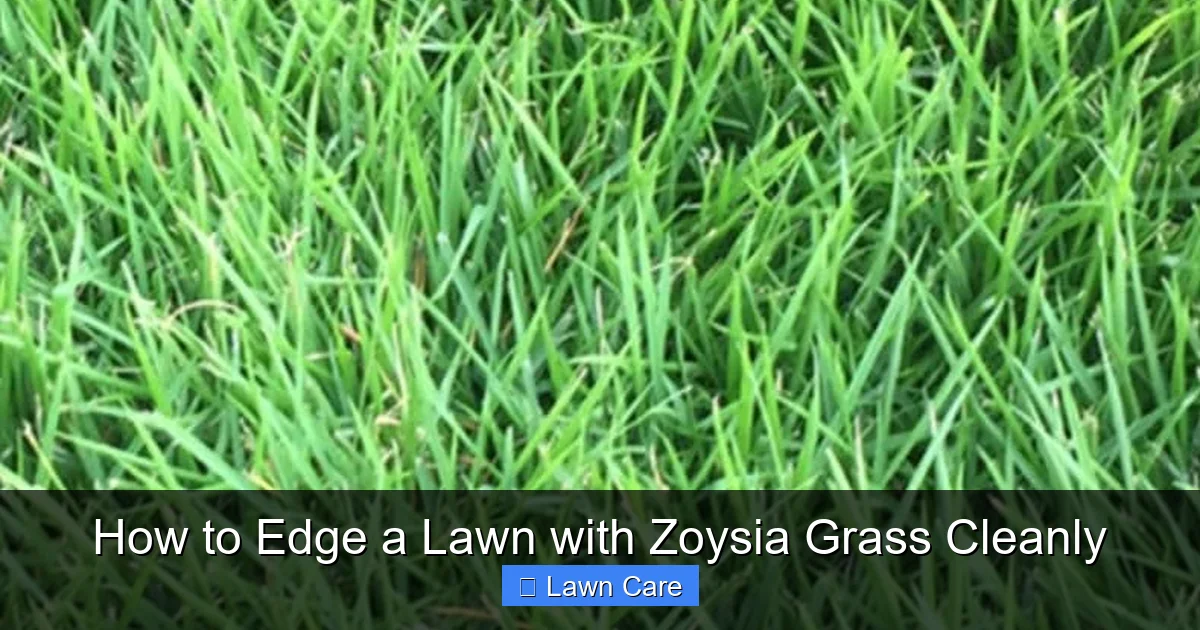
Visual guide about How to Edge a Lawn with Zoysia Grass Cleanly
Image source: grosmart.com
The market offers a variety of tools for edging, each with its pros and cons. For a Zoysia lawn, you’ll want tools that are robust enough to handle its density but precise enough for a clean cut.
Manual Edging Tools
* Half-Moon Edger or Spade: This is a classic for a reason. A sharp half-moon edger or a sturdy spade is excellent for creating clean, straight lines, especially along walkways and driveways. You can use it to slice through the sod, removing a thin strip of grass and soil to create a clear border. This method gives you incredible control. If you’re considering this approach, learning how to edge a lawn with a shovel is a great starting point. It requires more physical effort but offers a very satisfyingly sharp edge.
* Edging Shears: These look like large scissors and are perfect for tidying up edges that a larger tool might miss or for trimming grass that has grown over a hard surface. They are ideal for precision work and for getting into tight corners.
Powered Edging Tools
* String Trimmer (Weed Wacker): Many people use a string trimmer for edging, and it can be effective if used correctly. Hold the trimmer vertically, allowing the spinning line to cut a clean groove along the edge. You’ll need to be careful not to dig too deep or “scalp” the lawn. For Zoysia, a more powerful trimmer might be necessary to handle the density. You can find detailed tips on how to edge a lawn with a string trimmer to ensure you get the best results without damaging your grass.
* Dedicated Lawn Edger: These are specialized tools designed specifically for creating clean edges. They come in both electric and gas-powered versions.
* **Electric Edgers:** These are generally lighter and quieter, making them a good choice for smaller to medium-sized lawns. They typically have a spinning blade that cuts a trench.
* **Gas-Powered Edgers:** These are more powerful and suitable for larger lawns or areas with very dense grass. They offer more torque and can cut through tough sod with ease.
* Many homeowners find dedicated edgers to be the most efficient and effective way to achieve professional-looking edges. Learning how to edge a lawn with an edger can save you a lot of time and effort.
Edging Wheels
* Some mowers come with an edging wheel attachment, or you can purchase one separately. This allows you to use your mower to create an edge while you cut. It’s a convenient option if you want to combine tasks, but precision can sometimes be sacrificed compared to a dedicated tool.
**Tip:** For Zoysia, a tool with a sharp, durable blade or cutting line is essential. Dull tools will tear the grass rather than cut it, leading to an untidy appearance and stressing the plant.
When and How to Edge Your Zoysia Lawn
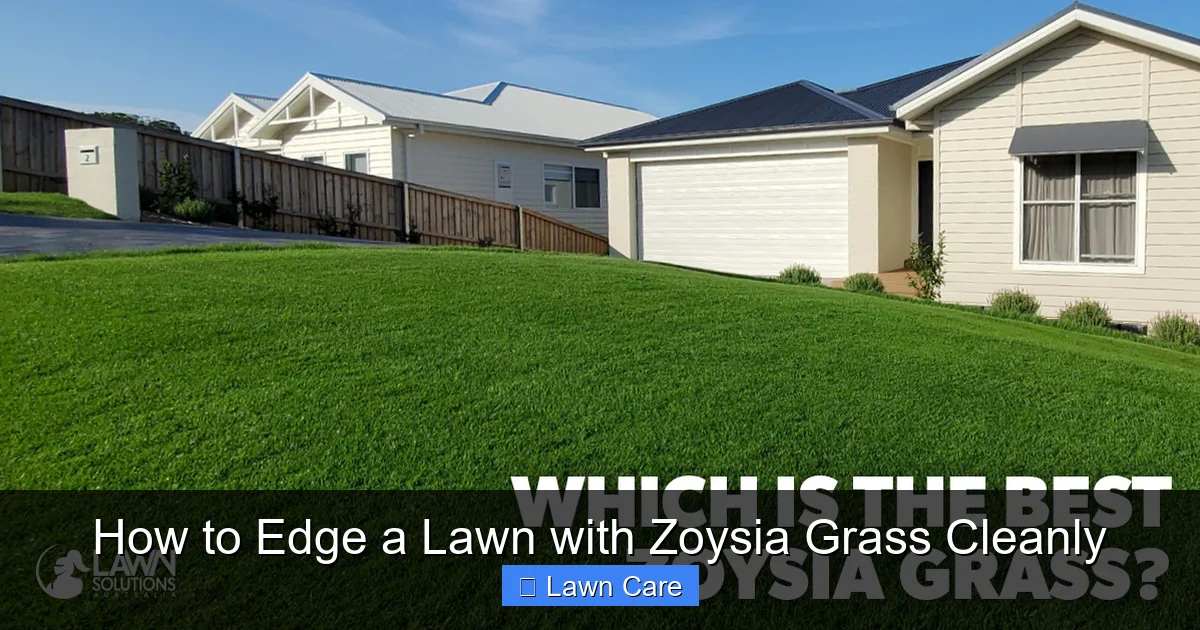
Visual guide about How to Edge a Lawn with Zoysia Grass Cleanly
Image source: lawnsolutionsaustralia.com.au
Timing and technique are crucial for a clean Zoysia lawn edge.
The Best Time to Edge
* **After Mowing:** It’s often best to edge shortly after you’ve mowed. This way, you’re working with relatively short grass, and you can easily see where the lawn meets the edge.
* **Slightly Moist Soil:** The ideal condition for edging is when the soil is slightly moist but not saturated. This makes it easier for your tool to cut through the sod cleanly without excessive effort or creating a muddy mess. Avoid edging when the ground is bone dry, as it will be much harder to cut, and when it’s soaking wet, as the sod might tear.
* **Growing Season:** Edging is most effective during the active growing season for Zoysia, which is typically late spring through summer. This is when the grass is growing vigorously and can recover quickly from the process.
Mastering the Edging Technique
1. **Preparation:** Clear the area of any debris like small stones, twigs, or toys that could damage your tool or be flung by it. If you’re using a string trimmer or powered edger, ensure it’s properly maintained (e.g., sharp line, clean air filter).
2. **Mark Your Line (Optional but Recommended): For a perfectly straight edge, especially along a straight walkway or driveway, you can lay down a garden hose, a string line, or use spray paint to mark your desired edge.
3. **Create the Trench:**
* **Manual Edger/Spade:** Position the tool along your marked line (or freehand if you’re confident). Push down with your foot or body weight to cut a trench approximately 1-2 inches deep. You can then lift out the sod strip. For a cleaner look, remove the sod strip and discard or use it elsewhere.
* **String Trimmer:** Hold the trimmer vertically against the edge. Slowly sweep it back and forth in a controlled motion, allowing the string to cut away the encroaching grass. Start with a shallow cut and make multiple passes if needed to achieve the desired depth and sharpness.
* **Dedicated Edger:** Follow the manufacturer’s instructions. Typically, you’ll guide the spinning blade along the edge, letting the tool do the work. Aim for a consistent depth and angle.
4. **Remove Excess Grass:** After cutting, use a rake or your hands to clear away any grass clippings or loose soil from the edge and the adjacent area. This prevents the clippings from dying and creating an unsightly mess.
5. **Maintain the Edge:** For a truly clean look, you want a distinct, clean separation. This means removing any grass that tries to creep over the edge.
**Practical Example:** Imagine edging along a flower bed. You want a clean line between the grass and the mulch. Use your half-moon edger to slice a neat, shallow furrow where the grass meets the mulch. Then, gently pull back the sod strip that’s encroaching into the bed. This instantly makes the bed look more defined and the lawn neater. If you’re connecting a lawn to a paved patio, a precise edge is even more important to prevent grass from growing onto the hard surface.
Edging Around Different Features
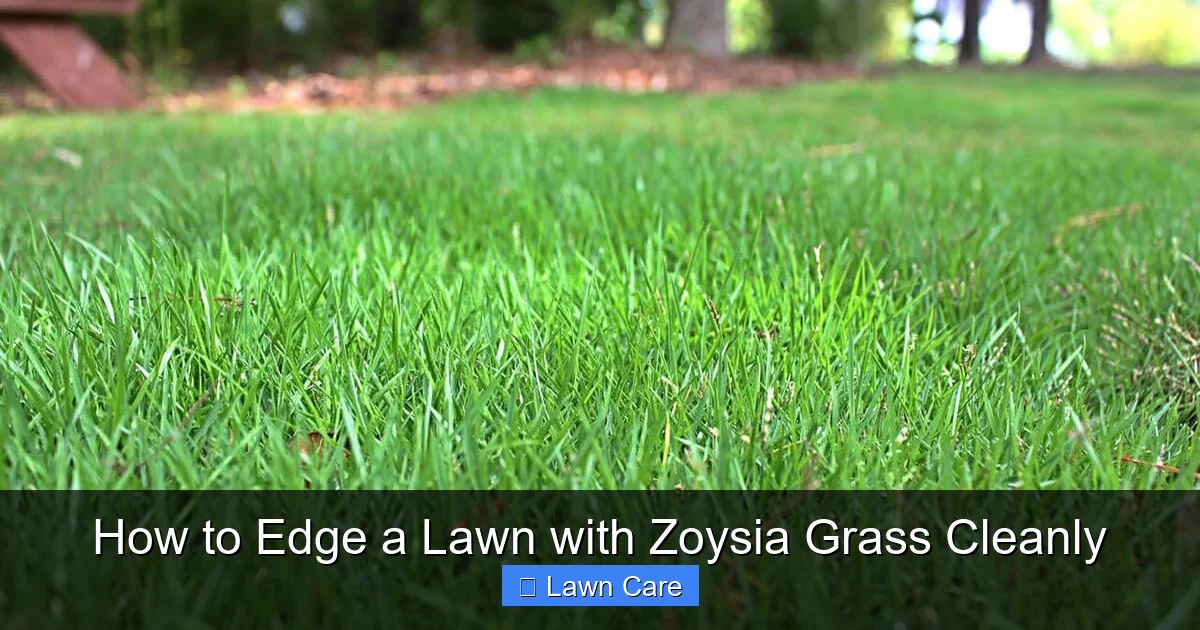
Visual guide about How to Edge a Lawn with Zoysia Grass Cleanly
Image source: gardenmandy.com
Your Zoysia lawn will likely meet various features – garden beds, walkways, driveways, and fences. Each requires a slightly different approach.
Garden Beds and Flower Beds
* This is where a manual edger or a string trimmer used with care excels. You want a defined border to keep grass from invading your plants. A depth of 1-2 inches is usually sufficient. Be mindful of plant roots and avoid cutting too deep if they are close to the edge.
* Consider a slight slope away from the bed into the lawn so that water drains away from your plants.
Walkways and Driveways
* For hardscapes like concrete walkways or asphalt driveways, you want a very crisp, clean edge. A dedicated edger or a sharp spade is excellent here. Some people prefer to create a slightly deeper edge (up to 3 inches) to really separate the lawn from the hard surface and reduce grass overgrowth.
* A string trimmer can also work, but it’s easy to nick the concrete or asphalt if you’re not careful.
Tree Rings
* When edging around the base of trees, create a smooth, circular edge. Be careful not to damage the tree’s bark. A flexible edging tool or a spade can help you form a consistent curve. Ensure the edge is far enough from the trunk to allow for the tree’s growth and to prevent moisture buildup around the bark.
Fences and Walls
* Edging along fences or retaining walls can be tricky. Use a string trimmer with a vertical guard or a dedicated edger to get as close as possible. You might need to use hand shears for any grass that the powered tools can’t reach.
Long-Term Edging Solutions
While regular edging keeps your lawn looking sharp, you might consider more permanent solutions for a consistently neat appearance and to simplify maintenance.
Installing Permanent Edging
* **Brick or Stone Edging:** This is a popular choice that adds visual appeal and a strong barrier. You can lay bricks or stones flush with the lawn or create a raised border. This is a fantastic way to define beds and paths. For inspiration, look into how to edge a lawn with bricks.
* **Plastic or Metal Edging:** These are less decorative but very functional. They create a clean, straight line and are durable. They are often installed by digging a trench and inserting the edging material.
* **Landscape Fabric and Mulch:** For beds, you can dig a trench, install landscape fabric, and then fill the trench with mulch or stones. This creates a clear visual separation and also helps suppress weeds.
**Benefit for Zoysia:** Permanent edging solutions are particularly beneficial for Zoysia because they provide a strong deterrent against its spreading habit. Once installed, they significantly reduce the amount of manual edging required to keep your Zoysia lawn in check.
Maintaining Your Edges for a Pristine Look
Edging isn’t a one-time job. For that consistently immaculate appearance, regular maintenance is key.
Frequency of Edging
* The frequency depends on your lawn’s growth rate and the season. During peak growing season (late spring and summer), you might need to edge every 2-4 weeks. In cooler months, or if your Zoysia is slower to spread, you can edge less often.
* The goal is to maintain a visible, clean line. Don’t wait until grass has significantly crept over the edge.
Touch-Ups and Repairs
* After edging, inspect the lines. If you notice any missed spots or unevenness, a quick touch-up with shears or your edger can make all the difference.
* If you have bare patches along the edge where grass didn’t recover, you might need to reseed or patch the area. Knowing how to repair lawn with patchy grass can be very helpful here.
The Importance of Sharp Blades
* I can’t stress this enough: sharp blades on your mower, edger, or trimmer line are vital. Dull blades tear grass, leading to browning, stress, and a ragged edge. Regularly sharpen or replace blades and trimmer lines. For manual mowers, learning how to sharpen manual lawn mower blades with a file can be a worthwhile skill.
Conclusion
Achieving clean edges on your Zoysia grass lawn is a rewarding task that significantly boosts your lawn’s curb appeal. By understanding Zoysia’s growth habits, selecting the right tools for the job, mastering the proper techniques, and committing to regular maintenance, you can transform your lawn into a picture of neatness and precision. Whether you opt for the control of a manual edger, the efficiency of a powered tool, or the long-term solution of permanent edging, the result will be a Zoysia lawn that looks consistently manicured and professional. So, grab your tools, get out there, and enjoy the satisfaction of perfectly edged Zoysia!
Frequently Asked Questions
Is edging Zoysia grass harder than other types of grass?
Zoysia grass forms a dense, thick sod due to its spreading nature. This can make edging more physically demanding and require sharper, more robust tools compared to less dense grasses. However, the well-defined edge will also last longer.
What are the risks of edging Zoysia grass too often?
Edging too frequently can stress the Zoysia grass, especially if the soil conditions are not ideal or if the tool is not sharp. While Zoysia is resilient, excessive edging can lead to browning or thinning along the edges.
Can I edge my Zoysia lawn right after it rains?
It’s best to wait until the soil is only slightly moist. If the ground is waterlogged from recent rain, edging can cause tearing of the sod and create a muddy mess, making it harder to achieve a clean cut.
What should I do with the grass clippings from edging?
You can typically rake up the grass clippings and add them to your compost pile. For smaller amounts, they can be scattered thinly on the lawn if they are small enough not to smother the grass.
How can I maintain a clean edge between my Zoysia lawn and a flower bed?
To maintain a clean edge between your Zoysia lawn and a flower bed, regularly use a manual edger or string trimmer to create a clear furrow. Consider installing a permanent border like bricks or stones for a more defined and low-maintenance separation.
My Zoysia lawn edges look brown after I’ve edged them. What could be the cause?
Brown edges after edging are often caused by dull blades or edger lines that are tearing the grass instead of cutting it. Ensure your tools are sharp. Additionally, ensure you are not cutting too deep, which can scalp the grass and expose soil, leading to browning.