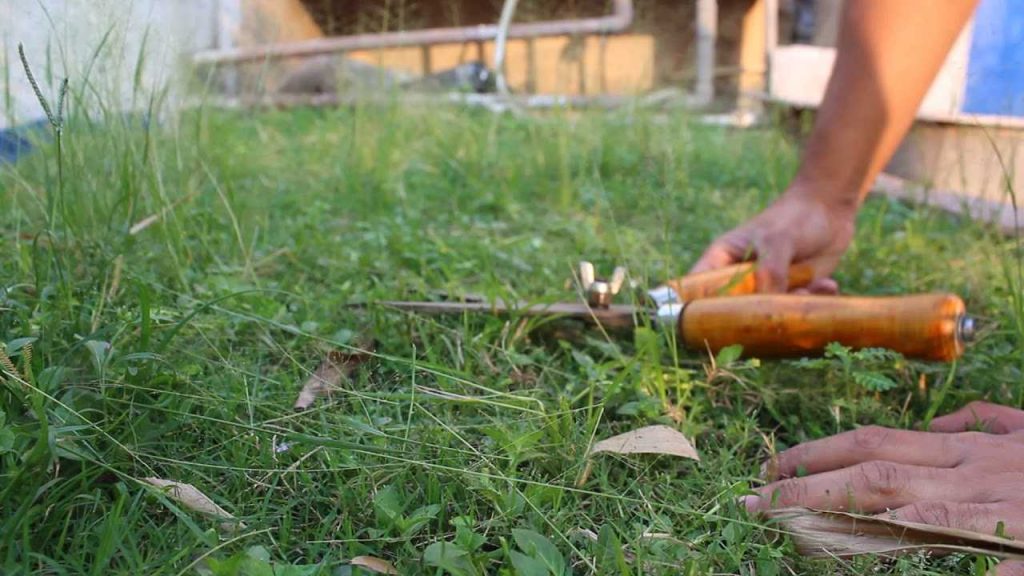
Looking to tame your overgrown yard without spending a dime on a lawn mower? There are surprisingly simple and effective ways to cut grass without traditional equipment. Whether you’re in a pinch or just prefer a more natural approach, you can utilize basic tools and clever techniques to keep your lawn tidy.
For quick answers, you can hand-clip the grass with scissors or shears, use a scythe or sickle for larger areas, or even try pulling out weeds and trimming excess with a knife or mower blade. These methods may take more time and effort but are perfect for small patches or emergency situations.
If you want to cut grass without a mower, you can use manual tools like scissors, shears, or a sickle. For larger areas, alternative methods like grazing animals or using power tools such as a string trimmer can be effective. With patience and creativity, maintaining your lawn is still possible without traditional mowing equipment.
When it comes to managing your yard without a lawn mower, you’re not out of options. Many people overlook simple, traditional tools or natural methods that can do the job just as well. Hand-hedging with scissors or pruning shears is perfect for small patches or edges. For larger areas, a sickle or a scythe can make the task easier, offering a more eco-friendly approach. If you have access to animals like goats or sheep, they can graze your lawn naturally. For quick and more power-driven options, a string trimmer or even a brush cutter can help. Exploring these alternatives can keep your yard neat and healthy, all while avoiding the need for a bulky mower.

How to Cut Grass Without a Lawn Mower
If you don’t have a lawn mower or want alternative ways to keep your grass tidy, there are several effective methods. Each method depends on the size of your lawn, the tools available, and your personal preferences. Let’s explore some practical options to cut grass without a lawn mower.
Using a String Trimmer or Weed Whacker
A string trimmer, also known as a weed whacker, is a versatile tool that can cut grass in tight or hard-to-reach spots. It works well on small lawns and uneven terrain. Make sure to use it with fresh, sharp lines of trimmer string for a clean cut.
To get started, wear safety gear like goggles and gloves to protect yourself from debris. Maintain a steady motion and keep the head of the trimmer close to the ground for even cutting. This method is quick and requires minimal effort for small to medium-sized lawns.
Scythe or Sickle Cutting
The scythe or sickle are traditional hand tools that have been used for centuries to cut grass and weeds. They are especially useful for large areas or overgrown lawns where machinery isn’t available.
Hold the tool with both hands, and swing it in a controlled, sweeping motion. Aim for a consistent height and avoid rushing to prevent fatigue. Regular sharpening of blades helps improve cutting efficiency and safety.
Tips for Using a Scythe or Sickle
- Practice proper technique to reduce strain on your body.
- Wear protective clothing like long sleeves and gloves.
- Work in small sections to prevent exhaustion.
Using a Grass Shear or Hedge Trimmer
For smaller patches of grass, electric or manual grass shears can do the job well. They resemble scissors with long blades or extendable handles for reaching higher grass.
This method is ideal for cutting grass around flower beds, along fences, or in tight corners. It’s a quiet alternative that doesn’t produce noise pollution or debris. Pick a tool with sharp blades for cleaner, easier cutting.
Manual Cutting with a Machete or Large Knife
A machete, large kitchen knife, or similar cutting tool can be used for quick grass removal. This method works best for overgrown areas or lawns with thick, tall grass.
Hold the tool firmly, and swing it in a controlled manner to cut through grass at ground level. Be cautious to avoid injury, and always use protective gloves and sturdy footwear. This approach is effective but requires strength and safety awareness.
Using a Scythe or Brush Cutter for Larger Areas
If your lawn covers a larger space, a brush cutter or a larger scythe can make the job easier. These tools have powered blades that cut through dense vegetation quickly.
They require some skill to operate safely, so reading the user manual and practicing in a small area before full use is recommended. Always wear protective gear like ear protection, goggles, and sturdy clothing to prevent injury.
Adapting Lawn Equipment for DIY Cutting
Some homeowners modify existing equipment for grass cutting, such as attaching a rotating blade to a bicycle or using chainsaw parts. This approach is advanced and should be done with caution.
If considering DIY modifications, prioritize safety and ensure the equipment is stable and well-maintained. Keep in mind that such modifications may void warranties and pose risks.
Other Creative Methods to Cut Grass
Innovative approaches might include using a manual reel mower or even a rotary tool with a cutting attachment for small patches. While these are less common, they can be effective for specific needs.
Remember, the goal is to cut grass evenly without equipment, so choose a method that suits your lawn size and personal comfort level. Regular maintenance and safety precautions are essential for any manual or DIY technique.
Comparing Methods for Different Lawn Sizes
| Lawn Size | Recommended Method | Pros | Cons |
|---|---|---|---|
| Small (< 100 sq ft) | Grass shears or scissors | Quiet, precise, easy to handle | Time-consuming for larger areas |
| Medium (100 – 500 sq ft) | String trimmer or sickle | Efficient, fast, versatile | Requires some physical effort |
| Large (> 500 sq ft) | Brush cutter or modified tools | Saves time, handles thick grass | Requires safety precautions and skill |
Safety Precautions When Cutting Grass Manually
Always wear protective gear, including goggles, gloves, and closed-toe shoes. Take regular breaks to avoid fatigue, and be mindful of your posture to prevent strain. Keep tools sharp and well-maintained for safe and effective use.
Ensure the area is clear of children and pets before starting. Always work in daylight and stay alert to avoid accidents. Proper technique and safety measures make manual grass cutting a manageable task.
Environmental Benefits of Cutting Grass Without a Lawn Mower
Manual methods and eco-friendly tools lower your carbon footprint compared to gasoline-powered mowers. They generate no noise pollution and produce no emissions. Using natural or manual tools also supports a healthier environment.
These methods can be sustainable choices, especially for small yards or eco-conscious homeowners. They reduce energy consumption and encourage outdoor activity and exercise.
Cutting grass without a lawn mower is doable with a variety of tools and techniques tailored to your needs. Whether you opt for traditional hand tools, power tools, or creative DIY solutions, safety, efficiency, and environmental impact should guide your choice. With patience and the right approach, you can keep your yard tidy without relying on a mower.
How to Mow a Lawn CORRECTLY
Frequently Asked Questions
What are some manual tools I can use to cut grass without a lawn mower?
You can use tools like a sickle, scythe, or even a pair of sharp hedge shears. These tools allow you to manually trim the grass, especially in smaller or hard-to-reach areas. Ensure the blades are sharp to make clean cuts and reduce strain on your hands and arms.
How can I effectively cut tall grass without a mower?
For tall grass, start by trimming the top sections with a sickle or scythe to avoid overwhelming yourself. Then, use a string trimmer or hand-held grass shears for detailed trimming. Taking small sections at a time makes the process easier and helps achieve a cleaner look.
Are there any eco-friendly alternatives to using a lawn mower for grass cutting?
Yes, manual tools like a push reel mower, which doesn’t require electricity or fuel, serve as eco-friendly options. Additionally, hand tools like shears or sickles produce no emissions and have minimal environmental impact, making them good choices for those seeking sustainable methods.
What safety precautions should I take when cutting grass manually?
Always wear protective gloves to prevent cuts and blisters. Use sharp tools to reduce the effort required and avoid accidents. Make sure your work area is clear of obstacles, and wear sturdy footwear for stability. Take regular breaks to prevent fatigue and maintain control of your tools.
Can I use my gardening shears for cutting grass effectively?
Gardening shears work well for small patches or detailed trimming of grass and weeds. For larger areas, they may require significant effort and time. Keep the blades sharp to ensure clean cuts and reduce strain during use. For extensive areas, consider combining shears with other manual tools for efficiency.
Final Thoughts
To cut grass without a lawn mower, consider alternative tools like scissors, shears, or a sickle. These options work well for small patches or precision trimming. Use sharp blades to make the task easier and more effective.
Manual tools require effort but give you control over the trimming process. Regularly check the tools’ condition to ensure clean cuts and avoid tiring your hands.
In conclusion, knowing how to cut grass without a lawn mower helps manage small lawns efficiently. Pick the right tools and stay consistent for neat, healthy grass.