Creating a lawn care business plan is crucial for turning your green-thumb passion into a successful venture. Start by outlining your business objectives, target market, and services offered, like mowing, fertilization, or landscaping. Establish a budget to track startup costs and ongoing expenses, and don’t forget to include marketing strategies to attract clients. A well-thought-out plan not only helps you stay focused but also makes it easier to secure financing if needed. By following these steps, you’ll have a solid foundation to grow your lawn care business and achieve your entrepreneurial goals.
When venturing into the lawn care industry, having a comprehensive business plan is your roadmap to success. Whether you’re a seasoned gardener or a newcomer, understanding the ins and outs of your market is essential. In this article, we’ll guide you through the key components of crafting an effective lawn care business plan, ensuring you’re set up for success from the very beginning. From identifying your target audience and services to establishing your budget and marketing tactics, we’ll cover everything you need to know to turn your passion for lawn care into a thriving business. Let’s dig in and get started!

How To Create Lawn Care Business Plan
Creating a lawn care business plan is an essential step for anyone looking to start or grow their lawn care service. This plan helps define your business goals, the services you provide, and how you will reach your target customers. Setting up a good plan is like laying the groundwork for a beautiful lawn. It establishes a solid foundation that will support your business’s growth and success.
Understanding Your Market
Before diving into your business plan, it’s crucial to understand the market you will operate in. Research your local competition and identify who your potential customers are. Knowing your market can help you tailor your services to meet their needs.
- Identify local competitors and analyze their strengths and weaknesses.
- Determine the demographics of your target customers, such as age, income, and preferences.
- Understand seasonal trends in lawn care and how they affect demand.
Gathering this information will provide insight into your market positioning and help you create strategies to stand out.
Define Your Services
Next, you need to decide what services your lawn care business will offer. A diverse service menu can attract a broader customer base. Some common services include:
- Lawn mowing
- Lawn fertilization
- Weed control
- Landscape design
- Tree trimming and pruning
- Irrigation system installation and repair
Each service should be clearly defined in your business plan. This clarity helps communicate your offerings to potential customers and keeps you focused as your business grows.
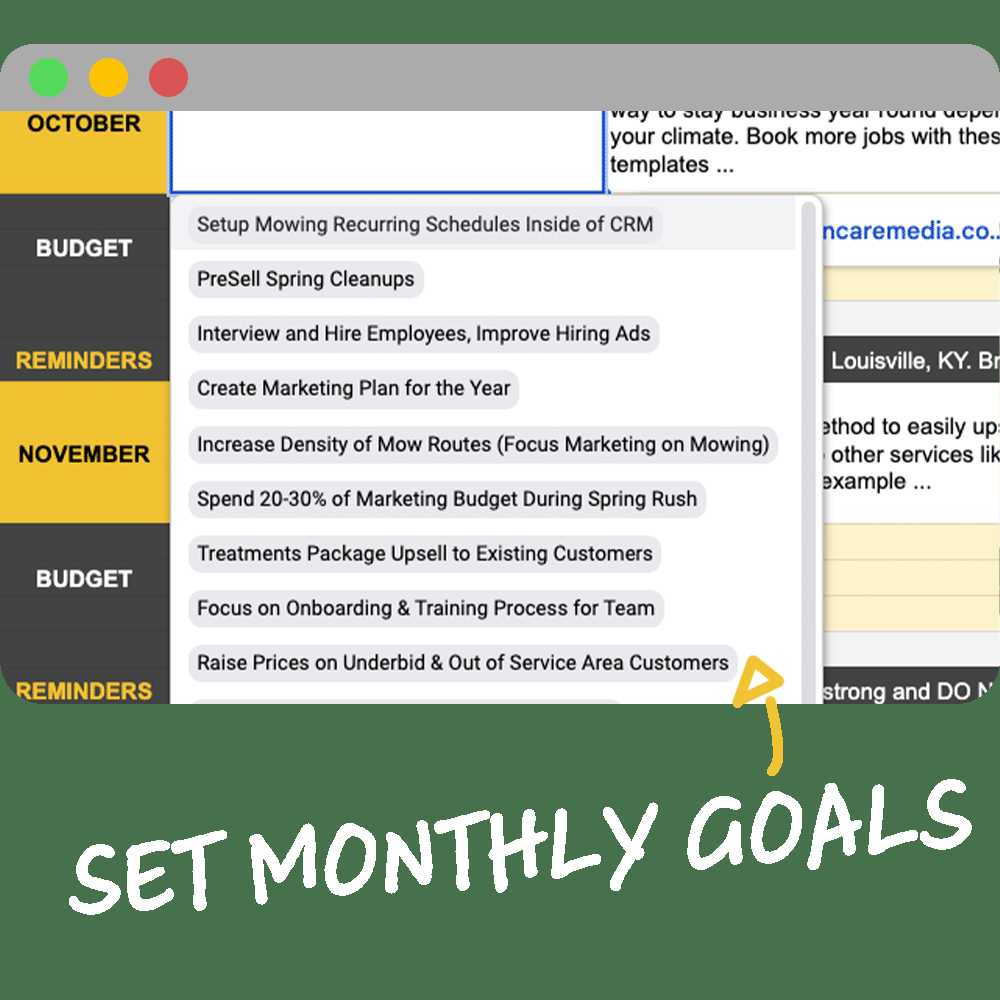
Setting Business Goals
Every successful business needs clear, attainable goals. Your business plan should lay out both short-term and long-term objectives. These could range from customer acquisition targets to revenue milestones.
- Short-term goals: Goals to achieve within the first year, such as acquiring 20 regular clients.
- Long-term goals: Aiming for expansion, like adding new services in three years.
Setting specific, measurable, achievable, relevant, and time-bound (SMART) goals will guide your business decisions and strategies.
Developing a Marketing Strategy
To attract customers, you need a solid marketing strategy. Your plan should detail how you will promote your services and reach your target audience.
- Online marketing: Utilize social media platforms like Facebook and Instagram to showcase your work.
- Local advertising: Distribute flyers and business cards in your target neighborhoods.
- Networking: Join local business groups and participate in community events to increase visibility.
A diverse marketing strategy can help you reach more customers and build brand awareness in your community.
Creating a Budget
A well-planned budget is vital for the health of your business. Determine the costs associated with starting and operating your lawn care business. Include expenses like equipment, supplies, and marketing.
- Equipment costs: Mowers, trimmers, and blowers can be significant expenses.
- Operational costs: Fuel, maintenance, and transportation need to be accounted for.
- Marketing expenses: Allocate a portion of your budget to advertising and promotional materials.
Keep in mind that your budget should be flexible enough to adapt to unexpected expenses or opportunities.
Choosing a Business Structure
Selecting the right business structure is an important decision that affects your taxes, liability, and operations. You may choose between several options, including:
- Sole proprietorship: Easiest to set up but offers no personal liability protection.
- Limited liability company (LLC): Provides personal liability protection and flexible tax options.
- Corporation: More complex but can offer extensive liability protection and credibility.
Consult with a legal professional to help determine which structure fits your business best.
Creating a Pricing Strategy
Your pricing strategy will significantly affect your profitability. Research what competitors charge for similar services in your area to set competitive prices.
- Consider variable pricing: Offer discounts for package deals or regular clients.
- Evaluate your costs: Ensure your prices cover expenses and generate profit.
- Positioning: Depending on your services, you may choose to price higher for premium services or lower to attract volume.
A thoughtful pricing strategy will help you maintain a healthy profit margin while appealing to your target audience.
Building a Customer Base
Once your plan is in place, it’s time to start building your customer base. Customer satisfaction and service quality are paramount.
- Provide exceptional service that exceeds expectations to encourage repeat business.
- Ask for feedback to improve your services continually.
- Implement a referral program: Reward customers who refer new clients to you.
Building a loyal customer base will help secure the foundation of your lawn care business.
Setting Up Administrative Processes
Efficient administrative processes help keep your business organized. Consider implementing systems for scheduling, invoicing, and customer management.
- Use software tools: Automate scheduling and billing to save time.
- Maintain clear records: Keep track of customer interactions and payments for improved service.
- Review regularly: Assess your processes and make adjustments as necessary.
Streamlining your administration will allow you to focus more on service delivery and less on paperwork.
Measuring Success
Measuring success helps you understand how well your business is performing against your goals. Regularly monitor your financial performance, customer satisfaction, and market position.
- Set KPIs (Key Performance Indicators): Track metrics like number of clients, revenue growth, and customer reviews.
- Make adjustments: Be ready to adapt your strategies based on your performance metrics.
- Celebrate milestones: Recognizing achievements can motivate you and your team.
Ongoing measurement will keep your business on the path to success.
Creating a comprehensive lawn care business plan involves multiple steps, from understanding your market to measuring success. By taking the time to develop each area, you will build a strong foundation for your business. Implement regular reviews of your plan to adapt to changes in your market and customer preferences. Embracing flexibility and planning will ensure your lawn care business not only starts strong, but continues to grow and thrive.
5 Tips to Start a Lawn Care Business in 2024
Frequently Asked Questions
“`html
What are the key components of a lawn care business plan?
A lawn care business plan should include several key components: an executive summary, market analysis, organizational structure, services offered, marketing strategies, and financial projections. The executive summary provides an overview of your business goals, while market analysis helps you understand your competition and target customers. Organizational structure outlines your team and responsibilities, and detailing your services highlights what you will offer clients. Marketing strategies describe how you will attract customers, and financial projections give insight into expected revenues and expenses.
How do I determine my target market for a lawn care business?
Identify your target market by researching demographics in your area. Look for residential neighborhoods, commercial businesses, and properties that require regular lawn maintenance. Consider factors such as income levels, property sizes, and the types of services they might need. Surveys and local data can provide insights into customer preferences, allowing you to tailor your services to meet the demand.
What should I include in the financial section of my lawn care business plan?
The financial section should include a detailed budget, projected income statements, cash flow statements, and break-even analysis. Outline startup costs, such as equipment, licenses, and marketing expenses. Include potential revenue based on your pricing structure and service demand. Providing a cash flow statement helps illustrate your expected inflows and outflows, while a break-even analysis shows when your business will become profitable.
How can I effectively market my lawn care business?
Effective marketing for a lawn care business can involve a combination of online and offline strategies. Utilize social media platforms to showcase your services, share customer testimonials, and engage with your community. Create a professional website that outlines your services, pricing, and contact information. Print flyers and business cards to distribute in local neighborhoods and consider partnerships with local businesses for referral opportunities. Networking within the community can also lead to valuable connections and potential clients.
What equipment and resources do I need to start a lawn care business?
To start a lawn care business, you’ll need essential equipment such as mowers, trimmers, blowers, and safety gear. Additionally, consider transportation to carry your equipment to job sites. Resources such as business licenses and insurance are also critical for operating legally and protecting your business. Assess your budget to determine the best equipment options that meet your needs without overspending initially.
How often should I revisit my lawn care business plan?
You should revisit your lawn care business plan at least annually or whenever significant changes occur within your business or the market. Regularly reviewing your plan allows you to adjust your strategies based on performance and evolving industry trends. This practice helps you stay aligned with your goals and ensures that your business remains competitive and responsive to customer needs.
“`
Final Thoughts
Creating a comprehensive lawn care business plan involves defining your goals, understanding your target market, and outlining your services. Research your competition and assess your pricing strategy to stay competitive.
Include financial projections and marketing strategies to guide your growth. Review and adjust your plan regularly to respond to industry changes.
In summary, following these steps will help you effectively build your business. Remember, knowing how to create a lawn care business plan is essential for long-term success.