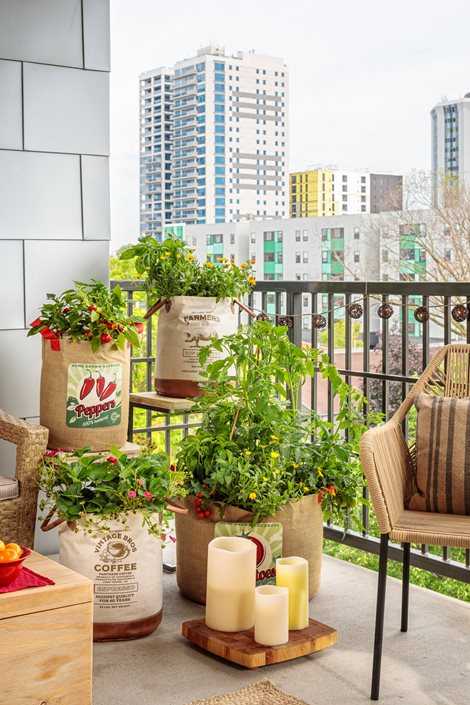
Creating a balcony garden is a fantastic way to bring greenery into your home, even if you have limited space. To get started, focus on choosing the right plants that thrive in small areas, such as herbs, flowers, and compact vegetables. Use containers like pots and hanging baskets to maximize your space and consider incorporating vertical gardening techniques to add height and visual interest. Remember to ensure your balcony gets adequate sunlight and water your plants regularly. With some creativity and planning, you can transform your balcony into a lush retreat that enhances your living environment and provides fresh produce or beautiful blooms.
A balcony garden can be a delightful escape right outside your door. Imagine sipping your morning coffee amidst fragrant flowers or harvesting fresh herbs for dinner. The beauty of a balcony garden lies in its versatility. Whether you have a sprawling outdoor area or a cozy nook, you can create a vibrant space that reflects your personal style. Start by assessing your balcony’s sunlight exposure and wind conditions to choose suitable plants. Incorporating raised beds, containers, and vertical planters can help you optimize your space. Don’t forget about drainage and accessibility for watering. With a little effort and creativity, your balcony can become a thriving oasis filled with life and color.

How To Create Balcony Garden
Creating a balcony garden is a delightful way to bring nature into your living space, no matter how small. Whether you have a spacious terrace or a cozy balcony, cultivating plants can enhance your outdoor experience. This guide will walk you through the steps to design a vibrant balcony garden that suits your needs and lifestyle.
Choosing the Right Plants
Selecting the right plants is fundamental to the success of your balcony garden. Consider factors like sunlight, wind exposure, and the size of your balcony. Begin by assessing how much sunlight your balcony receives each day.
- **Full Sun (6+ hours):** Great for vegetables, herbs, and flowering plants.
- **Partial Sun (4-6 hours):** Opt for shade-tolerant plants.
- **Shade (less than 4 hours):** Look for ferns and other shade-loving plants.
Additionally, consider the climate in your area. Some plants thrive in warm temperatures while others prefer cooler conditions. Make a list of plants that will flourish on your balcony based on these conditions.
Container Selection
Containers play a crucial role in balcony gardening. They not only hold your plants but also add aesthetics to your space. When selecting containers, keep the following in mind:
- **Size:** Ensure pots are large enough for roots to grow.
- **Material:** Options include ceramic, plastic, and wood. Each has its benefits and drawbacks.
- **Drainage:** Make sure pots have drainage holes to prevent waterlogging.
For small balconies, consider vertical planters or hanging pots to save space and add dimension to your garden.
Soil and Fertilization
Choosing the right soil is vital for healthy plants. Use high-quality potting mix, which provides the necessary nutrients and drainage for container plants.
Soil Tips:
- **Lightweight:** Helps with drainage and aeration.
- **Nutrient-Rich:** Includes compost or slow-release fertilizers.
- **pH Balanced:** Most plants thrive in a neutral pH.
Regular fertilization will ensure that your plants get the nutrients they need. Use organic fertilizers for a natural approach and follow the recommended schedules for application.
Watering Your Balcony Garden
Watering is an essential task in maintaining a healthy balcony garden. Different plants have varying water needs, so it’s vital to understand the requirements of your specific plants.
- **Frequency:** Check the soil moisture before watering. Containers dry out faster than ground soil.
- **Method:** Water at the base of the plants to avoid fungal diseases.
- **Time:** Early morning or late afternoon is the best time to water.
By monitoring soil moisture and plant health, you can develop a consistent watering schedule.
Creating a Layout
Designing the layout of your balcony garden is an exciting step. A well-planned layout maximizes space and enhances the beauty of your garden.
Layout Ideas:
- **Layering:** Place taller plants at the back and shorter ones in front.
- **Grouping:** Cluster plants with similar watering needs together.
- **Vertical Space:** Use shelves or hanging pots to make the most of limited space.
Sketching your design on paper can help visualize the final look before planting.
Maintenance and Care
Regular maintenance is key to a thriving balcony garden. This includes pruning, deadheading, and pest control.
Maintenance Tasks:
- **Watering:** Adjust based on the season and plant requirements.
- **Pruning:** Trim plants to promote growth and remove any dead or yellowing leaves.
- **Pest Control:** Regularly inspect for pests and use organic solutions when necessary.
Creating a habit of maintaining your garden will keep it healthy and flourishing.
Seasonal Considerations
Different seasons bring various challenges and opportunities for your balcony garden.
Spring:
- Plant new seeds or seedlings.
- Prepare soil and containers for growth.
Summer:
- Provide shade for delicate plants during the hottest days.
- Increase watering frequency as temperatures rise.
Fall:
- Harvest any vegetables or herbs you’ve grown.
- Prepare plants for cooler temperatures.
Winter:
- Consider bringing in sensitive plants indoors.
- Use protective covers for outdoor containers.
Understanding seasonal changes will help ensure the longevity of your plants.
Decorating Your Balcony Garden
Adding decor can enhance the visual appeal of your balcony garden. Here are some ideas to consider:
- **Fairy Lights:** Create a magical nighttime atmosphere.
- **Garden Statues:** Add personality and charm to your space.
- **Colorful Pots:** Use unique or brightly colored containers for a pop of color.
The decor should complement your garden theme while reflecting your personal style.
Common Challenges and Solutions
Many gardeners face challenges while creating their balcony gardens. Here are some common issues and how to overcome them:
Limited Space:
- Use vertical gardening techniques to maximize space.
- Choose smaller plants that are compact and suited for containers.
Pests:
- Regularly inspect plants and remove any pests manually.
- Use organic sprays if necessary to control infestations.
Weather Conditions:
- Provide shade or move pots during extreme heat.
- Bring plants indoors during severe weather.
By preparing for these challenges, you can ensure your balcony garden thrives.
In summary, creating a balcony garden is a rewarding endeavor that enhances your living space. By choosing the right plants, containers, and maintenance practices, you can enjoy a lush, green retreat right outside your home. With a bit of planning and ongoing care, your balcony can bloom beautifully.
Creating a Balcony Garden (For Complete Beginners)
Frequently Asked Questions
“`html
What types of plants are suitable for a balcony garden?
When creating a balcony garden, select plants that thrive in limited space and sunlight. Consider herbs like basil and parsley, flowering plants like petunias and geraniums, or even small fruit plants like strawberries and cherry tomatoes. Also, choose low-maintenance plants that can withstand wind and various weather conditions.
How can I maximize space in my balcony garden?
Maximize space by using vertical gardening techniques. Install wall planters, hanging baskets, or use a tiered plant stand to utilize every inch of your balcony. Consider using railing planters to keep the floor area clear. Additionally, prioritize compact plant varieties that grow upwards rather than outwards.
What are the best containers for balcony gardening?
Choose containers that offer good drainage and are lightweight. Clay pots, plastic containers, and fabric grow bags work well. Ensure that the containers are deep enough for the roots of the plants you choose. Additionally, consider self-watering containers to help maintain moisture levels.
How do I ensure my balcony garden gets enough sunlight?
Assess the sunlight exposure of your balcony throughout the day. Place sun-loving plants in areas that receive direct sunlight for at least 6-8 hours. For areas with partial shade, opt for shade-tolerant plants. You can also use reflective surfaces to increase light availability.
What maintenance does a balcony garden require?
Maintain your balcony garden by regularly watering the plants, ensuring proper drainage, and monitoring for pests. Prune dead or yellowing leaves and fertilize according to the specific needs of your plants. Regularly check the soil moisture and adjust your watering schedule based on weather conditions.
“`
Final Thoughts
Creating a balcony garden enhances your living space with greenery and fresh produce. Start by choosing the right containers and plants suited for your balcony’s sunlight and space. Regular watering and proper drainage are essential for healthy plants.
Make use of vertical gardening techniques to maximize your area. Incorporate herbs and flowers to attract pollinators and add beauty. With thoughtful planning and care, you can enjoy the benefits of your new space.
Follow these steps on how to create balcony garden and watch your little oasis flourish.