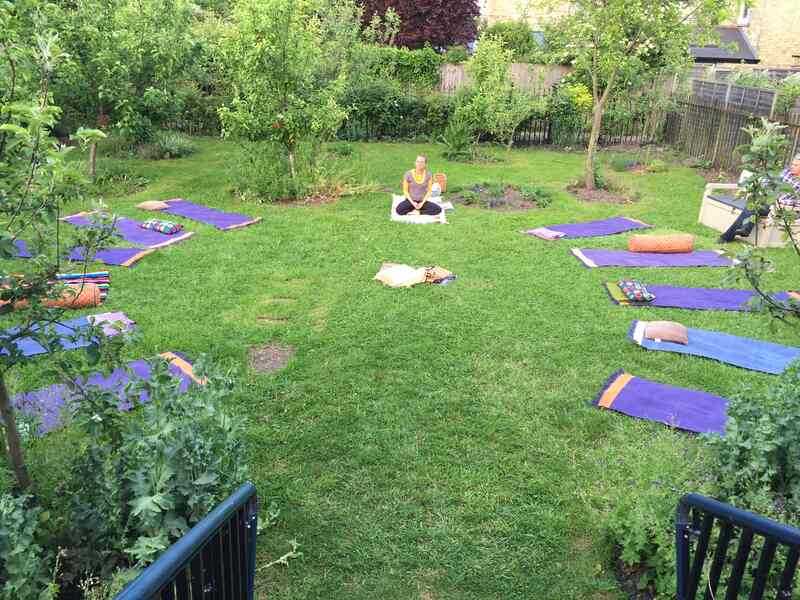
Creating a yoga garden is a beautiful way to enhance your practice and connect with nature. Start by choosing a tranquil spot in your yard or balcony where you can feel at peace. Clear the area of any debris, and consider adding natural elements like plants, stones, or water features to cultivate a serene atmosphere. Incorporate comfortable seating or a yoga mat, and think about using soft, calming colors for any decor. With a few thoughtful touches, you can transform your space into a personal sanctuary perfect for meditation and yoga. Embrace the outdoors and let your yoga garden become a reflection of your inner calm and balance.
To create a yoga garden, choose a quiet space, clear it, add natural elements, and create a comfortable area for practice.

How To Create A Yoga Garden
Creating a yoga garden is a wonderful way to enhance your practice and connect with nature. A yoga garden provides a serene environment where you can meditate, stretch, and breathe deeply. In this guide, we will explore the essential steps to design and cultivate a space dedicated to peace, mindfulness, and relaxation.
Choosing the Right Location
The first step in creating your yoga garden is selecting the perfect spot. Look for a place that offers **natural beauty** and tranquility. Here are some tips on choosing the right location:
- Find a quiet area with minimal distractions. This could be a corner of your yard, a balcony, or even a rooftop.
- Ensure the space gets plenty of sunlight. A sunny spot will help your plants thrive and provide warmth during your practice.
- Consider the view. A beautiful landscape can enhance your meditation and yoga sessions.
Once you find the ideal location, you can start planning your garden layout.
Designing Your Yoga Garden Layout
Creating a layout for your yoga garden is an exciting step. Think about how you want the space to flow. You might want to include different zones for various activities.
Zone Ideas
- Yoga Area: Designate a flat, clear area for your mat. It should be free of obstacles and clutter.
- Relaxation Zone: Create a spot with comfortable seating—maybe a hammock or a cozy chair.
- Plant Section: Dedicate a part of your garden to flowers and herbs, enhancing the aroma and serenity.
By dividing your garden into zones, you make it easier to switch between activities and promote relaxation.
Selecting Plants for Your Yoga Garden
The plants you choose for your yoga garden can greatly influence the atmosphere. It’s essential to select ones that not only look beautiful but also create a calming environment.
Types of Plants
- Flowering Plants: Consider lavender, jasmine, or roses for their lovely scents.
- Herbs: Plant rosemary, mint, or basil, which add fragrance and can be used in teas or cooking.
- Foliage Plants: Incorporate ferns or hostas to provide lush greenery.
Remember to pick plants that thrive in your climate and are easy to maintain. This will ensure your garden remains beautiful with minimal effort.
Creating a Relaxing Atmosphere
Atmosphere is crucial in a yoga garden. It should feel safe, peaceful, and inviting. There are several ways to cultivate this environment.
Adding Decorative Elements
Consider adding the following items to enhance your garden:
- Statues: Incorporate statues of Buddha or other figures that inspire peace.
- Wind Chimes: Hang wind chimes to create gentle sounds that soothe the spirit.
- Lighting: Include solar lights or lanterns to provide soft lighting during evening practices.
These elements will help create a calming ambiance that enhances your yoga and meditation experience.
Incorporating Water Features
A water feature can bring a touch of tranquility to your yoga garden. The sound of water can be incredibly soothing, making it easier to relax during practice.
Water Feature Ideas
– **Fountains:** A small fountain can provide gentle sounds and create a focal point in your garden.
– **Bird Baths:** These not only attract birds but add beauty and a sense of life to the space.
– **Ponds:** If you have the space, a small pond can become a serene environment for reflection.
No matter the size or type, a water feature adds a peaceful element to your garden.
Creating a Meditation Space
Designating a specific area for meditation can deepen your mindfulness practice. This space should encourage stillness and focus.
Meditation Space Tips
– **Seating:** Use cushions or low benches for comfort during meditation.
– **Surroundings:** Ensure this area is free from distractions and allows natural sounds to flow in.
– **Practices:** Consider marking boundaries with stones or plants to create a defined space.
Having a dedicated meditation area can significantly enhance your ability to focus and relax.
Incorporating Natural Pathways
Creating pathways through your yoga garden can add structure and beauty. Paths can guide you to different areas and create a sense of exploration.
Pathway Ideas
- Stone Paths: Use smooth stones or pavers to create a durable and natural-looking path.
- Mulch or Gravel: These materials are easy to maintain and can define spaces well.
- Plants as Borders: Consider edging paths with low-growing plants or flowers for added beauty.
A well-designed pathway enhances the visual appeal of your garden while providing a practical way to navigate through it.
Maintaining Your Yoga Garden
Once your yoga garden is set up, regular maintenance is key to keeping it beautiful and functional.
Maintenance Tips
- Watering: Ensure your plants are well-watered, especially during dry spells.
- Weeding: Regularly remove weeds to prevent competition for nutrients and space.
- Pruning: Trim plants as needed to maintain their health and appearance.
A little maintenance goes a long way in keeping your yoga garden a welcoming retreat.
Connecting with Nature
Using your yoga garden for practice allows you to connect with nature on a deeper level. Nature’s beauty can inspire mindfulness and encourage peace within.
Practicing Mindfulness
– **Breath Work:** Take a moment in your garden to focus on your breath and observe the surrounding nature.
– **Grounding:** Sit or stand barefoot on the grass to feel the earth beneath you.
– **Observation:** Spend time watching the wildlife, like birds or butterflies, and enjoy the moment.
These practices will help you feel more in tune with your environment and enhance your yoga experience.
In summary, creating a yoga garden is about designing a sacred space that promotes peace, mindfulness, and connection to nature. By carefully choosing a location, selecting the right plants, and adding elements that create a serene atmosphere, you can build a personal retreat that enhances your yoga practice.
Frequently Asked Questions
“`html
What elements should I include in my yoga garden to enhance my practice?
To enhance your yoga practice in the garden, consider including elements like a meditation area, comfortable seating, and pathways for movement. Surround the space with calming plants, such as lavender or bamboo, which can promote relaxation and focus. Adding natural features like stones or water elements can also help create a serene atmosphere.
How can I choose the right location for my yoga garden?
Select a location that offers peace and quiet, away from noise and distractions. Ideally, the spot should receive adequate sunlight while providing some shade during peak hours. Look for a flat, stable area that allows for easy setup of your yoga mat and other features. Consider the view and accessibility to create an inviting space.
What types of plants are best suited for a yoga garden?
Opt for plants that create a calming environment. Aromatic herbs like mint and basil not only enhance sensory experiences but can also be used in teas after practice. Low-maintenance plants such as succulents or ferns can thrive with minimal care, while colorful flowers can add vibrancy and cheerfulness to your garden.
How can I incorporate seasonal changes into my yoga garden design?
Incorporate seasonal changes by selecting a mix of evergreen plants and seasonal flowers. Choose plants that bloom at different times of the year to maintain visual interest throughout the seasons. Consider adding decorations or features that reflect each season, such as colorful leaves in autumn or festive lights in winter, to create a dynamic experience.
What tips can I follow to maintain my yoga garden effectively?
To maintain your yoga garden effectively, establish a regular watering schedule, especially during dry spells. Prune plants as needed to encourage healthy growth and remove any dead foliage. Keep the area clean by removing debris or weeds. Regularly assess the space and adjust plant selections or layouts based on how your practice evolves.
“`
Final Thoughts
Creating a yoga garden combines nature and mindfulness to enhance your practice. Choose a calm, serene spot, and incorporate plants that promote relaxation. Add elements like a meditation area, yoga mats, and soothing water features to enrich the atmosphere.
Regular maintenance keeps your yoga garden inviting and peaceful. Invite friends for sessions or enjoy personal practice amidst nature’s tranquility. By following these steps, you can effectively design your space.
Ultimately, learning How To Create A Yoga Garden will provide a beautiful environment for reflection and rejuvenation. Embrace your journey and cultivate peace in your practice.