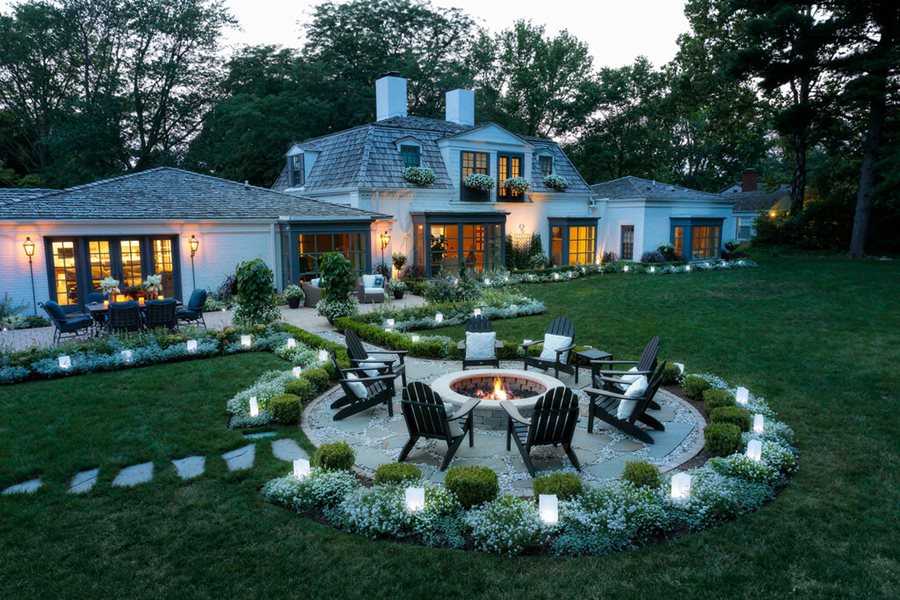
Creating a moon garden is a delightful way to enhance your landscape with plants that bloom and shine under the gentle glow of moonlight. To start your moon garden, focus on choosing the right flowers and foliage. Opt for white or light-colored blooms like moonflowers, evening primrose, and white roses, which reflect the moonlight beautifully. Incorporating fragrant plants like jasmine and honeysuckle can add an enchanting aroma that fills the air at night. Strategically place your plants to create inviting pathways and cozy seating areas, ensuring they are visible and accessible after dark. Finally, consider adding reflective elements like mirrors or stones to amplify the serene atmosphere of your moonlit oasis. With these simple steps, you can create a captivating space that celebrates the magic of the night.

“`html
How To Create A Moon Garden
Creating a moon garden is a delightful way to enjoy the beauty of your outdoor space during the evenings. A moon garden is designed with plants that bloom at night or have reflective qualities, attracting both your senses and nocturnal wildlife.
In this guide, we will cover everything you need to know to successfully create your own moon garden. From choosing the right plants to designing your layout, we’re here to help you every step of the way.
What is a Moon Garden?
A moon garden is a special type of garden designed to be enjoyed at night. It typically features white or light-colored flowers, which shine brightly under the moonlight. Many plants in these gardens also release lovely fragrances after sunset, making them perfect for nighttime enjoyment.
The magic of a moon garden lies in its ability to create a serene and peaceful atmosphere. Imagine strolling through a yard filled with glowing plants and the soothing scent of night-blooming flowers.
Choosing the Right Location
The first step in creating a moon garden is selecting the best location. Look for a spot that receives some moonlight and is away from bright lights.
Here are a few tips to help you choose:
- Pick an area with good drainage.
- Ensure it’s easily accessible for nighttime strolls.
- Avoid locations that are too windy, as some plants might not thrive.
Once you’ve found the perfect spot, you can start planning the layout of your moon garden.
Designing Your Moon Garden Layout
Creating a functional and beautiful layout is essential. Think about how you want to navigate through your garden.
Consider these design tips:
- Create winding paths to encourage exploration.
- Include seating areas for relaxation.
- Use taller plants at the back and shorter ones at the front to create depth.
Remember to think about the seasons, too! Include plants that will bloom at different times throughout the year.
Choosing Moon Garden Plants
Selecting plants is one of the most crucial steps in creating your moon garden. Here are some excellent plants to consider:
- Evening Primrose: Bright yellow flowers that open at dusk.
- White Moonflower: Large, fragrant blooms that open at night.
- Night-Blooming Jasmine: Produces a sweet scent after sunset.
- Silver Mound: A soft, silvery foliage that reflects moonlight.
- Astilbe: Fluffy white or pink flowers that bloom in summer.
When selecting plants, consider your local climate. Choose those that will thrive in your specific growing conditions.
Incorporating Fragrance
One of the unique features of a moon garden is how it engages the sense of smell. Including fragrant plants can enhance the experience.
Here are a few aromatic options:
- Night Scented Stock: Sweet-smelling flowers that bloom at night.
- Sweet Alyssum: Low-growing with a honey-like aroma.
- Jasmine: Known for its intoxicating fragrance!
By carefully selecting fragrant plants, you will add another layer of enjoyment to your evening garden visits.
Consideration for Color and Texture
While white and light-colored plants are the stars of a moon garden, don’t shy away from adding varied textures and colors.
Here’s how to add interest:
- Mix in plants with dark foliage for contrast.
- Incorporate soft, flowing grasses for movement.
- Include stones or other decorative elements for additional visual appeal.
Creating visual appeal will make your moon garden enchanting at night.
Lighting Your Moon Garden
Even though your moon garden is designed to shine under moonlight, consider adding subtle lighting. Soft lights can enhance the atmosphere without overpowering it.
Here are some lighting ideas:
- Use solar-powered garden lights.
- Incorporate string lights in trees or along pathways.
- Place lanterns around seating areas.
Lighting creates a welcoming environment and encourages evening enjoyment.
Building a Pathway
A well-designed pathway helps guests navigate your moon garden with ease. You can use various materials like stones, pavers, or even mulch to create paths.
Here are some path design ideas:
- Curved paths create a more natural feel.
- Use wider paths for seating areas.
- Add stepping stones for a whimsical touch.
A thoughtfully designed pathway enhances accessibility and safety.
Caring for Your Moon Garden
Once your moon garden is in place, maintaining it is key to its beauty. Regular care ensures your plants flourish.
Consider these care practices:
- Water plants deeply but infrequently.
- Prune dead flowers to encourage new growth.
- Fertilize during the growing season for healthy blooms.
Regular care keeps your plants vibrant and your garden beautiful.
Attracting Nightlife
A moon garden can attract lovely nocturnal creatures. Encouraging wildlife adds life to your garden.
To attract night visitors, try these tips:
- Plant for pollinators and night creatures.
- Include small water features for drinking.
- Avoid using pesticides that can harm wildlife.
Creating a welcoming environment for wildlife enriches your moon garden experience.
Seasonal Considerations
Your moon garden can evolve with the seasons. Planning for year-round beauty can keep it lively throughout the year.
Here are ideas to ensure seasonal variety:
- Choose early spring and summer bloomers.
- Include fall-colored foliage for autumn beauty.
- Incorporate evergreen plants for winter interest.
Adapting your garden to the seasons ensures you enjoy its beauty year-round.
Additional Features for Your Moon Garden
Consider adding unique features that can enhance the moon garden experience.
Some ideas include:
- Install a cozy seating area for nighttime relaxation.
- Add wind chimes for a soothing sound.
- Place sculptures or art pieces for visual interest.
These features make your moon garden an inviting and special place.
Creating a moon garden is an exciting project that can bring joy and beauty to your evenings. By choosing the right plants, designing a thoughtful layout, and incorporating special features, you can enjoy a magical outdoor space under the moonlight. Happy gardening!
“`
How To Create A Moon Garden
Frequently Asked Questions
What plants thrive in a moon garden?
Moon gardens typically feature plants that bloom at night or have silvery foliage that reflects moonlight. Some popular choices include white flowers like moonflower, evening primrose, and white roses. Fragrant plants, such as jasmine and gardenias, also enhance the sensory experience in a moon garden.
What is the best time to plant a moon garden?
The best time to plant a moon garden usually aligns with the spring season. This timing allows plants to establish their roots before the hot summer months. Planning around the last frost date ensures that your plants thrive as they grow and develop in the rising temperatures.
How can I enhance the ambiance of my moon garden?
To enhance the ambiance, consider adding soft lighting elements like solar garden lights or lanterns. Incorporating water features, such as a small fountain or pond, can create a soothing sound and attract wildlife. Pathways made of light-colored stones or gravel also guide visitors through the garden and reflect light beautifully at night.
Are there specific colors to focus on in a moon garden?
Focus on whites, silvers, and pale pastel colors for your moon garden. These colors reflect moonlight and create a serene atmosphere. Flowers in shades of blue or lavender also complement this theme and add depth without overpowering the tranquility of the environment.
How do I care for my moon garden plants?
Caring for moon garden plants involves regular watering, especially during dry spells, and ensuring they receive adequate sunlight based on their specific needs. Mulching helps retain moisture and suppress weeds. Pruning dead or wilted flowers encourages new growth and keeps the garden looking fresh.
Final Thoughts
Creating a moon garden offers a serene and enchanting outdoor space. Focus on selecting plants with white or light-colored flowers that reflect the moonlight, such as evening primrose and moonflower.
Incorporate soft lighting and reflective surfaces to enhance the tranquil atmosphere.
Pair your plant choices with comfortable seating to invite relaxation under the stars.
With these tips, you can successfully implement “How To Create A Moon Garden” and enjoy the magical beauty of your nighttime oasis.