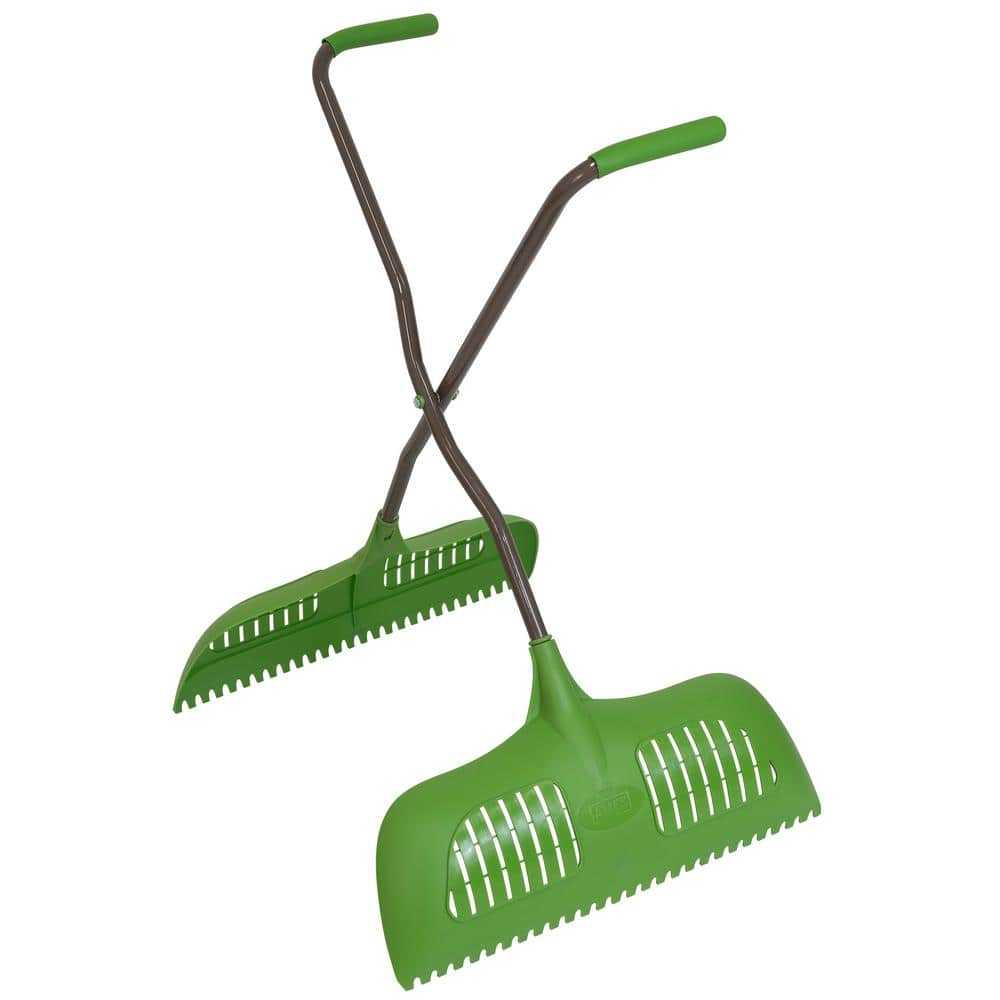
Quick answer: Use a wide rake or leaf blower with a leaf catch bag, and work in dry, sunny conditions to prevent clogging. Clearing wet leaves is tricky, but choosing the right tools and technique can make the job much easier.
Collecting wet leaves without clogging your tools can be a frustrating task, especially after a heavy rain. Wet leaves tend to stick together and clog up rakes, blowers, or vacuums, making cleanup a tedious chore. The key is to use tools designed for damp yard waste, such as wide rakes or leaf blowers equipped with large collection bags, and to time your cleanup during dry weather whenever possible. Additionally, working in the early morning or after a dry spell helps prevent leaves from sticking and clogging your equipment. With a few strategic moves and the right tools, you can efficiently clear wet leaves without the hassle of constant clogging and interruptions.

How to collect wet leaves without clogging tools
Understanding the challenges of collecting wet leaves
Collecting wet leaves can be tricky because they tend to stick together and clog tools like rakes and blowers. Wet leaves are heavy and cling to each other, making them harder to pick up efficiently. Knowing the challenges helps you choose the right method and tools for the job.
Choosing the right tools for wet leaf collection
Selecting tools designed to handle wet leaves is key to preventing clogging. Look for equipment with wider intake openings and durable, flexible parts. Here are some options:
- Leaf Blowers with Wide Openings: Use blowers that have adjustable speed controls and large intake areas.
- Power Rakes or Leaf Vacuums: Choose models with adjustable suction settings for wet debris.
- Garden Scoops and Tarps: Manual tools like wide scoops or tarps can help gather wet leaves without clogging.
Preparing your tools for wet leaf collection
Preparation makes a big difference in how well your tools perform. Clear any debris or leftover material from previous uses. Ensure all parts are clean and in good working order. Lubricate moving parts if necessary to maintain smooth operation.
Techniques for collecting wet leaves effectively
Using proper techniques reduces the risk of clogging and increases efficiency. Here are some practical tips:
Work in small sections
Gather wet leaves in manageable portions to prevent overwhelming your tools. Take your time and focus on small areas to achieve better results.
Adjust blower or vacuum settings
Set blowers and vacuums to lower speeds when dealing with wet leaves. This gentle approach prevents clogging and reduces strain on the equipment.
Use the right angle and motion
Hold blowers at a slight angle to direct leaves into your collection area. Move tools steadily, avoiding quick, jerky motions that can cause blockages.
Strategies for preventing clogging
Prevention is better than fixing clogging issues later. Follow these strategies:
- Keep tools clean and well-maintained: Regularly clear out debris from vents and tubes.
- Use adjustable attachments: Attachments that can be widened or narrowed help manage different leaf conditions.
- Mix wet leaves with dry ones: If possible, combining wet leaves with dry leaves can improve airflow and reduce clogging.
Managing heavy and matted wet leaves
Wet leaves can become very heavy and form mats that are tough to move. Break up dense mats with a garden fork or rake before collecting. This makes it easier for tools to pick them up without jamming.
Alternative methods for wet leaf collection
Sometimes, traditional tools might not be enough. Consider these alternatives:
Using a leaf scoop or tarp
Gather wet leaves onto a tarp or scoop to transport them easily. This method is gentle and reduces clogging risks.
Creating a composting area
Pile wet leaves in a compost bin or heap to decompose naturally. This reduces the need for collection and keeps your tools free from clogging.
Best practices for after collection
Properly handling wet leaves after collection ensures your tools last longer:
- Clean tools immediately after use to remove stuck debris.
- Dry wet equipment before storing to prevent rusting.
- Store tools in a dry place and perform regular maintenance checks.
Safety tips during wet leaf collection
Handling wet leaves can sometimes be slippery or cumbersome. Wear sturdy gloves and waterproof boots to stay safe. Use eye protection if you’re using power tools to prevent debris from bouncing back.
Additional tips for efficient wet leaf collection
- Work during dry parts of the day to reduce moisture levels if possible.
- Plan your collection route to minimize repeated passes over the same area.
- Use a combination of manual and power tools for best results.
Environmental considerations when collecting wet leaves
Remember that leaves are natural mulch and compost material. Whenever possible, recycle or compost wet leaves instead of bagging them. This practice benefits your garden and reduces waste.
Collecting wet leaves without clogging tools requires the right equipment, proper technique, and preventive measures. By choosing appropriate tools and adjusting your approach, you can make the job easier and more efficient. Remember to maintain your tools regularly and consider alternative methods like tarps or composting to handle particularly challenging wet leaves. With a little planning and patience, you can keep your yard tidy without the frustration of clogged tools.
STOP Grass Catcher Clogging!
Frequently Asked Questions
What techniques help prevent clogging when collecting wet leaves with a blower or vacuum?
Use a wide-mouthed attachment or a larger vacuum bag to reduce the chance of clogging. Working slowly and in small sections allows the leaf collection device to handle wet leaves more effectively. Adding a small amount of water or using a damp cloth can help break down the wet leaves, making them easier to vacuum without clogging. Regularly inspecting and clearing the intake area prevents buildup that can cause blockages.
How can I prepare wet leaves to avoid clogging my collection tools?
Before collection, try to break apart wet leaves by raking or chopping them into smaller pieces. Waiting for a less humid time or when leaves are slightly drier can make collection easier. Using a leaf rake to gather wet leaves into manageable piles reduces strain on your tools. Additionally, moistening dry leaves can sometimes make them stick together less, reducing clogging risks.
Are there specific tools or accessories that help prevent clogging when collecting wet leaves?
Yes, using a tool with a larger intake opening or a high-powered leaf blower designed to handle damp material helps prevent clogs. Consider installing a pre-filter or a mesh screen on the intake to catch larger bits of debris and wet leaves before they cause blockages. Equipment with adjustable suction settings can also help you control the airflow based on the moisture levels of the leaves.
What maintenance steps can I take to ensure my leaf collection tools don’t clog frequently?
Regularly clean the intake and nozzle areas to remove residual debris. Check for and clear any obstructions after each use, especially when collecting wet leaves. Lubricate moving parts as recommended by the manufacturer to ensure smooth operation. Keep the filters clean and replace them if they become clogged or damaged. Proper maintenance prolongs the life of your tools and reduces clogging issues.
Can adjusting the speed of my blower or vacuum help with wet leaf collection?
Yes, lowering the suction or airflow speed provides more control when collecting wet leaves, reducing the likelihood of clogging. Running the equipment at a moderate setting allows the tool to handle wet material more effectively. You can then increase the speed gradually if needed, once the leaves are less wet or have been separated into smaller pieces. Experimenting with different settings helps find the best balance for wet leaf collection.
Final Thoughts
To collect wet leaves without clogging tools, use a rake with flexible tines that gently lift leaves without forcing debris into the tool. Avoid heavy-duty blowers that tend to push wet leaves into crevices. Instead, opt for a tarpaulin or leaf bag to gather leaves directly from the ground.
Keep tools clean and clear of stuck leaves to prevent clogging. Work slowly and methodically, especially when dealing with damp foliage. This approach ensures efficient collection and minimizes tool maintenance.
In summary, how to collect wet leaves without clogging tools requires gentle handling and suitable equipment. Focus on using appropriate tools and techniques to keep your cleanup smooth and effective.