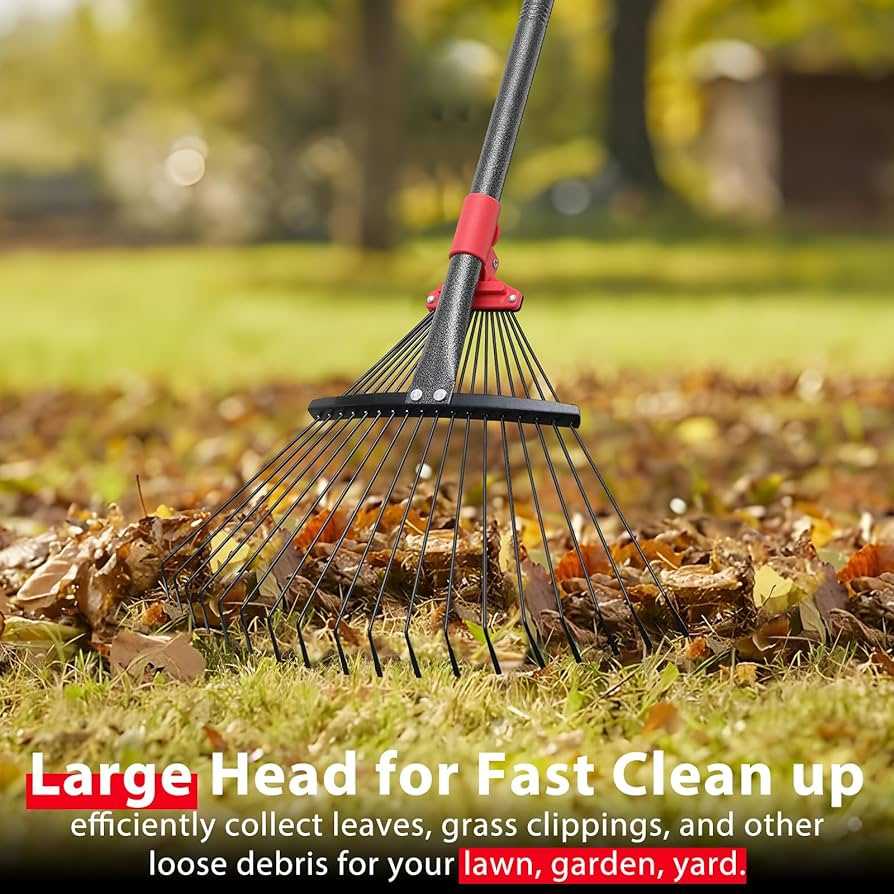
To collect leaves from your lawn efficiently, use a leaf blower or a rake to gather leaves into manageable piles, then bag or compost them. Timing your cleanup after a good wind or a dry spell also makes the task easier, and working in sections prevents you from feeling overwhelmed.
The quickest way to clear your lawn of leaves is by using a leaf blower or a sturdy rake to gather them into piles, followed by collecting and bagging or composting. Working in small sections and choosing the right time can make the process faster and less tedious.
Fallen leaves are a beautiful part of autumn, but they can quickly turn into a chore if not cleaned up properly. A yard full of leaves can smother your grass and invite pests if left unattended for too long. The key to efficient leaf collection is knowing the best tools and timing. Raking can be effective, but for larger lawns, a leaf blower expedites the process by saving time and energy. Additionally, working when the weather is dry prevents leaves from sticking together and makes cleanup smoother. Dividing your yard into sections and tackling one area at a time keeps the task manageable. With the right approach, leaf collection can become a quick, satisfying routine rather than a tedious chore.

How to collect leaves from your lawn efficiently
Understanding the importance of efficient leaf collection
Collecting leaves properly helps keep your lawn healthy and looking tidy. It also prevents leaves from smothering grass or causing mold growth. Learning efficient methods saves time and energy during fall cleanup.
Choosing the right tools for leaf collection
The correct tools make leaf gathering easier and faster. Common options include leaf blowers, rakes, leaf vacuums, and tarps. Select tools based on your lawn size and leaf quantity.
Leaf blowers
Leaf blowers are quick and effective, especially for large lawns. They help blow leaves into piles or onto tarps. Gas-powered blowers provide more power, while electric models are quieter and easier to handle.
Rakes
A sturdy rake is ideal for small lawns or areas with delicate grass. Choose a rake with flexible tines to avoid damaging your lawn. Raking also offers control over where leaves are collected.
Leaf vacuums
Leaf vacuums are excellent for small to medium yards. They can shred leaves into mulch, which can be used as compost. Many models also double as blowers.
Tarps
Using tarps simplifies collecting and removing leaves. Lay the tarp on the ground, rake or blow leaves onto it, then drag the tarp to your compost pile or disposal area.
Best practices for gathering leaves efficiently
Timing is key when collecting leaves. Begin early in the season to avoid overwhelming piles. Work on dry days for easier collection and better results.
Preparing your lawn before collecting leaves
Clear any obstacles such as garden tools, toys, or furniture. Mow your lawn beforehand to make leaf collection less cumbersome and help mulch smaller leaves.
Working in sections
Divide your lawn into manageable sections. Focus on one area at a time, collecting leaves before moving on. This prevents losing track and ensures complete cleanup.
Using a combination of tools
Combine tools for best results. For example, use a rake to gather leaves into a pile, then a leaf blower or vacuum to finish the job quickly.
Techniques for effective leaf collection
Adopt specific techniques to maximize efficiency and minimize effort.
Blowing leaves into piles
Start by blowing leaves toward a central point. This makes collecting easier and faster, especially with a leaf blower. Be gentle to avoid damaging your lawn.
Creating compostable piles
Gather leaves into compost bins or piles for natural decomposition. Mulched leaves can nourish your lawn and garden beds.
Using the wind to your advantage
If the wind blows leaves into your yard, position yourself to catch them into piles. After the wind has settled, finish gathering the remaining leaves.
Timing and seasonal tips
Collect leaves regularly to prevent buildup. Ideally, do it after each windy day or when a significant layer has fallen.
Frequency of leaf collection
In most regions, lawn cleanup occurs weekly during peak fall. Adjust based on leaf drop rate and weather conditions.
Best days for leaf removal
Choose dry, still days for collecting leaves. Wet leaves are heavy and harder to gather, and damp conditions can promote mold.
Storing and disposing of collected leaves
Proper disposal or reuse prevents clutter and benefits your garden.
Composting leaves
Layer leaves with grass clippings or kitchen scraps to create nutrient-rich compost. Turn the pile regularly for faster decomposition.
Mulching leaves for lawn health
Use a mulching mower to shred leaves directly into your yard. Mulched leaves decompose quickly and provide nutrients.
Disposal options
Check local regulations on leaf disposal. Many communities have designated drop-off sites or curbside pickup for yard waste.
Maintaining your tools for ongoing efficiency
Clean and store your tools properly after each use. Sharp blades on mowers and vacuums function better, making future leaf collection smoother.
Cleaning and storing
Remove dirt and debris from tools. Store in a dry, sheltered place to prevent rust and damage.
Replacing worn parts
Change blades or filters as needed to maintain optimal performance. Well-maintained equipment reduces effort and increases effectiveness.
Additional tips to make leaf collection easier
Implement small habits that save you time and effort over the season.
Work during dry weather
Collect leaves when they are dry for easier handling. Wet leaves tend to clog vacuums and are more difficult to rake.
Involving family or neighbors
Turn leaf cleanup into a family activity or neighborly event. It can be quicker and more fun with help.
Setting up a dedicated workspace
Designate a spot for storing leaves or compost piles. Keeping everything organized makes ongoing maintenance more straightforward.
Related topics for a comprehensive lawn care routine
Besides leaf removal, other tasks can improve your yard.
Lawn aeration
Aerating your lawn allows air, water, and nutrients to reach grass roots, promoting healthy growth.
Fertilizing your yard
Proper fertilization helps your grass recover from leaf coverage and keeps it lush.
Regular mowing practices
Keep your grass at the right height to prevent shade and promote strong growth.
Dealing with pests and weeds
Healthy lawns resist pests better; remove weeds early for a cleaner yard.
Tools comparison table
| Tool | Best For | Advantages | Disadvantages |
|---|---|---|---|
| Leaf blower | Large yards, quick collection | Fast, easy to use | Noisy, fuel costs |
| Rake | Small yards, delicate grass | Affordable, controlled | Labor-intensive |
| Leaf vacuum | Medium yards, mulch leaves | Multifunctional, shredding | Expensive, heavy |
| Tarps | Any yard, simple transport | Easy to use, reusable | Requires extra effort to drag |
Final thoughts on efficient leaf collection
Having the right tools and following effective techniques can make leaf cleanup less tedious. Regular maintenance keeps your lawn healthy and dense. Planning ahead and working in sections helps you finish faster.
Stop raking leaves? The tricks to easier leaf clean-up
Frequently Asked Questions
What is the best technique for collecting leaves without damaging your lawn?
Use a rake with flexible tines designed for lawn debris to gently gather leaves without tearing the grass. Avoid pressing too hard, and work in sections to prevent compacting the soil. Regularly clean your rake to keep it effective and minimize disturbance to your turf.
How can a lawn vacuum help in efficient leaf removal?
A lawn vacuum can quickly and effectively pick up large quantities of leaves with minimal effort. Attach the vacuum to your outdoor power equipment, and systematically cover your yard, overlapping passes to ensure no leaves are missed. This method saves time and reduces physical strain compared to raking alone.
What tools are helpful for collecting leaves in tight or awkward spaces?
Use handheld leaf grabbers or small leaf scoops to reach into corners, flower beds, and under bushes. These tools allow you to pick up leaves precisely without disturbing delicate plants or stepping onto moist ground, ensuring a thorough cleanup in difficult areas.
How can mulching leaves benefit my lawn, and what equipment should I use?
Mulching leaves breaks them down into fine particles that nourish your soil. Use a mulching mower or a lawn mower with a mulching attachment to shred leaves directly on your grass. This process reduces waste, enriches your lawn, and minimizes the need for disposal.
Final Thoughts
Pourcollecter efficacement les feuilles de votre pelouse, utilisez un râteau adapté pour rassembler rapidement les débris. Optez également pour un souffleur si vous avez beaucoup de feuilles, ce qui permet de gagner du temps. Pensez à ramasser régulièrement pour éviter qu’elles ne s’accumulent. En suivant ces conseils, vous rendrez cette tâche simple et rapide tout en préservant la santé de votre gazon. How to collect leaves from your lawn efficiently devient ainsi une tâche moins fastidieuse et plus productive.