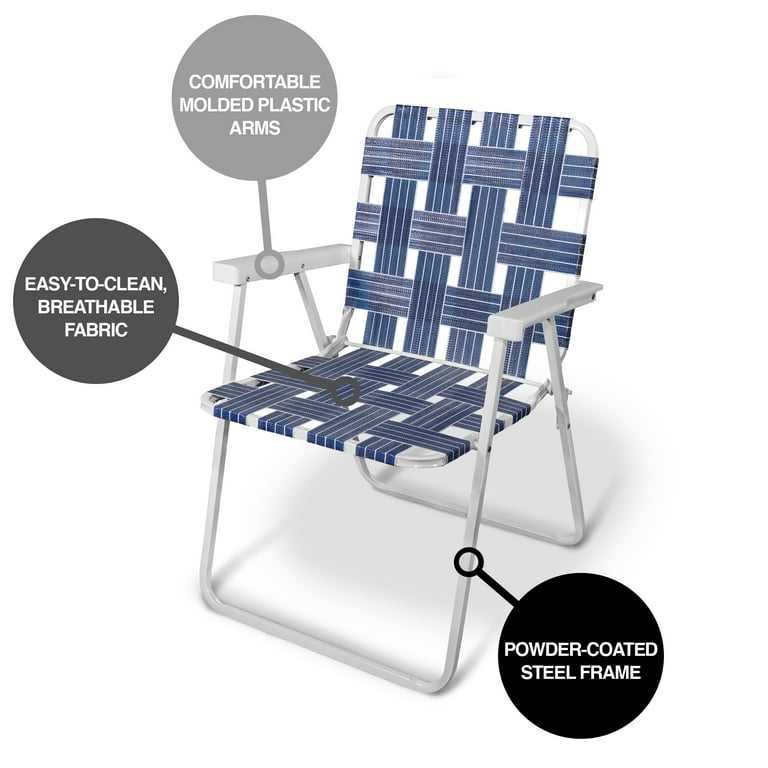
To quickly clean lawn chair webbing, mix a gentle soap solution, scrub with a soft brush, rinse thoroughly, and let it dry. For stubborn stains, use a vinegar-water mixture or a mild bleach solution, but always test first to avoid discoloration. Regular maintenance keeps your chair looking fresh and inviting.
Cleaning lawn chair webbing might seem like a daunting task, but with the right approach, it’s simple and even satisfying. Over time, dirt, mildew, and stains can make your favorite outdoor spot look worn out, but a quick refresh is all it takes to restore its charm. The key is understanding what kind of webbing you have—whether it’s fabric, vinyl, or plastic—and choosing the appropriate cleaning method. No need for harsh chemicals or high-tech tools; just some everyday household items and a little elbow grease. Keep reading for practical tips, easy steps, and expert tricks to make your lawn chair webbing look brand new and ready for summer days!

How to Clean Lawn Chair Webbing
Understanding Lawn Chair Webbing
Lawn chair webbing is usually made from durable materials like polyester, nylon, or PVC strips. These materials are designed to withstand outdoor elements but can still get dirty over time. Dirt, food, spills, and even mold can build up on webbing, making it look worn and unappealing. Recognizing the specific type of webbing in your chair helps choose the best cleaning method.
Gathering the Right Cleaning Supplies
Before starting to clean, collect all necessary supplies. These include:
- Warm water
- Gentle dish soap or fabric cleaner
- White vinegar
- Baking soda
- Soft-bristle brush or sponge
- Microfiber cloths or towels
- Spray bottle
- Bucket
- Garden hose or a spray nozzle
Using eco-friendly and gentle cleaning agents will help preserve the webbing’s integrity and color.
Preparing for Cleaning
Start by removing the lawn chair from outdoor areas. Shake off loose dirt and debris from the webbing with your hands or a soft brush. It is helpful to rinse the webbing with water initially to loosen dirt and make the cleaning process easier.
Basic Cleaning Method for Webbing
For general cleaning, mix a few drops of dish soap in a bucket of warm water. Submerge a sponge or soft-bristle brush into the soapy water. Gently scrub along the webbing, paying extra attention to stained or grimy spots. Rinse thoroughly with clean water to remove soap residue, preventing sticky buildup.
Using Vinegar and Baking Soda for Deep Cleaning
For stubborn stains or mold, a mixture of white vinegar and baking soda works well. Combine one cup of white vinegar with two tablespoons of baking soda in a spray bottle. Spray the mixture onto the webbing, and let it sit for 10-15 minutes. Gently scrub with a brush and rinse thoroughly. This natural solution also acts as a disinfectant.
Removing Mold and Mildew
Mold appears as dark spots and can be harmful if not cleaned properly. Mix equal parts white vinegar and water in a spray bottle. Spray generously on mold-affected areas. Let it sit for at least 30 minutes. Use a soft brush to scrub the mold away and rinse with water. Repeat if necessary, ensuring all mold is gone.
Cleaning Sticky or Stained Webbing
Sticky residues and stains may require a stronger solution. Create a cleaning paste using baking soda and a small amount of water. Apply this paste directly onto stains and leave for 10 minutes. Gently scrub with a brush, then rinse with clean water. For oily stains, a mixture of dish soap and warm water often works best.
Rinsing and Drying the Webbing Properly
After cleaning, rinse all soap and cleaning solutions thoroughly with water. Any leftover residue can attract more dirt later. Shake off excess water and pat the webbing with a dry towel. For best results, dry the webbing in the sun, which helps eliminate any remaining bacteria or mold. Avoid leaving the webbing damp, as it can cause mold growth.
Additional Tips for Maintaining Webbing
Regular maintenance keeps webbing looking new. Clean your lawn chair webbing at least once a season or after heavy use. Protect it from further dirt and moisture by storing it in a covered area during off-season months. Applying a fabric protector spray can also prevent stains and water damage.
Preventative Care Tips
- Cover your lawn chair when not in use to prevent dirt buildup.
- Store in a dry, shaded place to reduce mold growth.
- Wipe the webbing with a damp cloth regularly to remove dust and dirt.
- Attend to stains promptly to prevent them from setting in.
Proper care extends the life of your lawn chair webbing and keeps it looking fresh.
Related Topics to Explore
- How to clean outdoor fabric cushions
- Best ways to protect outdoor furniture from weather damage
- DIY cleaning solutions for patio furniture
- When to replace webbing on lawn chairs
Cleaning lawn chair webbing effectively involves understanding the material, gathering the right supplies, and following a careful cleaning process. Regular maintenance prevents stains and mold, helping your lawn chair stay in top shape for many seasons. Using gentle, natural solutions like vinegar and baking soda ensures a deep clean without damaging the webbing, keeping your outdoor space inviting and clean.
How to Re-Web Any Lawn Chair. EASY DIY INSTRUCTIONS
Frequently Asked Questions
What is the best way to remove stains from lawn chair webbing?
To effectively remove stains from lawn chair webbing, start by mixing a solution of mild dish soap and warm water. Use a soft brush or sponge to gently scrub the stained areas, applying the solution directly to the webbing. For stubborn stains, let the mixture sit for a few minutes before scrubbing. Rinse thoroughly with clean water and allow the webbing to air dry completely to prevent mold or mildew growth.
How can I prevent mold and mildew from forming on lawn chair webbing?
Prevent mold and mildew by keeping your lawn chair webbing dry and in a well-ventilated area. After each use, wipe off any moisture and store the chair indoors or in a covered space. Applying a mixture of vinegar and water periodically can help inhibit mold growth. Additionally, ensure the webbing is completely dry before storing it for extended periods to protect it from damp conditions that promote mold.
Are there specific cleaning products safe for lawn chair webbing?
Yes, gentle cleaning products like mild dish soap or a mixture of vinegar and water work well for cleaning webbing without damaging the material. Avoid harsh chemicals or bleach, as they can weaken or discolor the webbing fibers. For thorough cleaning, test any cleaner on a small, inconspicuous area first to ensure it does not cause damage or discoloration.
Final Thoughts
To clean lawn chair webbing effectively, start by removing loose dirt with a brush. Mix mild soap with warm water and gently scrub the webbing using a soft cloth or sponge. Rinse thoroughly with clean water and let it air dry.
Knowing how to clean lawn chair webbing helps keep your outdoor furniture looking fresh and prolongs its lifespan. Regular cleaning prevents dirt buildup and stains, making maintenance easier. Consistent care ensures your lawn chair remains comfortable and inviting for years to come.