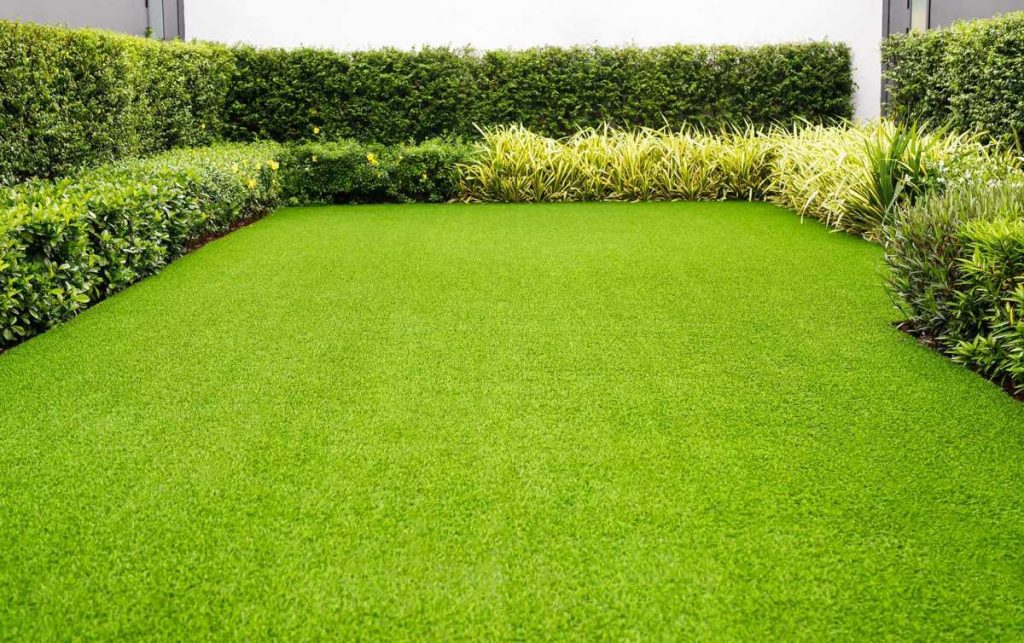
To quickly clean grass from your garden, start by raking away the excess lawn clippings and debris, then use a lawn edger or trimmer to tidy up the edges. For stubborn patches, applying a selective weed killer or manually removing unwanted grass ensures a neat look. Regular mowing and aeration also help keep your garden tidy and healthy.
Cleaning grass out of your garden might sound daunting, but with a few simple steps, you can restore its beauty in no time. First, gather your tools, like a rake and lawn edger. Remove any loose grass clippings and debris to clear the area. Use a trimmer or edger along borders and hard-to-reach spots to define your garden’s edges. For persistent patches of unwanted grass, manual removal or targeted weed killers work wonders. Consistent maintenance practices, like mowing at the right height and aerating your soil, will prevent overgrowth and keep your garden looking pristine. Whether you’re preparing for a special event or just want a tidy space, these easy tips will help you achieve a clean and inviting garden.

How to Clean Grass in Garden: A Complete Guide
Keeping your garden grass clean and healthy is key to a vibrant outdoor space. Dirt, debris, and weeds can make your lawn look dull and unkempt. Regular cleaning and maintenance can make a big difference in the appearance and health of your grass.
Understanding the Importance of Cleaning Your Garden Grass
Cleaning your grass helps prevent the buildup of dead leaves, dirt, and other debris that can suffocate the grass and hinder growth. It also reduces the risk of pests and diseases that thrive in damp and dirty environments.
Proper cleaning promotes better air circulation and allows nutrients to reach the grass roots more effectively. This results in a greener, healthier lawn that can withstand weather changes and foot traffic.
Tools and Equipment Needed for Cleaning Grass
- Grass rake or spring tine rake
- Leaf blower or garden vacuum
- Garden scissors or shears
- Hedge trimmer (for trimming overgrown grass)
- Water hose or sprinkler system
- Mulcher or compost bin (for debris disposal)
Having the right tools will make the cleaning process easier and more effective. Choose tools that are gentle on the grass to avoid damage.
Steps for Cleaning Your Garden Grass Effectively
1. Remove Dead Leaves and Debris
Start by using a leaf blower or garden vacuum to clear away all loose leaves, twigs, and debris. This will prepare the lawn for further cleaning and aeration.
Use a rake with flexible tines to catch stubborn debris that the blower might miss. Always work gently to avoid breaking the grass blades.
2. Mow the Grass Properly
Set your mower to the appropriate height for your grass type. Typically, keep the grass about two to three inches tall.
Regular mowing prevents overgrowth, which can hide debris and promote pests. Mow evenly and avoid cutting more than one-third of the grass height at a time.
3. Aerate the Lawn
Aeration involves perforating the soil with small holes to improve air, water, and nutrient penetration. Use a garden fork or a mechanical aerator for larger lawns.
This process helps loosen compacted soil, promoting healthy grass roots and reducing thatch buildup.
4. Remove Weeds and Unwanted Plants
Identify weeds and pull them out carefully, making sure to remove the roots to prevent regrowth. Use a weeding tool for precision, especially in tight spaces.
Applying a weed control solution can also prevent future weed growth, but choose eco-friendly options to protect your grass and other plants.
Additional Cleaning Techniques for a Healthy Lawn
Watering the Grass
Consistent watering is essential to keep your grass clean and lush. Water deeply early in the morning or late in the evening to minimize evaporation.
Ensure the soil stays moist but not waterlogged, which can promote disease and root rot.
Fertilizing for Better Growth
Applying fertilizer provides essential nutrients for healthy grass development. Use a balanced fertilizer suited for your grass type.
Follow the recommended application rates and timings to avoid overfeeding, which can lead to weak growth.
Using Organic Mulch and Compost
Apply a thin layer of organic mulch around the grass edges or in bare spots. This helps retain moisture, suppress weeds, and add nutrients to the soil.
Compost can be spread over the lawn to improve soil health and encourage vigorous grass growth.
Maintaining a Clean and Beautiful Lawn
| Task | Frequency | Tips |
|---|---|---|
| Removing debris | Weekly | Use a leaf blower or rake for quick cleanup |
| Mowing | Once a week | Adjust height according to season and grass type |
| Aerating | Every 1-2 years | Best done in early spring or fall |
| Weeding | As needed | Remove weeds before they seed |
| Watering | 2-3 times per week | Deep watering encourages strong roots |
Common Mistakes to Avoid When Cleaning Grass
- Cutting the grass too short, which can stress the lawn
- Overwatering, leading to disease and fungus
- Using harsh chemicals or pesticides unnecessarily
- Ignoring the importance of aeration and dethatching
- Waiting too long between cleanings, causing buildup of debris and pests
Related Topics to Enhance Your Lawn Care Routine
- How to prevent lawn pests and diseases
- Best grass types for your climate
- Organic lawn care tips
- DIY lawn fertilizer recipes
- Seasonal lawn maintenance checklist
Incorporating these cleaning techniques into your regular gardening routine helps maintain a lush, green, and inviting lawn. Regular attention to debris removal, mowing, aeration, and fertilization ensures your grass stays healthy and beautiful year-round. Remember, a clean garden set the foundation for a thriving outdoor space to enjoy with family and friends.
How to clean your turf properly #turf #clean #cleaning #turfgrass #problemsolved
Frequently Asked Questions
What tools are effective for removing grass clippings from a garden bed?
Using a rake with flexible tines helps gather grass clippings efficiently without damaging your plants. A leaf blower can also blow grass debris away from flower beds and pathways, making cleanup quicker. For smaller areas, handheld garden vacuums work well to suck up grass remnants without disturbing the soil excessively.
How can I prevent grass from spreading into unwanted areas?
Install edging or borders around your lawn to create a physical barrier that keeps grass from encroaching into flower beds or pathways. Regularly trimming the edges with a garden trimmer maintains a clean separation. Applying a mulch layer along borders also discourages grass from creeping into those zones.
What methods help in removing thick patches of grass from the garden?
Manual removal with a spade or garden fork works best for thick patches, especially if the grass has taken root deeply. For larger areas, a sod cutter makes the process faster by slicing out the dense grass layer. After removal, consider replacing the soil or reseeding to restore your garden’s appearance.
How can I dispose of grass clippings responsibly?
Composting grass clippings allows you to create nutrient-rich soil for your garden. Ensure the clippings are dry and added in balanced layers to prevent matting. Alternatively, check if local green waste facilities accept grass debris for recycling or composting to keep your disposal eco-friendly.
Final Thoughts
To clean grass in garden effectively, start by removing debris and dead grass with a rake. Use a garden hoe to loosen compacted soil, promoting healthy growth. Regular watering and mowing keep the grass tidy and encourage lushness.
Consistent care ensures your garden remains inviting. Knowing how to clean grass in garden helps maintain its beauty with minimal effort. Proper cleaning techniques support vibrant, healthy grass all year round.