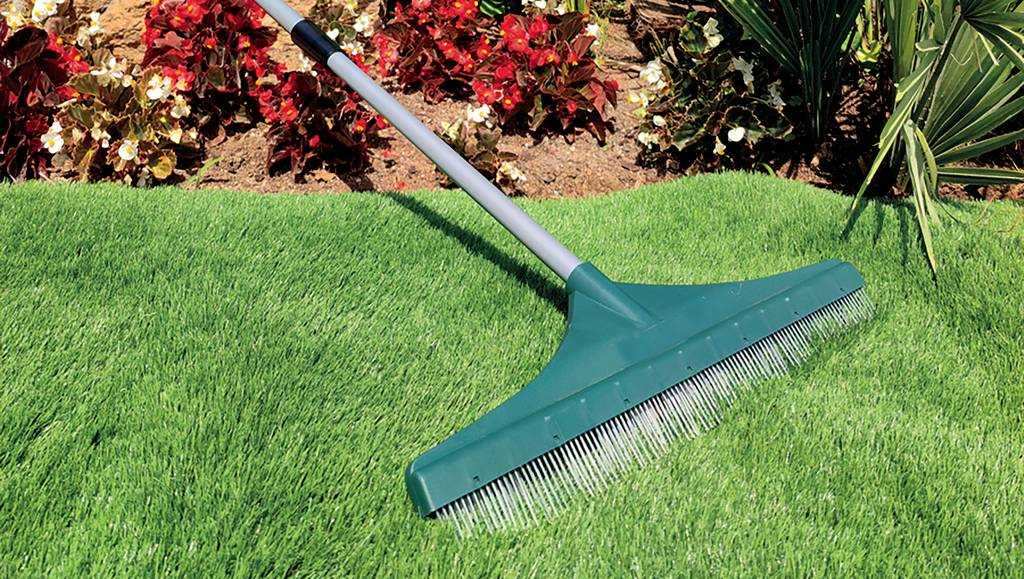
To clean fake lawn effectively, start by removing debris with a leaf blower or rake, then rinse it with a garden hose to wash away dust and dirt. For stubborn stains or moss, scrub gently with a mixture of vinegar and water, or use a specialized turf cleaner. Regular maintenance keeps your fake grass looking lush and vibrant.
Keeping fake lawn pristine is easier than you think. With a little routine care, you can maintain its fresh appearance and extend its lifespan. First, clear away leaves, twigs, and other debris using a leaf blower or a stiff broom. Rinse the surface with water to remove dust, and for tougher spots, a gentle scrub with a vinegar solution will do the trick. Avoid harsh chemicals that could damage the fibers. Regular upkeep will ensure your artificial turf stays inviting and beautiful, giving your outdoor space a consistently vibrant look.

How to Clean Fake Lawn: A Complete Guide to Keep Your Artificial Grass Looking Fresh
Cleaning fake lawn is essential to maintain its appearance and longevity. Unlike natural grass, artificial turf doesn’t need watering or mowing, but it does require regular cleaning. Proper maintenance helps prevent odors, keeps the surface looking natural, and extends its lifespan.
Understanding the Composition of Fake Lawn
Artificial grass is made of synthetic fibers, typically polyethylene or polypropylene, supported by a backing material. It’s designed to mimic real grass but doesn’t have natural soil or microorganisms that break down debris. This means it can accumulate dirt, leaves, pet waste, and grime over time.
Knowing what your fake lawn is made of helps choose the best cleaning methods. It’s important to avoid harsh chemicals that could damage the fibers or backing material.
Routine Maintenance for Fake Lawn
Regularly removing debris is key to keeping your fake lawn looking fresh. This includes picking up leaves, twigs, and trash that land on the surface. A leaf blower or a garden vacuum can make this task faster and easier.
Raking the turf gently with a broom or a soft brush helps to loosen dirt and prevent surface compaction. This also keeps the blades upright and looking natural.
Removing Leaves and Debris
Leaves can cause mold and unpleasant odors if left on the surface for too long. Use a leaf blower for large areas or a plastic rake for more control. Avoid metal rakes, as they can damage the fibers.
For small debris, a handheld brush or broom works well. Always brush in the direction of the grass fibers to prevent tangling or damage.
Cleaning Pet Waste and Odors
Handling Pet Waste
Immediately remove solid pet waste using a plastic bag or scoop. Dispose of waste properly and rinse the area with water to wash away residues.
Deodorizing the Surface
Sprinkle a mixture of baking soda and water over the affected area. Let it sit for 15 minutes before rinsing with water. This helps neutralize odors naturally without harsh chemicals.
For persistent smells, use a pet-safe enzyme-based cleaner specifically designed for artificial turf. Always follow the manufacturer’s instructions for safe use.
Cleaning Stains and Spills
Spills like juice or wine should be cleaned immediately to prevent staining. Use a mixture of mild soap and water for most stains. Apply with a sponge or cloth and rinse thoroughly with water.
For oil-based stains, an industrial cleaner formulated for synthetic surfaces can be used. Test any cleaning product on a small, inconspicuous area first.
Deep Cleaning Your Fake Lawn
Periodic Power Washing
A gentle power wash can remove embedded dirt and refresh the surface. Use a low-pressure setting to avoid damaging the fibers or backing. Keep the nozzle at a safe distance of about 12 inches from the surface.
Be sure to rinse thoroughly to remove any soap residue, which can attract more dirt if left behind.
Applying Turf Cleaners
Specialized turf cleaners can help deep clean and sanitize your artificial grass. Follow the manufacturer’s instructions carefully for dilution and application. Usually, these products are sprayed on and brushed in for best results.
Preventive Measures to Keep Fake Lawn Clean
Installing windbreaks or barriers can reduce the amount of leaves and debris falling onto the turf. Regularly inspecting and maintaining nearby trees and bushes also helps.
Using pet-friendly mats at entrances can prevent mud and dirt being tracked onto the turf. Encouraging pets to avoid digging or scratching helps preserve the surface’s appearance.
Dealing with Moss and Algae Growth
Moss and algae can grow in damp or shaded areas of your fake lawn. To remove them, use a mixture of water and a gentle, biodegradable cleaner. Scrub lightly with a soft brush and rinse thoroughly.
Ensuring good drainage and sunlight exposure reduces moisture retention, preventing moss buildup in the future.
Extending the Lifespan of Your Fake Lawn
Proper cleaning and maintenance can significantly prolong the life of artificial turf. Regularly removing debris, cleaning stains promptly, and deep cleaning when needed keeps the grass looking new.
Properly stored equipment and using the right cleaning products prevent unnecessary damage. Follow manufacturer instructions for any cleaning or treatment products used.
Additional Tips for Maintaining Your Fake Lawn
- Inspect the surface periodically for loose or damaged fibers and repair them as needed.
- Use artificial grass-specific deodorizing products to control odors.
- Keep heavy furniture off the turf to avoid crushing the fibers.
- Avoid using harsh chemicals or abrasive tools that could damage the surface.
Related Topics to Consider
How to Repair Damaged Fake Lawn
Small tears or worn patches can be repaired with turf adhesive and patches. For larger damages, consider hiring a professional.
Choosing the Right Cleaning Supplies
Opt for biodegradable, turf-safe cleaning products. Avoid bleach and strong acids that can degrade synthetic fibers.
Seasonal Maintenance Tips
Prepare your artificial grass for winter by removing fallen leaves and debris more frequently. In summer, rinse the turf regularly to wash away dust and pollen.
Keeping your fake lawn clean not only improves its appearance but also extends its usability for many years. With consistent care, you’ll enjoy a lush look without the maintenance demands of natural grass.
Cleaning artificial grass – the correct way. #artificialgrass #diy #cleaning #turf
Frequently Asked Questions
What is the best way to remove debris and leaves from fake grass?
Use a leaf blower or a garden vacuum to clear away leaves and loose debris regularly. For stubborn dirt or small objects, you can also brush the surface with a stiff broom or a rake designed for artificial turf. Regular cleaning prevents the buildup of debris that can affect the appearance and drainage of your fake lawn.
How can I clean pet stains and odors from my artificial turf?
Start by removing solid waste and rinsing the affected area with water. For urine or other odors, dilute a mild soap or turf-specific cleaner with water and scrub the area gently with a soft brush. Rinse thoroughly with water afterward. For persistent odors, you can apply a mixture of water and vinegar or use enzymatic cleaners designed for pet odors.
What maintenance steps help keep fake grass looking fresh and clean?
Regularly brush the turf with a nylon brush to prevent matting and help restore the blades’ upright position. Rinse the surface with water to remove dust, pollen, and other accumulations. Periodically inspect and remove any embedded debris or moss and check the infill levels, topping up if necessary. Keeping up with these steps ensures your artificial grass stays vibrant and well-maintained.
Final Thoughts
To clean fake lawn effectively, start by removing debris such as leaves and twigs with a leaf blower or a rake. Next, rinse the surface with water to wash away dust and dirt. For stubborn stains, use a mild soap solution and scrub gently with a soft brush.
Regular maintenance keeps your fake lawn fresh and vibrant. Avoid harsh chemicals that can damage the fibers and always ensure proper drainage after cleaning.
In conclusion, learning how to clean fake lawn involves routine cleaning and gentle care. This approach helps maintain its appearance and longevity, ensuring your artificial grass stays clean and inviting.