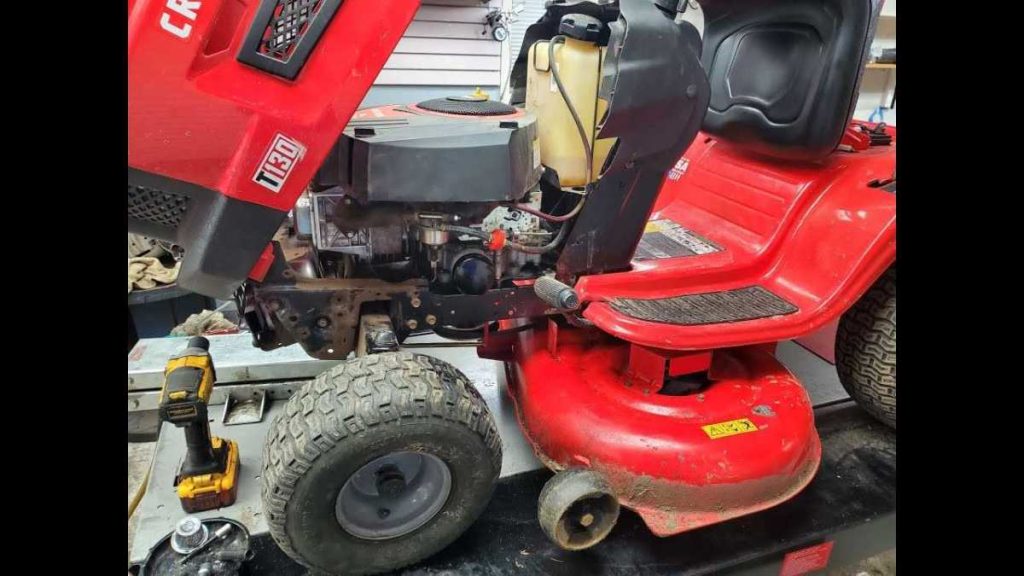
To clean the carburetor on your Craftsman riding lawn mower, start by disconnecting the spark plug, draining the fuel, removing the carburetor, and then soaking it in carburetor cleaner. Use a brush and compressed air to clear any debris from the jets and passages before reassembling.
If your mower is experiencing rough idling, difficulty starting, or poor performance, a thorough carburetor cleaning can make a big difference. This process involves removing the carburetor, cleaning out dirt and deposits, and ensuring all jets and passages are clear for optimal fuel flow. With a few basic tools and some patience, you can restore your mower’s efficiency without a trip to the repair shop. Regular maintenance helps keep the engine running smoothly and extends the lifespan of your equipment. Let’s walk through the steps so you can quickly get your mower back in action.

How to Clean Carburetor on Craftsman Riding Lawn Mower
Cleaning the carburetor on your Craftsman riding lawn mower is essential for keeping it running smoothly and efficiently. A dirty or clogged carburetor can cause issues such as poor engine performance, difficulty starting, or the mower stalling unexpectedly. This guide will walk you through each step of the process, making it easy to understand and follow.
Understanding the Role of the Carburetor
The carburetor mixes air and fuel before sending it to the engine. If this mixture is off because of dirt or debris, the engine cannot run properly. Regular cleaning helps maintain the right balance, ensuring your mower starts easily and runs smoothly.
Tools and Supplies You Need
Before starting, gather these essential tools and supplies:
- Socket set or wrenches
- Screwdriver (flathead and Phillips)
- Carburetor cleaner spray
- Wire brush or old toothbrush
- Needle nose pliers
- Cleaning rags or paper towels
- Container for soaking parts (optional)
Having these ready makes the cleaning process quicker and more effective.
Preparing Your Mower for Cleaning
First, ensure the mower is turned off and the spark plug wire is disconnected to prevent accidental starting. Next, turn off the fuel valve or drain the fuel from the tank to avoid spills while working. It’s also helpful to clean around the carburetor area to prevent dirt from falling inside during disassembly.
Locating and Removing the Carburetor
On Craftsman riding mowers, the carburetor is typically mounted on the engine, attached to the air filter and fuel lines. Use a wrench or socket to disconnect the air filter housing and remove any screws holding it in place. Carefully detach the carburetor from the mounting bracket, taking note of how the fuel and throttle linkages are connected.
Handling the Fuel Lines and Linkages
When removing the carburetor, gently disconnect the fuel line using needle nose pliers. Be prepared for some fuel spillage, so have a rag handy. Also, disconnect throttle and choke linkages gently to prevent damage.
Disassembling the Carburetor
Once removed, place the carburetor on a clean surface. Remove the float bowl by unscrewing its bolts. Inside, you’ll find jets, float, and needle valve. Take care to keep small parts organized to avoid losing them.
Cleaning the Carburetor Parts
Spray carburetor cleaner into all passages, jets, and chambers. Use a wire brush or old toothbrush to scrub away dirt and varnish. Soaking metal parts in carburetor cleaner can help remove stubborn deposits. Avoid damaging delicate components during cleaning.
Inspecting for Damage and Wear
Check all parts for cracks, corrosion, or excessive wear. Replace any worn or damaged components, especially jets and the needle valve. A well-maintained carburetor will ensure better fuel efficiency and engine performance.
Reassembling the Carburetor
After cleaning, reassemble the carburetor in the reverse order. Ensure all jets and float are securely in place and that all screws are tightened properly. Do not overtighten, as this can crack plastic parts.
Reinstalling the Carburetor
Reconnect the carburetor to the mounting bracket, fuel line, and linkages carefully. Make sure all connections are tight and secure. Reinstall the air filter housing and tighten screws properly.
Testing the Mower After Cleaning
Refill the fuel tank if you drained it earlier. Reconnect the spark plug wire, start the mower, and observe its performance. It should run smoother, start more easily, and stall less frequently.
Tips for Maintaining Your Carburetor
To keep your carburetor in top shape, consider these maintenance tips:
- Use fresh, clean fuel regularly
- Replace fuel filters as recommended
- Perform routine inspections and cleaning annually or after every mowing season
- Store the mower in a dry, clean place to prevent corrosion
Consistent maintenance helps avoid costly repairs and keeps your mower running like new.
Common Problems and Troubleshooting
If your mower still doesn’t run properly after cleaning:
- Check for clogged fuel lines or filters
- Ensure the carburetor jets are not blocked
- Inspect the spark plug for fouling or wear
- Adjust the carburetor screws to improve fuel mixture if necessary
Addressing these issues can often resolve most performance problems related to the carburetor.
Additional Resources and Tips
Refer to your Craftsman mower’s manual for specific details on carburetor parts and assembly. Watching online tutorials or videos can also provide visual guidance. Remember, patience and careful handling ensure the best results when cleaning your carburetor.
Applying these detailed steps will help you maintain a well-performing Craftsman riding lawn mower. Regular cleaning and inspection of the carburetor can extend the lifespan of your mower and make yard work easier and more efficient.
How remove and clean a carburetor on a riding lawn mower.
Frequently Asked Questions
What are the signs that indicate my carburetor needs cleaning on my Craftsman riding lawn mower?
If your mower starts but runs unevenly, stalls frequently, or has difficulty starting, these can point to carburetor issues. Additionally, if you notice the engine running rough or experiencing poor acceleration, it’s likely time to clean the carburetor to restore proper fuel flow and performance.
What safety precautions should I take before cleaning the carburetor on my Craftsman mower?
Before cleaning, turn off the engine and disconnect the spark plug wire to prevent accidental starting. Allow the engine to cool completely to avoid burns. Also, work in a well-ventilated area and wear gloves and eye protection to stay safe from fuel fumes and debris.
What tools and materials do I need to clean the carburetor effectively?
You will need basic tools such as screwdrivers, pliers, and a wrench set. Obtain carburetor cleaner spray, a clean cloth, and possibly a small brush or toothbrush for scrubbing. Having a new gasket or seal kit on hand might help if you need to replace any worn parts during cleaning.
How do I remove the carburetor from my Craftsman riding lawn mower?
Start by removing the air filter assembly to access the carburetor. Use appropriate tools to disconnect fuel lines and throttle linkages carefully. Once all connections are detached, unscrew the mounting bolts and gently lift the carburetor out of the engine. Keep track of all parts and screws for reassembly.
What are the steps to clean the carburetor thoroughly?
Remove any remaining fuel from the carburetor and spray the internal parts with carburetor cleaner. Use a brush to scrub away any deposits or varnish build-up. Pay attention to jets and passages, ensuring they are free of obstructions. After cleaning, reassemble the carburetor and check for proper installation before reconnecting to the mower.
Final Thoughts
Cleaning the carburetor on your Craftsman riding lawn mower is simple and effective. First, disconnect the spark plug to ensure safety. Remove the carburetor and inspect it for dirt or clogs. Use a carburetor cleaner spray to clear out any debris and ensure smooth fuel flow.
Reassemble the parts carefully, and reconnect the spark plug. Regular maintenance like this keeps your mower running efficiently. Knowing how to clean carburetor on craftsman riding lawn mower helps avoid costly repairs. Follow these steps to keep your mower in top condition.