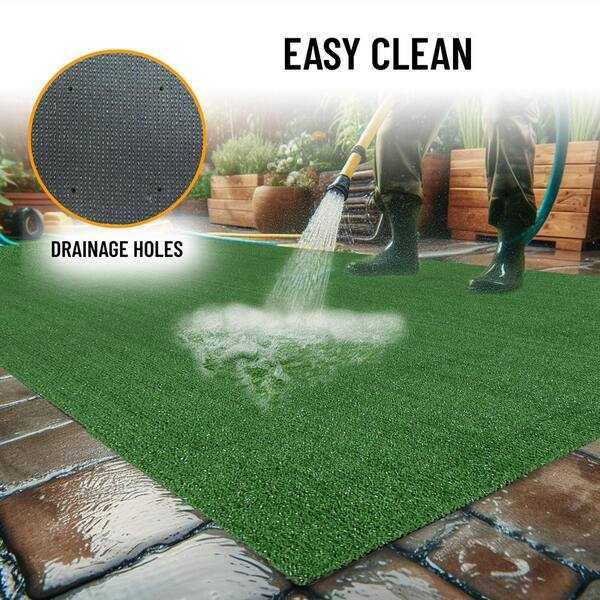
To keep indoor artificial grass spotless, regularly sweep away debris, use a mild soap solution for stains, and rinse with water to maintain its lush appearance. For quick fixes, vacuum and spot clean with gentle cleaning agents, ensuring the turf stays fresh and vibrant. A little upkeep goes a long way in preserving the look and feel of your indoor grass area!
Cleaning artificial grass indoors might seem tricky, but with the right approach, it’s simple and effective. Regular maintenance is key—removing dust and dirt with a broom or vacuum, spot cleaning stains with mild soap, and rinsing with water when needed will keep your artificial turf looking like new. It’s important to avoid harsh chemicals that can damage the fibers, sticking instead to gentle cleaners and natural solutions. Whether it’s for a home gym, play area, or decor, a bit of routine care will ensure your indoor grass remains clean, fresh, and inviting all year round. Plus, a well-maintained turf creates a healthier and more attractive environment for everyone who uses it.

How to Clean Artificial Grass Indoors
Cleaning artificial grass inside your home keeps it looking fresh and helps maintain its quality. Unlike outdoor turf, indoor artificial grass needs special attention to dirt, dust, and spills. This guide will walk you through the most effective ways to keep your indoor artificial grass clean and spotless.
Understanding the Composition of Indoor Artificial Grass
Indoor artificial grass is made of synthetic fibers and a backing material. It is designed to resemble natural grass but with added durability for indoor use. Knowing its structure helps you choose the right cleaning methods that won’t damage the fibers or backing.
Regular Maintenance for Indoor Artificial Grass
Routine cleaning prevents dirt buildup and keeps your turf looking vibrant. You should vacuum your indoor grass at least once a week. Use a soft-bristled brush to gently sweep the fibers in different directions.
Vacuuming the Grass
Vacuuming removes loose dust, pet hair, and small debris. Make sure to set your vacuum to a gentle setting to avoid damaging the fibers. For areas with pets, more frequent vacuuming may be needed.
Brushing the Grass
Use a soft brush or broom to lift flattened fibers and restore the turf’s natural appearance. Brush in the direction of the fiber growth and avoid harsh scrubbing.
Deep Cleaning Techniques for Indoor Artificial Grass
Deep cleaning helps eliminate stubborn stains, odors, and accumulated dirt. These methods should be performed monthly or as needed, depending on use.
Spot Cleaning Stains and Spills
For liquid spills, blot immediately with a clean cloth. Use mild soap diluted in water to treat stains like juice or wine. Apply the solution with a soft cloth and rinse with clean water.
Removing Odors
Sprinkle baking soda over the turf and let it sit for about 15 minutes. Vacuum thoroughly to remove the baking soda and odor residues. This method effectively neutralizes unpleasant smells caused by pets or spills.
Cleaning and Sanitizing Artificial Grass Indoors
Sanitization keeps the turf hygienic, especially in homes with pets or young children. Use natural or chemical disinfectants sparingly to avoid damage.
Using Mild Disinfectants
A solution of one part white vinegar to three parts water works well for disinfecting. Spray lightly over the grass and allow it to air dry. Avoid harsh chemicals unless recommended by the turf manufacturer.
Dealing with Pet Waste
Remove solid waste promptly with a paper towel or plastic bag. Spray the area with the vinegar solution or an enzymatic cleaner designed for pet accidents. Rinse with water to remove residues.
Addressing Dust and Allergens
Indoor artificial grass can trap dust and allergens that circulate in your home. Regular cleaning reduces allergy symptoms and improves air quality.
Vacuuming Effectively
Vacuum at least once a week, focusing on corners and edges where dust tends to settle. Use a HEPA filter vacuum for best results.
Wiping Down with Damp Cloths
For surface dust, wipe with a damp microfiber cloth. Avoid excess water to prevent mold growth beneath the turf backing.
Handling Specific Stains and Substances
Some substances require special treatment to avoid permanent damage to your artificial grass.
Removing Food and Drink Stains
- Blot the spill immediately with a clean cloth or paper towel.
- Apply a mild soap solution or a mixture of water and vinegar.
- Rinse thoroughly with clean water and let dry.
Handling Mold or Mildew
If you notice mold, mix a solution of water and white vinegar or a mild antifungal cleaner. Spray on affected areas and scrub lightly with a soft brush. Rinse and allow to dry thoroughly.
Tools and Products for Effective Indoor Artificial Grass Cleaning
Using the right tools and cleaning products ensures safety and effectiveness. Here are some recommended items:
| Tools | Purpose |
|---|---|
| Vacuum cleaner with soft brush attachment | Remove dust and debris |
| Soft-bristled broom or brush | Restoring fiber alignment |
| Microfiber cloths | Wiping and cleaning surfaces |
| Spray bottles | Applying cleaning solutions |
| Mild soap, white vinegar, baking soda | Cleaning, deodorizing, and disinfecting |
Precautions and Tips for Safe Cleaning
Always test cleaning solutions on a small hidden area to prevent damage. Avoid harsh chemicals and abrasive tools that can harm synthetic fibers. Allow the grass to dry thoroughly after cleaning to prevent mold growth.
Additional Tips for Maintaining Indoor Artificial Grass
- Keep shoes or heavy objects off the turf to prevent flattening fibers.
- Address spills quickly to reduce staining and odors.
- Use protective mats at entrances to minimize dirt transfer.
- Regularly rotate and brush the turf to keep it looking even and fresh.
Maintaining indoor artificial grass with regular cleaning and proper care can extend its lifespan and keep it looking great. Implementing these cleaning steps makes your turf a clean, healthy, and attractive addition to your home decor.
Cleaning artificial grass – the correct way. #artificialgrass #diy #cleaning #turf
Frequently Asked Questions
What is the best way to remove dust and dirt from indoor artificial grass?
To remove dust and dirt from indoor artificial grass, start by sweeping or vacuuming the surface thoroughly. Use a broom with soft bristles or a vacuum cleaner with a brush attachment to lift debris without damaging the fibers. For stubborn dirt, dampen a mop or cloth with water and gently wipe the surface. Avoid harsh chemicals that can harm the grass fibers or backing. Regular cleaning maintenance helps keep your artificial grass looking fresh and clean.
How can I eliminate pet odor from indoor artificial grass?
To manage pet odors on indoor artificial grass, sprinkle baking soda evenly over the surface and let it sit for about 15-20 minutes. Afterward, vacuum the area thoroughly to remove the baking soda along with any residual odors. If odors persist, prepare a cleaning solution with mild soap and warm water, then gently scrub the surface using a soft-bristle brush. Rinsing with clean water and allowing the grass to air dry helps naturally eliminate lingering smells.
What techniques are effective for disinfecting artificial grass indoors?
For disinfecting indoor artificial grass, mix a solution of equal parts water and white vinegar or use a gentle disinfectant spray suitable for synthetic materials. Spray evenly over the surface and allow it to sit for a few minutes. Wipe or rinse with clean water to remove any residue. Regular disinfection prevents bacteria buildup and maintains a hygienic environment on your artificial grass.
Final Thoughts
To summarize, keeping artificial grass indoors clean is simple with regular maintenance. Use a soft brush or broom to remove dust and debris gently. For stains, mix mild detergent with water and scrub lightly.
Regular vacuuming helps pick up dirt and pet hair effectively. Avoid harsh chemicals that could damage the grass fibers.
Knowing how to clean artificial grass indoors ensures your space stays fresh and inviting. Consistent care prolongs its lifespan and maintains its appearance effortlessly.