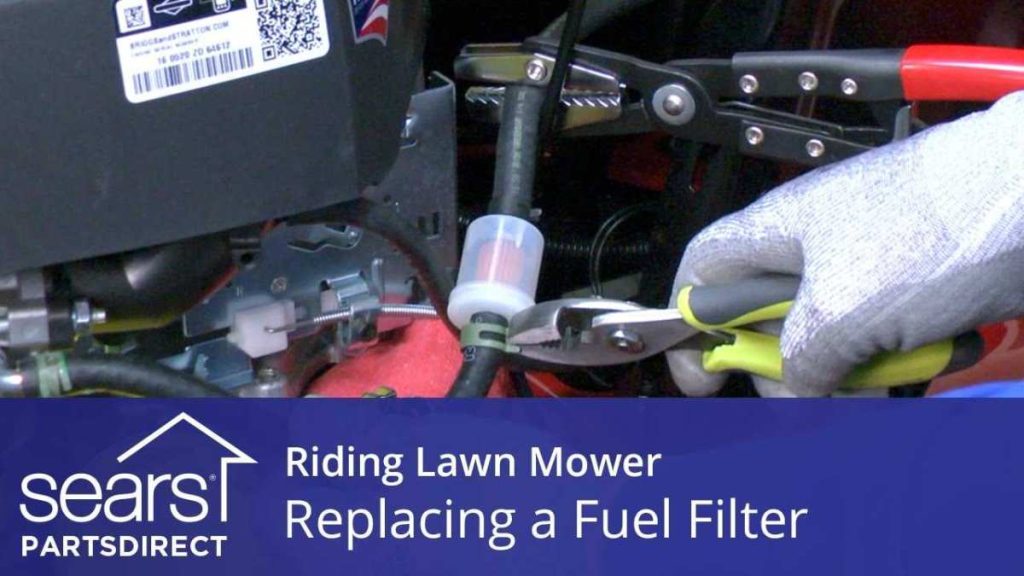
To change the fuel filter on your Craftsman riding lawn mower, start by safely disconnecting the fuel line, remove the old filter, and install a new one in the correct orientation. Ensure all connections are secure, and then restart the mower to check for leaks.
In brief, to replace the fuel filter on your Craftsman riding mower, turn off the engine, relieve fuel system pressure, then locate and carefully disconnect the old filter before installing the new one. This simple task helps maintain optimal engine performance and prevents fuel system issues.
Replacing the fuel filter on a Craftsman riding mower may seem daunting at first, but it’s a straightforward maintenance task that keeps your mower running smoothly. Over time, dirt and debris can clog the fuel filter, causing starting problems or poor engine performance. By knowing how to change the fuel filter correctly, you can avoid costly repairs and extend the life of your mower. Whether you’re an experienced DIYer or just starting out, this guide will walk you through each step in a clear and easy-to-understand way, ensuring your mower stays in top shape season after season.

How to change fuel filter on Craftsman riding lawn mower
Understanding the importance of the fuel filter
The fuel filter plays a vital role in keeping your lawn mower running smoothly. It traps dirt, debris, and other particles that can clog the engine. A clean filter ensures proper fuel flow and prevents engine problems. Replacing the fuel filter regularly helps maintain optimal mower performance and extends its lifespan.
Tools and materials needed for the task
Before starting, gather the essential tools and materials:
- New fuel filter compatible with your Craftsman model
- Screwdriver set (flat-head and Phillips)
- Pliers
- Wrench set
- Rags or shop towels
- Safety gloves and goggles
- Container for draining fuel
Having all these ready minimizes interruptions during the replacement process.
Safety precautions before replacing the fuel filter
Safety should always come first. Always work in a well-ventilated area to avoid inhaling fumes.
Make sure the mower engine is off and cool before starting work. Wear gloves and eye protection to guard against fuel splashes. Keep a fire extinguisher nearby, as fuel is flammable. Disconnect the spark plug to prevent accidental engine start.
Locating the fuel filter on your Craftsman riding lawn mower
The fuel filter is usually found along the fuel line between the fuel tank and the carburetor.
Depending on the model, it may be mounted on the side of the mower or near the fuel tank. Consult your owner’s manual for exact location if unsure.
Look for a small, cylindrical component made of plastic or metal along the fuel line.
Preparing the mower for filter replacement
Start by turning off the mower and disconnecting the spark plug wire.
Place a container or rag under the fuel line to catch any spilled fuel.
Drain some fuel if necessary to reduce spillage during removal.
Loosen any clips or fasteners securing the fuel line to access the filter easily.
Removing the old fuel filter
Carefully detach the fuel line from both ends of the filter using pliers if needed.
Avoid pulling too hard to prevent damage to the fuel line.
Once removed, inspect the old filter for dirt accumulation or damage.
Dispose of the used filter properly, as it contains fuel residues.
Installing the new fuel filter
Before installing, check the new filter for damage or defects.
Ensure the flow direction arrow on the filter matches the fuel flow direction, usually indicated on the filter.
Attach the filter to the fuel line, making sure it fits snugly on both ends.
Secure any clips or fasteners you removed earlier to prevent leaks.
Securing connections and checking for leaks
Tighten all fittings and clamps securely, but avoid overtightening, which can crack plastic parts.
Reattach the fuel line connections firmly.
Before starting the engine, double-check all connections for tightness.
Turn on the fuel supply and inspect for leaks around the filter and fuel lines.
Testing the lawn mower after replacing the fuel filter
Re-engage the spark plug wire and start the engine.
Let it run for a few minutes to ensure smooth operation.
Observe the fuel flow and listen for irregular noises that could indicate issues.
If the mower runs smoothly, the fuel filter replacement was successful.
Additional tips for maintaining your Craftsman riding lawn mower
Regularly inspect the fuel filter every 25-50 hours of use or seasonally.
Use fresh, high-quality fuel to prevent clogging.
Keep the fuel tank clean and free of debris.
Replace the fuel filter promptly if you notice engine stalling, difficulty starting, or decreased power.
Perform routine checks on other fuel system components, including fuel lines and carburetor.
Common mistakes to avoid during fuel filter replacement
Avoid using incompatible filters; always match the part number or model specifications.
Do not overtighten fittings, as this can damage plastic components.
Never work with a fuel system that is pressurized or hot; always work with the engine off and cooled.
Be cautious when handling fuel to prevent spills and fire hazards.
Dispose of old filters and fuel residues responsibly following local regulations.
Related topics for optimal lawn mower performance
Consider replacing the spark plug annually to ensure easy starts.
Check and clean the air filter regularly for maximum airflow.
Change the oil as recommended to keep the engine running smoothly.
Inspect blades for dullness and sharpen or replace them as needed.
Perform a comprehensive tune-up at the start of each mowing season to keep the mower in top shape.
This detailed guide provides all the steps, tips, and safety precautions needed to change the fuel filter on your Craftsman riding lawn mower effectively. Regular maintenance will help your mower run reliably, cut evenly, and last for many seasons.
How to change the fuel filter on a Craftsman lawn tractor
Frequently Asked Questions
What tools do I need to change the fuel filter on my Craftsman riding lawn mower?
To change the fuel filter, gather a pair of pliers, a rag, a container for catching fuel, and a new fuel filter compatible with your mower model. Having a screwdriver may also be helpful if you need to remove any covers or panels.
How do I safely relieve pressure from the fuel system before replacing the filter?
Start the mower and let it run for a few minutes to deplete the fuel pressure. Alternatively, disconnect the fuel line at the filter connection and let any remaining fuel drain into a container. Always work in a well-ventilated area and wear gloves to avoid contact with fuel.
What is the proper way to disconnect and remove the old fuel filter?
Locate the fuel filter, then use pliers to loosen the clamps holding the fuel lines in place. Carefully disconnect the fuel lines from the filter, directing any residual fuel into a container. Remove the old filter by gently pulling it out, taking care not to damage surrounding parts.
How can I ensure the new fuel filter is installed correctly?
Check the orientation markings on the new filter to ensure it’s installed in the correct direction of fuel flow. Connect the fuel lines securely over the filter, and tighten clamps firmly without over-tightening. Reinspect all connections before starting the mower again.
Are there additional steps I should follow after replacing the fuel filter?
Once the new filter is in place, restore the fuel line connections and turn on the fuel valve if your mower has one. Start the engine and check for leaks around the filter and connections. Let the engine run for a few minutes to ensure proper operation before mowing.
Final Thoughts
Changing the fuel filter on a Craftsman riding lawn mower keeps your engine running smoothly. First, locate the filter, usually near the gas tank or engine. Use pliers to disconnect the old filter carefully, then remove it.
Next, install the new filter, ensuring the flow direction matches the arrow indicated on the filter. Reconnect the hoses securely to prevent leaks.
In summary, how to change fuel filter on craftsman riding lawn mower involves safely removing the old filter and installing a new one correctly. This simple maintenance step enhances mower performance and prolongs its lifespan.