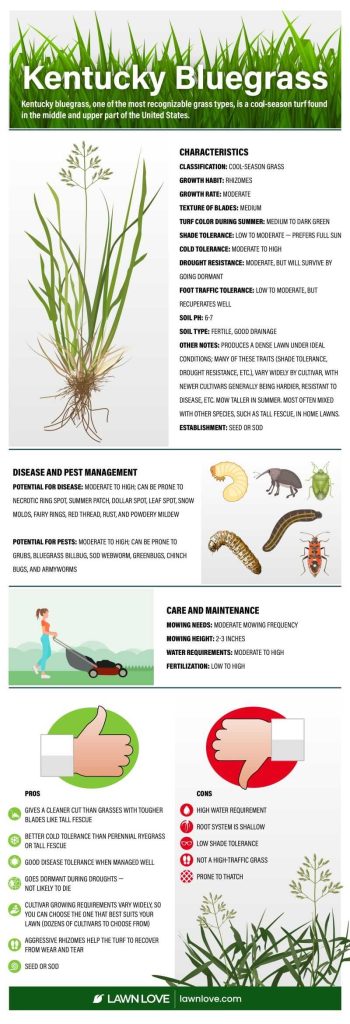
To care for Kentucky bluegrass, ensure it receives plenty of sunlight, water it regularly without overdoing it, and fertilize appropriately to promote lush growth. Mowing at the right height and aerating the soil also keep it healthy and thriving. With consistent attention to these basics, your lawn will stay vibrant and inviting all season long.
Kentucky bluegrass is a popular choice for lush, green lawns, but it needs proper care to truly shine. It thrives best in full sun and well-drained soil, requiring regular watering and proper fertilization. Mowing at the right height and periodic aeration help maintain its density and health, making it an excellent option for homeowners who want a beautiful outdoor space. Following these simple guidelines will keep your Kentucky bluegrass looking its best, creating a soft, inviting lawn you can enjoy year-round.
Getting a stunning Kentucky bluegrass lawn doesn’t have to be complicated. The key lies in understanding its needs—plenty of sunlight, suitable watering routines, and regular fertilization. Mowing at the proper height and aerating the soil ensure the grass remains dense and resilient. Consistent care will reward you with a vibrant, soft, and healthy lawn that elevates your outdoor space and provides a perfect spot for relaxation and recreation.

How to Care for Kentucky Bluegrass
Understanding Kentucky Bluegrass
Kentucky Bluegrass is a popular cool-season grass known for its lush green color and dense growth. It thrives in moderate climates and offers a soft, inviting surface perfect for lawns, sports fields, and parks. Knowing its specific needs helps you keep your lawn healthy and beautiful.
Choosing the Right Location
Kentucky Bluegrass prefers full sunlight but can tolerate some shade. Select a spot in your yard that receives at least six hours of direct sunlight each day for optimal growth. Avoid areas that are prone to standing water or poor drainage, as the grass does not tolerate soggy soil well.
Soil Preparation and Testing
Healthy Kentucky Bluegrass starts with proper soil. Test your soil to determine pH levels and nutrient content. Ideally, the soil should be slightly acidic to neutral, with a pH between 6.0 and 7.0. Before planting, loosen the soil to a depth of about four inches, removing weeds and debris.
Amending Soil for Better Results
If your soil lacks nutrients or has poor drainage, consider adding organic matter such as compost. Incorporate sand or peat moss to improve drainage and aeration. Proper soil preparation creates an ideal environment for Kentucky Bluegrass roots to establish.
Planting Kentucky Bluegrass
You can establish Kentucky Bluegrass through seeds, sod, or plugs. Seeds are more affordable but take longer to establish, while sod provides immediate coverage. Spread seeds evenly over prepared soil, lightly raking them into the surface. Water thoroughly after planting.
Seeding Tips for Success
Use a seed spreader to distribute the seed evenly. Aim for a seeding rate of about 1 to 2 pounds per 1,000 square feet. Cover the seeds with a thin layer of soil or mulch to protect them from birds and help retain moisture.
Watering Practices
Proper watering is crucial for Kentucky Bluegrass health. Keep the soil consistently moist but not soaked, especially during germination and early growth. Water deeply about once or twice a week, depending on weather conditions.
Best Times to Water
Water early in the morning to reduce evaporation and fungal issues. During hot, dry periods, increase watering frequency to maintain moist soil. Avoid overwatering, which can lead to root rot and other problems.
Mowing and Maintenance
Regular mowing encourages dense growth and a healthy lawn. Set your mower blade to about 2.5 to 3 inches to prevent cutting too much at once, which stresses the grass.
Mowing Tips for a Healthy Lawn
– Mow frequently enough to remove only one-third of the grass height at a time.
– Keep mower blades sharp for clean cuts.
– Remove grass clippings to prevent thatch buildup.
Fertilization Regimen
Kentucky Bluegrass benefits from regular fertilization to thrive. Use a balanced fertilizer high in nitrogen during the active growing season.
Fertilizer Application Schedule
Apply fertilizer in early spring, late spring, and late summer. Follow the manufacturer’s instructions for amounts. Avoid over-fertilizing, as it can lead to thatch buildup and disease susceptibility.
Control of Weeds and Pests
Weeds and pests can quickly invade Kentucky Bluegrass lawns if not managed properly. Maintain a healthy, dense turf to naturally suppress weeds.
Managing Common Pests and Diseases
Monitor your lawn for signs of grubs, chinch bugs, or fungal diseases. Use appropriate insecticides or fungicides when necessary, following label instructions. Proper watering, mowing, and fertilization help prevent issues.
Overseeding and Repair
Overseeding helps fill thin areas and maintain a dense lawn. Choose Kentucky Bluegrass seed for best matches. Aerate the soil first to improve seed-to-soil contact.
Steps for Successful Overseeding
– Mow the existing grass short.
– Rake to remove debris.
– Spread seed evenly using a broadcast spreader.
– Lightly water daily to keep soil moist until seedlings establish.
Dealing with Thatch and Compaction
Thatch is a layer of organic material between the grass and soil. Excess thatch can hinder water and nutrient absorption.
Thatch Control and Aeration
Use a dethatching rake or machine to remove buildup. Aerate the soil annually to reduce compaction and promote root growth. Proper maintenance prevents common issues and improves overall lawn health.
Seasonal Lawn Care Tips
Adjust your care routine based on the season. Spring encourages growth and fertilization, while fall preparation involves overseeding and aeration. During winter, minimize traffic and avoid fertilization to let the grass rest.
Preparing for Winter
Gradually reduce watering and mowing as temperatures drop. Avoid fertilizing late in the season, which can promote disease. Apply a winterizer fertilizer if needed to strengthen roots for spring.
Caring for Kentucky Bluegrass involves attentive watering, mowing, fertilization, and soil management. Regular maintenance ensures a thick, green, and resilient lawn. With consistent effort, your Kentucky Bluegrass will stay healthy and vibrant year-round.
Kentucky Bluegrass Care | DoMyOwn.com
Frequently Asked Questions
What is the best way to water Kentucky bluegrass for optimal growth?
Water Kentucky bluegrass deeply and infrequently to encourage deep root growth. Aim to provide about 1 to 1.5 inches of water per week, including rainfall. Water early in the morning to reduce evaporation and prevent fungal issues. Avoid overwatering, as it can lead to shallow roots and disease susceptibility.
How should I mow Kentucky bluegrass to keep it healthy?
Maintain a mowing height of around 2.5 to 3 inches to promote dense growth and prevent weed invasion. Sharp mower blades create clean cuts, reducing stress on the grass. Mow regularly, removing no more than one-third of the grass height at a time to avoid stressing the turf.
What fertilization schedule works best for Kentucky bluegrass?
Apply a balanced fertilizer with nitrogen in early spring and late summer to support healthy growth. Use a slow-release fertilizer to provide consistent nutrients over time. Avoid excessive fertilization, which can lead to thatch buildup and increased disease risk. Conduct soil tests annually to tailor fertilizer application more precisely.
How can I improve soil conditions for Kentucky bluegrass?
Ensure the soil drains well and has a pH between 6.0 and 7.0. Aerate the lawn annually to reduce compaction and improve airflow to the roots. Incorporate organic matter like compost to enhance soil fertility and structure. Regularly test soil to monitor pH and nutrient levels, adjusting amendments as needed.
What are common pests and diseases affecting Kentucky bluegrass, and how can I prevent them?
Watch for pests such as grubs and chinch bugs, which can damage the turf. Maintain proper watering and mowing practices to strengthen the grass. Avoid over-fertilization, which can promote disease. Use appropriate fungicides or insecticides when necessary, and practice good lawn hygiene by removing debris and thatch buildup.
Final Thoughts
To care for Kentucky bluegrass, ensure it receives adequate water, especially during dry spells. Regular mowing at the right height promotes healthy growth and prevents weeds. Fertilize in early spring and fall to keep the grass lush. Aerate annually to improve soil health and root development. Proper maintenance results in a vibrant, healthy lawn that thrives throughout the seasons.