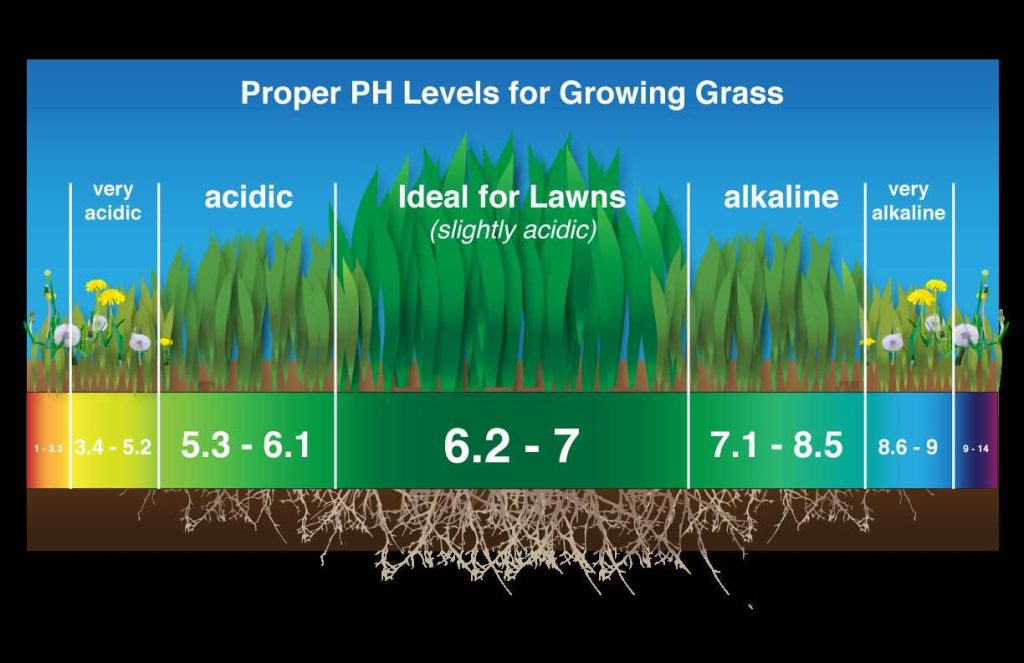
To achieve lush, healthy grass, balancing your soil’s pH is key. Start by testing your soil’s pH level using a simple kit; if it’s too acidic or alkaline, amend it accordingly with lime or sulfur. Maintaining an optimal pH between 6.0 and 7.0 creates the perfect environment for grass roots to absorb nutrients effectively, resulting in vibrant growth.
In brief, to balance soil pH for better grass growth, test your soil first, then add lime to raise pH if the soil is too acidic, or sulfur to lower it if too alkaline. Regular monitoring and adjustments will ensure your lawn remains healthy and lush.
Getting a lush, green lawn isn’t just about watering and fertilizing—it starts with the right soil. The pH level of your soil influences how well grass can absorb essential nutrients. If your soil leans too acidic or alkaline, your grass may struggle to thrive, turning yellow or patchy. The good news is, balancing your soil pH is straightforward once you know where you stand. You can test your soil using inexpensive kits or professional services. Based on the results, you can add lime to neutralize acidity or sulfur to reduce alkalinity. Regular testing and adjusting ensure your soil remains within the ideal pH range, creating the perfect environment for healthy, vigorous grass growth. Whether you’re preparing a new lawn or maintaining an existing one, understanding and managing soil pH is a crucial step toward a beautiful, hardy lawn.

How to Balance Soil pH for Better Grass Growth
Maintaining the right soil pH is vital for healthy grass. The pH level affects how well grass absorbs nutrients from the soil. If the soil is too acidic or too alkaline, grass growth can slow down or become weak.
Understanding Soil pH and Its Importance
Soil pH measures how acidic or alkaline the soil is on a scale from 0 to 14. A pH of 7 is considered neutral. Most grasses thrive best in soil with a pH between 6.0 and 7.0. When the pH falls outside this range, nutrient availability drops, and grass may turn yellow or thin out.
For example, acidic soils (pH below 6.0) limit nutrients like potassium and magnesium. Conversely, alkaline soils (pH above 7.0) can cause deficiencies in iron and manganese. Balancing soil pH is essential to keep grass healthy and lush.
Why Soil pH Affects Grass Growth
Grass roots absorb nutrients from the soil, but only within specific pH ranges. If pH is off, roots struggle to access crucial minerals, leading to poor growth. Unbalanced pH also encourages harmful pests and diseases that weaken the grass.
Proper pH levels promote healthy root systems, improve nutrient uptake, and boost grass’s resilience against pests. Knowing how to adjust soil pH helps create the best environment for grass to thrive.
Testing Your Soil pH
Before adjusting pH, testing your soil is necessary. You can use soil test kits available at garden centers or send samples to a local lab for detailed analysis. Testing should be done at different spots in your yard for accurate results.
Typically, testing twice a year in spring and fall provides a good overview. Record the pH levels to track changes over time and decide on the right treatment strategy.
How to Correct Acidic Soil
If your soil is too acidic (pH below 6.0), raising the pH level to a neutral range is essential. The most common method is adding lime, which neutralizes acidity. Use a soil test kit or consulting an expert helps determine the right amount of lime needed.
Types of Lime for Soil Adjustment
- Dolomitic Lime: Contains magnesium, helps balance magnesium and calcium levels.
- Calcitic Lime: Pure calcium carbonate, ideal for raising pH without adding magnesium.
Apply lime evenly on the soil surface and water it in thoroughly. Follow the manufacturer’s recommended application rates, as over-application can lead to overly alkaline soil.
It may take several months for lime to fully adjust the pH, so plan ahead before planting new grass or reseeding.
How to Correct Alkaline Soil
For soils with a high pH (above 7.0), lowering the pH is necessary. Sulfur is the most common amendment to acidify soil. Organic matter like peat moss or composted manure can also help reduce pH gradually.
Applying Sulfur for pH Correction
- Use elemental sulfur or sulfur-based products designed for soil amendment.
- Always follow the application instructions for the specific product.
- Apply evenly and water deeply to disperse the sulfur into the soil.
Similar to lime, lowering soil pH can take several months, so plan accordingly. Regular testing after treatment helps determine if further adjustments are needed.
Natural Methods for pH Balance
Organic options can gently adjust soil pH without chemicals. Compost, for example, can buffer pH and improve soil health. Adding organic matter also encourages beneficial microbes that help regulate soil acidity and alkalinity.
Mulching with acidic materials like pine needles or adding sulfur-rich amendments can also slowly modify pH levels. These methods are eco-friendly and provide long-term benefits for your lawn.
Maintaining Balanced Soil pH
Once your soil reaches the desired pH, maintaining it becomes key. Regular soil testing ensures pH stays within the optimal range. Adjustments may be needed seasonally, especially after heavy rainfall or drought.
Incorporating organic matter annually enhances soil buffering capacity, reducing drastic pH swings. Be mindful of fertilizer use, as some fertilizers can influence soil acidity or alkalinity over time.
Additional Tips for Healthy Grass Growth
- Water Properly: Use clean water and avoid overwatering, which can leach out nutrients and alter pH.
- Use the Right Fertilizer: Select fertilizers suited for your soil pH. For example, ammonium-based fertilizers increase acidity, while nitrate-based ones tend to be neutral or alkalizing.
- Practice Lawn Aeration: Aeration improves soil structure, helping pH amendments and nutrients reach roots effectively.
- Choose the Right Grass Type: Some grass species tolerate broader pH ranges better, so select varieties suited for your soil conditions.
Monitoring and Adjusting Over Time
Consistent monitoring is crucial to keeping soil pH in check. Use soil test kits or professional testing services annually to track changes. Make additional amendments as needed based on test results.
Gradual adjustments prevent shock to the grass roots and promote stable, healthy growth. Patience is essential, as pH correction can take several months to show results.
Related Topics to Consider
- Nutrient Management: How to supply essential nutrients based on soil pH levels.
- Soil Improvement Techniques: Using compost and organic matter to enhance soil health.
- Lawn Care Tips: Mowing, watering, and aeration practices for optimal grass growth.
Controlling soil pH is a foundational part of maintaining a lush, green lawn. By testing, adjusting, and regularly monitoring your soil, you give your grass the perfect environment to grow strong and healthy. Remember, small, consistent efforts lead to the best results for your yard’s appearance and longevity.
Frequently Asked Questions
What soil testing methods can help determine the current pH level?
Use a soil testing kit or send a sample to a local agricultural extension office for analysis. These methods provide accurate pH readings, allowing you to understand your soil’s current condition. Regular testing ensures you can make informed adjustments to maintain optimal pH levels for grass growth.
How often should I check and adjust the soil pH for my lawn?
Test your soil at least twice a year, preferably in early spring and fall. This frequency helps you monitor pH changes over time and make timely adjustments. Consistent testing maintains a stable environment that promotes healthy grass development.
What materials can I add to raise or lower soil pH effectively?
To raise soil pH, add lime or wood ash, which contain calcium carbonate and potassium carbonate, respectively. To lower soil pH, incorporate sulfur or aluminum sulfate, which acidify the soil. Follow the recommended application rates based on your soil test results to achieve the desired pH level.
Are there specific grass species that tolerate a wider pH range? If so, which ones?
Yes, some grass varieties thrive across a broader pH spectrum. For example, tall fescue and Kentucky bluegrass tolerate pH levels between 6.0 and 7.5, making them versatile choices for lawns with fluctuating pH levels. Selecting these species can reduce the need for frequent pH adjustments.
What are the signs indicating that soil pH needs correction?
Observe your grass for signs like yellowing, poor growth, or patchiness, which can signal pH imbalance. Acidic soils may cause moss growth, while alkaline soils can lead to nutrient deficiencies. Addressing these issues promptly helps maintain a healthy, lush lawn.
Final Thoughts
Understanding soil pH is essential for optimal grass growth. Test your soil regularly to determine its acidity or alkalinity. Adjust pH levels by adding lime to raise acidity or sulfur to lower it.
Consistent maintenance ensures the soil remains in the ideal range for grass health. Proper adjustments promote nutrient absorption and vibrant greenery. Remember, balancing soil pH for better grass growth creates a thriving lawn and minimizes the need for frequent interventions.