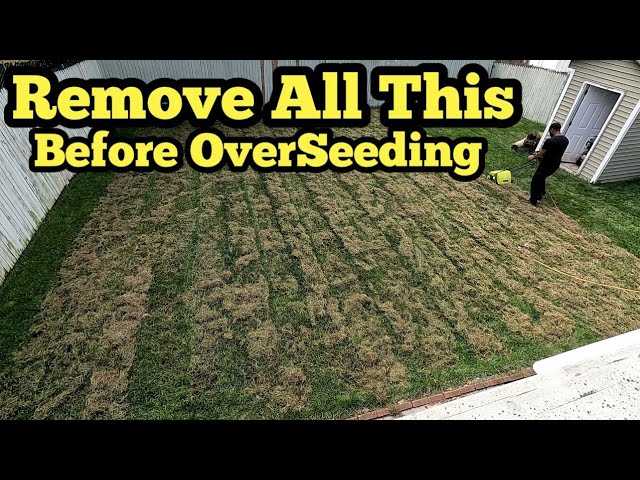
If you’re looking to aerate your lawn but don’t have an aerator on hand, don’t worry! There are several effective methods you can use to get the job done without any fancy equipment. One of the simplest ways is to use a garden fork or a spade to create small holes in the soil, allowing air, water, and nutrients to penetrate deeper. Alternatively, you can walk around your lawn in your garden shoes with spikes to create sufficient openings. Other creative solutions include using a shovel or even a hose to help loosen compacted soil. Regardless of the method you choose, aerating your lawn is essential for promoting healthy grass growth and ensuring a vibrant, lush landscape.

How to Aerate Lawn Without Aerator
Aerating your lawn is essential for maintaining healthy grass. It improves root development, enhances nutrient absorption, and allows air and water to penetrate the soil more effectively. If you don’t have an aerator, don’t worry! There are several effective methods you can use to aerate your lawn without investing in expensive equipment.
Understanding Lawn Aeration
Before diving into the methods, it’s important to understand what lawn aeration is. Aeration involves perforating the soil with holes to improve the movement of air, water, and nutrients. When the soil becomes compacted, grass roots struggle to grow. This can lead to unhealthy grass and other lawn issues.
Benefits of Aerating Your Lawn
Aerating your lawn provides numerous benefits, including:
- Improved root growth
- Enhanced water absorption
- Better nutrient uptake
- Reduced soil compaction
- Increased microbial activity
Now, let’s explore several ways to aerate your lawn without the need for a traditional aerator.
Using a Garden Fork
One of the simplest ways to aerate your lawn is by utilizing a garden fork. This method is effective for small areas and is easy to do.
Steps to Aerate with a Garden Fork
1. Select a garden fork with sturdy tines.
2. Identify compacted areas in your lawn.
3. Push the fork into the soil to a depth of 2-4 inches.
4. Repeat every 4-6 inches in the affected areas.
5. Work in rows until the entire area is aerated.
This method allows you to effectively create holes in the soil, promoting better airflow and drainage.
Using a Spike Aerator
If you prefer not to use a garden fork, a spike aerator is another option. This tool has spikes that penetrate the soil, creating holes for air to reach the roots.
How to Use a Spike Aerator
1. Choose a manual spike aerator or a wheeled one, depending on your lawn size.
2. Walk the aerator across the lawn, applying even pressure.
3. Make sure to cover the entire area, focusing on compacted spots.
4. Aerate during the growing season for optimal results.
With this method, be cautious as it may not be as effective on heavier clay soils.
Watering Before Aeration
Watering your lawn before aerating can make the process easier and more effective. Moisture helps soften the soil, making it simpler to penetrate.
How to Properly Water Your Lawn
– Water deeply a day or two before aeration.
– Ensure the soil is moist but not soggy.
– This preparation helps you achieve better results when aerating.
Keep in mind that overwatering can lead to standing water, so focus on achieving the right moisture balance.
Using a Shoes with Spikes
An unconventional yet effective method involves using shoes with spikes. This technique allows you to aerate your lawn while walking around.
Steps to Aerate with Spike Shoes
1. Acquire a pair of shoes with spikes or attach spike discs to regular shoes.
2. Walk through the lawn, applying pressure as you go.
3. Overlap your steps to cover the entire area.
4. Focus on heavily compacted areas for deeper penetration.
While this method is easy and fun, it may take longer depending on the size of your lawn.
Using a Pitchfork
If you have a pitchfork lying around, it can also serve as a great aeration tool.
How to Aerate with a Pitchfork
1. Insert the pitchfork into the ground, pulling back and away to create a hole.
2. Space the holes about 4-6 inches apart.
3. Work systematically across the area, making sure to cover all sections.
This method is similar to using a garden fork but may allow for larger holes depending on your technique.
Using a Rake
A rake can also help aerate your lawn, especially when combined with other techniques.
Steps to Aerate with a Rake
1. Use a thatching rake to remove dead grass and debris.
2. While raking, you can disturb the soil surface slightly.
3. Focus on areas with heavy lawn thatch.
This process can remove surface compacting layers, allowing better air and water access.
Utilizing Natural Aeration Techniques
There are natural ways to promote aeration in your lawn without machinery.
Incorporating Organic Matter
– Adding compost can improve soil structure.
– Organic materials enhance microbial activity.
– This boosts aeration over time without physical effort.
Overseeding
Another method involves overseeding during aeration. When you introduce new seeds into aerated soil, they can germinate better.
– Choose a suitable grass type for your climate.
– Spread seeds evenly across the lawn post-aeration.
When to Aerate Your Lawn
Timing is crucial for effective aeration. The best times to aerate may vary based on grass type.
Optimal Seasons for Aeration
– For cool-season grasses, early spring or early fall is ideal.
– For warm-season grasses, late spring or early summer works best.
– Aim for periods of active growth to reap the most benefits.
Aerating during these times will ensure the grass can recover quickly and flourish.
Aftercare Following Aeration
Once you’ve aerated your lawn, it’s vital to provide proper aftercare.
Key Aftercare Steps
1. Water your lawn appropriately to support recovery.
2. Apply fertilizer to nourish the grass.
3. Avoid heavy foot traffic for a couple of weeks.
4. Monitor growth and adjust maintenance practices.
This aftercare will ensure your lawn responds positively to the aeration process.
Common Mistakes to Avoid
When aerating your lawn without an aerator, avoid these common mistakes:
- Not checking soil moisture before aeration
- Aerating during dry spells
- Neglecting proper aftercare
- Over-aerating the same area
Being aware of these pitfalls can help you achieve the best results.
Utilizing these methods to aerate your lawn without an aerator can help your grass thrive more than ever. With a little effort and the right techniques, you’ll achieve the healthy, lush lawn you desire. Remember to keep your lawn maintenance consistent, and soon you’ll notice the great improvements in your yard’s overall health.
STOP AERATING YOUR LAWN. How to and when you need to aerate. The TRUTH from an EXPERT
Frequently Asked Questions
“`html
What are some manual methods to aerate the lawn?
You can aerate your lawn manually by using a garden fork or a spade. Simply poke holes into the ground every few inches, making sure to penetrate to a depth of 2-3 inches. This process allows air, water, and nutrients to reach the roots of your grass. For a more comprehensive approach, create a grid pattern across the lawn to ensure even aeration.
How can I use a hose to aerate my lawn?
Using a hose can effectively aerate your lawn. Water your lawn deeply and then, while the soil is still moist, walk around with the hose. As you move, gently create holes in the soil with the hose’s nozzle. The pressure from the water will help create openings, allowing for improved soil aeration.
Is there a way to use a heavy object for aeration?
You can aerate your lawn by using a heavy object like a lawn roller or even a weighted tire. Walk around your lawn with the object, allowing it to compress the soil and create holes. This method works best on well-moistened soil, as it increases the effectiveness of the aeration.
Can I aerate my lawn by adding organic matter?
Yes, adding organic matter like compost or mulch can help aerate your lawn. Spread a layer of organic material over the grass. As it decomposes, it encourages microbial activity that helps break up compacted soil, improving aeration over time.
How does lawn mowing contribute to aeration?
Regular mowing contributes to aeration by keeping grass at an optimal height. When you mow, you remove the top growth, which allows better light and air penetration to the roots. Additionally, the clippings that remain can help improve soil structure and promote microbial activity that aids in aeration.
“`
Final Thoughts
To aerate your lawn without an aerator, use simple tools you probably have at home. You can poke holes in the soil with a garden fork or create small plugs by using a spade.
Watering the lawn thoroughly before aerating helps loosen the soil. Raking the lawn afterward can improve air circulation and nutrient absorption.
Regular aeration promotes healthier grass and prevents compaction. Remember, knowing how to aerate lawn without aerator can keep your lawn thriving without needing specialized equipment.