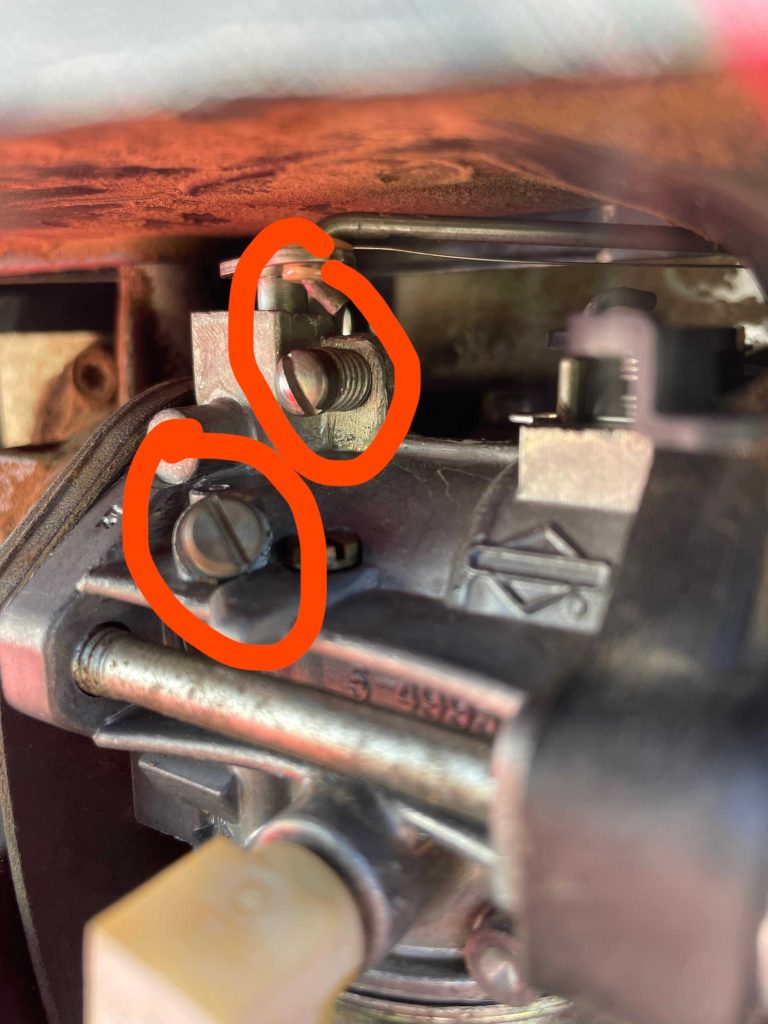
To quickly adjust the carburetor on your Craftsman riding lawn mower, start by locating the mixture screws and turning them slowly to fine-tune the engine’s performance. Adjust the idle screw to set the right engine speed, and ensure the mower runs smoothly without stalling or bogging down. With some basic tools and patience, you can improve your mower’s efficiency and lifespan.
If your Craftsman riding mower isn’t starting well, runs unevenly, or stalls during operation, carburetor adjustment might be needed. The process involves tweaking the mixture screws, idle speed, and sometimes cleaning the carburetor itself. Proper adjustment ensures optimal fuel flow, better engine performance, and easier mowing. This guide will walk you through the simple steps to achieve a perfectly tuned carburetor, saving you time and repair costs. No need for advanced skills—just follow these easy tips, and your mower will be back in top shape in no time.

How to Adjust Carburetor on Craftsman Riding Lawn Mower
Understanding the Carburetor and Its Role
The carburetor is a vital part of your Craftsman riding lawn mower’s engine. It mixes air and fuel to create the combustible mixture needed for the engine to run smoothly. If your mower is not starting easily or running unevenly, adjusting the carburetor might be necessary.
Signs That Your Carburetor Needs Adjustment
It’s important to recognize when the carburetor needs tuning. Common signs include difficulty starting, engine stalling, poor acceleration, or excessive fuel consumption. If your mower shows any of these symptoms, it’s time to learn how to adjust the carburetor properly.
Gathering the Necessary Tools and Supplies
Before starting the adjustment process, gather all needed tools. You will need a flat-head screwdriver, a socket wrench, a carburetor cleaner spray, and safety gloves. Having these ready ensures a smooth and safe adjustment process.
Locating the Carburetor on Your Craftsman Mower
Locate the carburetor, usually found near the air filter housing on the engine. It is connected to the fuel line and has adjustment screws. Refer to your mower’s user manual if needed, which can be found on the Craftsman website or other trusted sources like the official [Craftsman support page](https://www.craftsman.com/).
Preparing for Adjustment
Start the engine and let it warm up for a few minutes. Warm engines are easier to tune because they run more consistently. Turn off the engine and disconnect the spark plug wire to prevent accidental starting during adjustments.
Understanding the Adjustment Screws
Most carburetors have two main adjustment screws: the idle speed screw and the mixture screw. The idle screw controls the engine’s idling speed, while the mixture screw adjusts the air-fuel ratio for optimal performance.
Adjusting the Idle Speed Screw
To set the idle speed, turn the screw clockwise until it gently seats, then back it out about one and a quarter turns. Start the mower, and observe the engine’s running. If it stalls or runs rough, adjust the screw slightly until the engine runs smoothly at idle.
Fine-Tuning the Idle Speed
If the mower stalls when in idle, turn the screw in small increments clockwise. If the engine revs too high or sounds rough, turn it counterclockwise. Aim for a steady, smooth idle that doesn’t cause the mower to move or stall.
Adjusting the Fuel Mixture Screw
Next, focus on the mixture screw. Turn it clockwise to make the mixture leaner (less fuel), or counterclockwise to make it richer (more fuel). Turn the screw slowly, about an eighth of a turn at a time.
Finding the Optimal Mixture
Adjust the mixture screw until the engine runs smoothly and responsively. You should hear the engine’s RPMs stabilize at the highest, most steady level. A balanced mixture ensures your mower operates efficiently and avoids fuel wastage.
Testing and Confirming Adjustments
After adjustments, run the engine for a few minutes to observe its behavior. Look for smooth acceleration, steady idling, and no stalling. Make small tweaks if necessary, and test again until you achieve optimal performance.
Cleaning the Carburetor
Sometimes, problems originate from dirt or debris obstructing the carburetor. Use carburetor cleaner spray to flush out any deposits. Remove the carburetor if needed and clean all accessible parts thoroughly.
Replacing Worn or Damaged Parts
If adjusting or cleaning doesn’t resolve issues, inspect the carburetor for worn gaskets or faulty jets. Replacing damaged parts can restore proper functioning. Consult an authorized service technician or the Craftsman support site for proper parts and replacement procedures.
Preventative Maintenance Tips
Regularly replacing fuel filters and using fresh fuel can extend the life of your carburetor. Avoid letting fuel sit in the tank for long periods, as old fuel can clog small passages. Also, periodic cleaning of the carburetor helps prevent build-up issues.
Safety Precautions During Adjustment
Always perform adjustments in a well-ventilated area and wear gloves to avoid contact with fuel or chemicals. Make sure the mower is turned off and the spark plug wire is disconnected before working on the carburetor.
Consulting Professional Help
If you’re uncomfortable adjusting the carburetor yourself, it’s best to seek professional assistance. Certified technicians can quickly diagnose and fix carburetor issues, saving you time and reducing the risk of damage.
Additional Resources and Support
For more detailed instructions, diagrams, and replacement parts, visit the official Craftsman website or trusted mower repair guides. These resources can provide step-by-step visuals to make the adjustment process easier.
Adjusting the carburetor on your Craftsman riding mower is a straightforward process once you understand the parts involved. Careful tuning of the idle speed and mixture screws can significantly improve your mower’s performance, ensuring a healthy, efficient engine. Proper maintenance and timely adjustments keep your mower running smoothly for seasons to come.
Craftsman Riding Mower Runs Rough & Hard To Start. Troubleshoot & Repair
Frequently Asked Questions
How can I identify if the carburetor on my Craftsman riding lawn mower needs adjustment?
To determine if the carburetor requires adjustment, observe the mower’s performance. If it stalls easily, has trouble starting, experiences uneven running, or if the engine accelerates poorly, these signs suggest a need for tuning. Also, check for unusual black smoke from the exhaust or if the engine consumes more fuel than usual. These indicators point to a carburetor that might need fine-tuning for optimal performance.
What are the steps to safely access the carburetor on a Craftsman riding mower?
Start by turning off the engine and disconnecting the spark plug wire to prevent accidental starting. Remove the mower’s cover or panel that conceals the carburetor, often located near the air filter. Use appropriate tools to carefully detach any clips or screws holding the cover in place. Once exposed, inspect the carburetor for dirt, debris, or signs of damage before making any adjustments.
How do I adjust the mixture screw on a Craftsman riding mower’s carburetor?
Turn the engine to a warm, idle state. Locate the mixture screw, typically found on the side of the carburetor. Turn the screw clockwise to make the mixture richer (more fuel) or counterclockwise for a leaner mix (less fuel). Make small adjustments, about a quarter turn at a time, and listen carefully to the engine’s response. Aim for a steady, smooth idle without coughing or sputtering. Once you find the optimal position, tighten lightly without over-tightening.
What should I do if adjusting the carburetor doesn’t improve mower performance?
If performance doesn’t improve after adjustments, consider cleaning the carburetor thoroughly. Remove any dirt, varnish, or debris from the jets and passages using carburetor cleaner and a soft brush. Also, check the air filter and replace it if dirty. Sometimes, worn out parts or gasket damage may require replacing the carburetor or its components to restore proper function.
How often should I check or tune the carburetor on my Craftsman riding mower?
It’s recommended to inspect and tune the carburetor at least once each mowing season or after every 25-50 hours of use. Regular maintenance helps prevent issues caused by fuel deposits or dirt buildup. Additionally, if you notice starting problems, rough running, or increased fuel consumption, it’s a good sign that the carburetor needs checking sooner.
Final Thoughts
Adjusting the carburetor on your Craftsman riding lawn mower ensures optimal engine performance. Start by locating the carburetor and identifying the mixture screws. Turn the screws slowly to tune the air-fuel mixture, and test the mower after each adjustment. Consult your mower’s manual for specific settings.
Remember, proper adjustment prevents engine issues and improves efficiency. If your mower runs rough or stalls, fine-tune the carburetor accordingly. Knowing how to adjust carburetor on craftsman riding lawn mower helps keep your equipment in top shape and prolongs its lifespan.