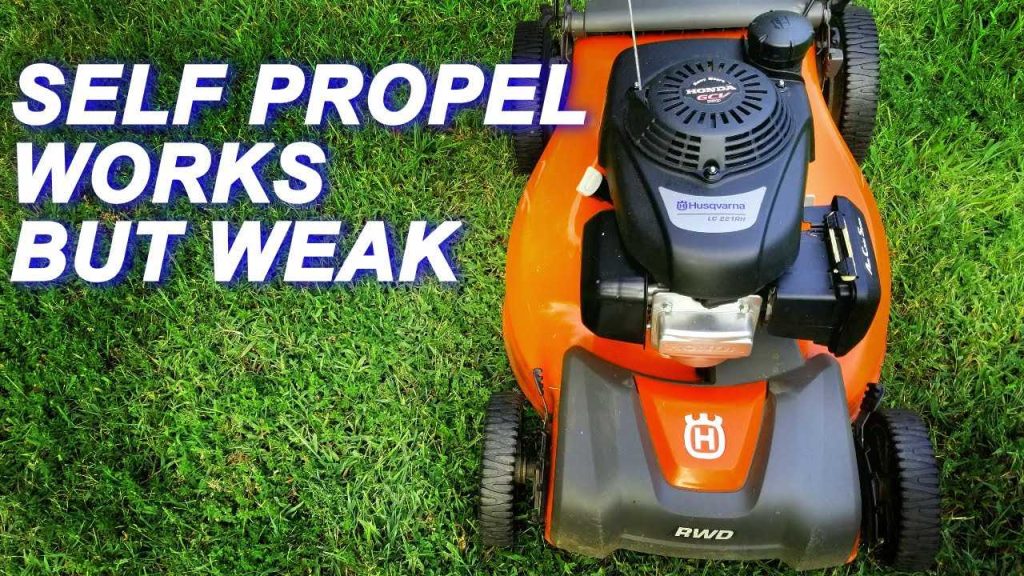
To quickly fix a slipping or loose belt on your Husqvarna self-propelled lawn mower, start by turning off the mower, disconnecting the spark plug, and then loosening the belt tensioner to adjust the belt snugly in place. You may need to replace a worn belt if it’s cracked or overly loose. Regular checks and proper tensioning keep your mower running smoothly and extend its lifespan.
In a nutshell, adjusting the belt on your Husqvarna self-propelled mower involves releasing the tension, repositioning or replacing the belt as needed, and then tightening everything back up. This simple process ensures optimal performance and easy mowing. With just a few basic steps, you can fix belt issues quickly and keep your lawn looking pristine.
If your Husqvarna self-propelled lawn mower isn’t moving as smoothly as it should, or if you notice strange noises or slipping, the belt might need adjusting. Thankfully, this is usually a straightforward task anyone can do with the right tools. Start by safety first—ensure the mower is off and disconnected—and then follow a few easy steps to get your mower back in top shape. Whether the belt has stretched over time or become worn, adjusting it properly will restore power transfer and make mowing effortless again. Keep reading to learn step-by-step how to adjust that belt and maintain your mower’s efficiency.

How to Adjust Belt on Husqvarna Self Propelled Lawn Mower
Understanding the Belt System of Your Husqvarna Lawn Mower
The belt in your Husqvarna self-propelled lawn mower is a key part that powers the wheels and the blades. Over time, the belt can wear out or become loose, affecting your mower’s performance. Identifying the right belt system for your model is important before making any adjustments or replacements.
Most Husqvarna mowers use a V-belt that runs from the engine pulley to the drive and blade pulleys. This setup ensures smooth power transfer and efficient cutting. Familiarize yourself with your specific mower model’s belt path by consulting the user manual or visual inspection.
Tools Needed for Belt Adjustment
Before starting the adjustment process, gather the following tools:
- Screwdriver set
- Socket wrench or ratchet set
- Replacement belt (if needed)
- Work gloves for safety
- Owner’s manual of your Husqvarna mower
Having these tools ready will save you time and prevent interruptions during maintenance. Make sure your work area is clean and well-lit for safety and efficiency.
Preparing the Lawn Mower for Belt Adjustment
Start by turning off your mower and removing the spark plug wire to prevent accidental starting. Place the mower on a flat, stable surface and activate the parking brake.
Carefully tilt the mower onto its side or lift the rear wheels using a jack or ramps for better access to the belt system. Take note of the belt’s current tension and routing. If the belt appears cracked or excessively worn, consider replacing it before proceeding.
Locating the Belt Tensioner and Adjustment Points
The tensioner is usually a spring-loaded pulley that maintains proper belt tension automatically. However, some Husqvarna models have an adjustable tensioner or idler pulley.
Check the mower’s underside for the path of the belt. Look for:
- Adjustable idler arm or pulley
- Tensioner spring mechanism
- Bolts or nuts securing the tensioner assembly
Consult your user manual for the specific location of these components on your model. Proper understanding ensures correct adjustment without damaging parts.
How to Adjust the Belt Tension
To adjust the belt tension, follow these steps:
- Loosen the mounting bolts of the tensioner or idler pulley using the socket wrench.
- Push or pull the pulley to increase or decrease the belt tension. Aim for snug fit, where the belt is tight but not overly tight.
- Re-tighten the mounting bolts securely once the correct tension is achieved.
Ensure the belt is properly aligned within the pulley groove and doesn’t slip off. Too tight a belt can strain the engine and other components, while too loose can cause slipping and poor mower performance.
Checking Belt Tension and Alignment
After adjustment, manually twist the belt to check its tension. It should not bend excessively; a good rule is about a half-inch of flex at the midpoint.
Put some light pressure on the belt to ensure it stays firmly in place within the pulley grooves. A properly aligned belt runs smoothly along the pulleys without wobbling or slipping.
Use a ruler or a tension gauge if available to measure the tension precisely. Proper tension ensures efficient power transfer and prolongs belt life.
Replacing the Belt if Necessary
If the belt shows signs of damage like cracks, fraying, or missing chunks, replacement is essential.
To replace:
- Remove the mower’s blade cover and disengage the belt from the pulleys.
- Take note of the belt routing or photograph it for reference.
- Install the new belt, ensuring it follows the correct path.
- Adjust the belt tension as described above.
Verify the new belt operates smoothly and does not slip during use. Proper installation and tension prevent costly damage and ensure efficient mowing.
Ensuring Proper Belt Tension for Optimal Performance
Regularly check your mower’s belt tension, especially after prolonged use or after replacing the belt. Adjustments might be necessary if you notice:
- Loss of mowing power
- Slipping sounds during operation
- Uneven or slow wheel movement
Properly tensioned belts help maintain consistent drive and cut quality. Follow manufacturer recommendations for tension specifications.
Common Problems and Troubleshooting
If your lawn mower isn’t performing well after belt adjustment:
- Double-check belt routing and alignment.
- Ensure the tensioner is functioning correctly and not worn out.
- Look for debris or obstructions in the pulley area.
- Replace the belt if it shows signs of wear or damage.
Sometimes, noise or vibration during operation indicates poor belt tension or misalignment. Address these issues promptly to prevent further damage.
Maintaining Your Belt System for Longevity
To extend belt life:
- Clean the pulleys and belt path regularly.
- Replace worn belts immediately.
- Inspect for rust or corrosion on pulleys and replace if necessary.
- Keep the mower stored in a dry place to prevent belt deterioration.
Proper maintenance ensures your Husqvarna lawn mower performs efficiently over many seasons. Remember, a properly tensioned belt leads to smoother operation and easier mowing sessions.
Additional Tips for a Smooth Belt Adjustment Experience
– Always test the mower on a flat surface before and after adjustment.
– Use the proper tools to avoid damaging parts.
– Follow safety precautions to prevent injuries.
– Consult your model’s manual for specific instructions.
Correct belt adjustment is crucial for maintaining optimal mower performance. Taking the time to properly tension and align the belt prevents future issues and prolongs the life of your equipment.
How To Replace the Drive Belt on Husqvarna HU700H Lawnmower
Frequently Asked Questions
What are the signs indicating that the belt needs adjustment on a Husqvarna self-propelled lawn mower?
If the mower struggles to propel forward, makes unusual noises, or the drive system feels less responsive, these are signs that the belt may be loose or worn. Additionally, if the mower’s self-propelling feature stops functioning smoothly or the belt has visible signs of wear or damage, it’s time to inspect and adjust or replace it to ensure optimal performance.
How can I locate the belt adjustment point on my Husqvarna self-propelled mower?
To find the adjustment point, first unplug the spark plug for safety. Then, lift the mower deck using the provided lift points or by carefully tipping the mower. The belt is usually located underneath the deck, connected to the engine pulley and the drive wheel assembly. Look for a tension pulley or an adjustment arm—these components facilitate belt tension adjustments, often secured with a bolt or nut. Consult your mower’s manual if needed for specific locations related to your model.
What steps should I follow to properly tighten the belt on my Husqvarna mower?
Begin with safety first by disconnecting the spark plug wire. Elevate the mower deck to access the belt easily. Loosen the adjustment bolt or nut associated with the tension pulley or arm. While holding the tension in the correct direction, tighten the adjustment bolt until the belt fits snugly but still allows some flexibility. Ensure the belt is centered on the pulley, then tighten all bolts securely. Finally, double-check the belt tension by rotating the pulley manually to see if it moves smoothly without slipping.
Are there specific tools required to adjust the belt on a Husqvarna self-propelled mower?
Yes, typically you will need a socket wrench or spanner to loosen and tighten the adjustment bolts or nuts. Some models may also require a belt tension gauge for precise adjustment, although many adjustments can be made by hand or by feel. Always refer to your mower’s manual for the recommended tools and torque specifications to avoid over-tightening or damaging components.
How often should I check or adjust the belt on my Husqvarna self-propelled lawn mower?
It is advisable to inspect the belt before each mowing session, especially if you notice any decrease in propulsion performance or unusual noise. A more thorough check and adjustment should be performed at least once per season or after encountering debris, impacts, or normal wear. Regular inspections help maintain cutting efficiency and extend the lifespan of the mower’s drive system.
Final Thoughts
To adjust the belt on your Husqvarna self-propelled lawn mower, start by unplugging the spark plug and tilting the mower to access the underside. Locate the belt tensioner and loosen it to slacken the belt. Remove the old belt and install a new one, ensuring it aligns properly with all pulleys. Tighten the tensioner securely to maintain proper belt tension.
In conclusion, knowing how to adjust belt on husqvarna self propelled lawn mower ensures smooth operation and prolongs the mower’s life. Follow these simple steps for quick adjustments whenever necessary.