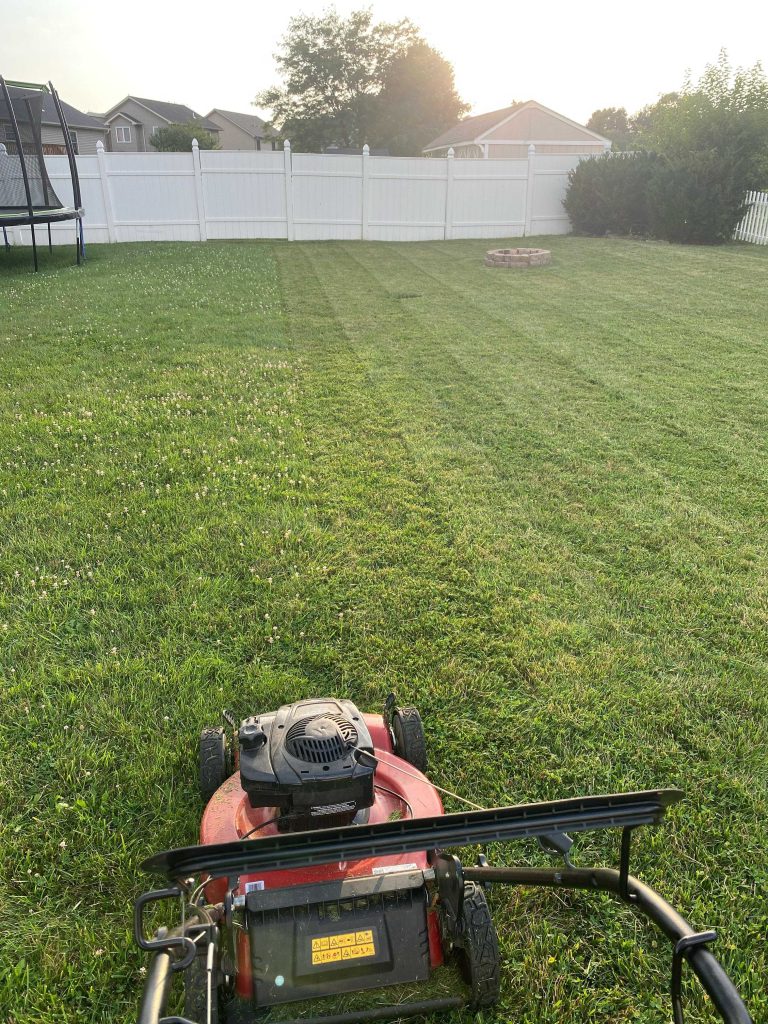
For a lush, healthy Kentucky Bluegrass lawn, trimming it to about 2.5 to 3.5 inches tall is ideal. Keeping the grass at this height encourages strong roots, prevents weeds, and promotes a vibrant green color. Regular mowing at the right height is key to maintaining a beautiful, resilient lawn that can withstand foot traffic and varying weather conditions.
In short, aim to cut Kentucky Bluegrass to approximately 2.5 to 3.5 inches, adjusting based on season and growth rate. Consistent mowing at this height helps ensure your lawn stays thick, healthy, and visually appealing.
Kentucky Bluegrass is a popular choice for many homeowners due to its fine texture and lush appearance. To keep it thriving, knowing the proper mowing height is essential. Cutting too short can weaken the grass and lead to weed invasion, while mowing too high might result in a thatch buildup and less dense turf. Generally, maintaining a cutting height of around 2.5 to 3.5 inches strikes the perfect balance, supporting strong root development and an even, attractive lawn. Proper mowing habits, combined with good watering and fertilizing practices, will help your Kentucky Bluegrass stay healthy, dense, and beautiful all season long.

How Tall to Cut Kentucky Bluegrass: A Complete Guide
Understanding Kentucky Bluegrass and Its Growth Habits
Kentucky bluegrass is a popular grass type for lawns because of its lush green color and soft texture. It thrives in cool-season climates and grows best during spring and fall. To keep it healthy, you need to know the right height to cut it.
This grass grows in dense patches, which help prevent weeds from taking over. Its ability to spread via rhizomes means it can recover quickly from cutting. Proper mowing height promotes vigorous growth and enhances the lawn’s overall appearance.
Why Mowing Height Matters for Kentucky Bluegrass
Setting the correct mowing height is crucial for Kentucky bluegrass because it affects root development. Cutting too short can weaken the grass and make it more susceptible to pests and diseases. On the other hand, cutting too high can leave the grass vulnerable to weed invasion and reduce its density.
Maintaining an ideal mowing height helps the grass develop strong roots, improve drought tolerance, and stay lush and vibrant. It also influences how well the grass handles foot traffic and stress during hot summer months.
Recommended Mowing Height for Kentucky Bluegrass
The general rule for Kentucky bluegrass is to mow at a height of **2.0 to 2.5 inches**. This height strikes a balance between encouraging healthy root growth and maintaining a neat appearance.
During peak growing seasons, sticking to this range helps the grass recover quickly and stay healthy. For cooler months or when growth slows, raising the mower to about **3 inches** can be beneficial to protect the grass from cold stress.
Adjusting Mower Settings Based on Season
In spring and fall, keep the mower at **2 to 2.5 inches** since the grass grows actively. During summer’s heat, raising the mowing height to **3 inches** helps shade the soil and reduce water loss.
In winter, if your region gets snow, raising the cutting height slightly to **3 inches** provides insulation and prevents lawn damage. Always adjust your mower to the recommended height for the specific season and grass health.
How to Properly Mow Kentucky Bluegrass
Proper mowing technique is just as important as choosing the right height. Always ensure your mower blades are sharp to give a clean cut. Dull blades can tear the grass, making it vulnerable to disease.
Never cut more than **one-third of the grass height** at a time. Cutting too much in one session stresses the grass and delays recovery. Regular mowing—about once a week during active growth—keeps the lawn healthy and consistent.
Best Practices for Mowing Kentucky Bluegrass
- Set mower height according to current season and growth rate
- Ensure blades are sharp prior to mowing
- Remove grass clippings to prevent thatch buildup
- Avoid mowing when grass is wet to prevent tearing
- Use a mulching mower when possible to recycle nutrients
Effects of Mowing Too Short or Too Tall
When you cut Kentucky bluegrass too short, it loses vital leaves that produce energy through photosynthesis. This weakens the plant and can lead to thinning patches.
Conversely, leaving the grass too tall can cause thatch buildup and create shady areas that encourage moss and weeds. Both extremes negatively impact the overall health and appearance of your lawn.
Signs of Improper Mowing and How to Correct
If your grass looks uneven, patchy, or pale, it might be due to improper mowing. Raising the mower height or adjusting your mowing schedule can fix these issues. Consistently assessing the lawn and making small adjustments helps maintain optimal grass health.
Additional Tips for Maintaining a Healthy Kentucky Bluegrass Lawn
Regular fertilization and proper watering support ideal mowing practices. Fertilize during spring and fall with a balanced nitrogen-rich fertilizer to promote lush growth.
Water deeply but infrequently to encourage deep roots. Aerate your lawn yearly to reduce soil compaction, helping air, water, and nutrients reach the grassroots effectively.
Understanding the Role of Thatch and Aeration
Thatch—dead grass and roots layer—should be kept under control. Excessive thatch can prevent proper mowing and root development. Aeration helps break up soil compaction and enhances overall lawn health.
Using the Right Equipment for Kentucky Bluegrass
Selecting a mower with adjustable height settings is essential. Choose a reel or rotary mower with a sharp blade for a clean cut. Regular maintenance of equipment ensures consistent mowing results.
Consider investing in a grass catcher to collect clippings and prevent thatch buildup. An electric or gas-powered mower makes consistent adjustments easier and quicker.
Common Mowing Mistakes to Avoid
Avoid cutting the grass too short (scalping), which weakens the roots. Never mow when the grass is wet, as it can cause clumping and uneven cuts.
Over-mowing or irregular mowing can stress the lawn. Stick to a regular schedule and keep to the recommended mowing height for optimal health.
Seasonal Adjustments in Mowing Practices
Adjust your mowing height based on the season to adapt to changing growth patterns. During active growing periods, keep the grass at the lower range of 2 inches. In slower growth periods, raise it to higher levels to protect the grass.
Be mindful of weather conditions; during droughts, mowing higher helps retain soil moisture and shade roots.
Choosing the proper height to cut Kentucky bluegrass is vital for a healthy, vibrant lawn. Stick to the recommended **2 to 2.5 inches** during peak growth and adjust seasonally to protect your grass. Proper mowing techniques, combined with good watering and fertilization, create a resilient and beautiful landscape. Maintaining consistent mowing schedules and avoiding common mistakes will ensure your Kentucky bluegrass lawn remains lush and healthy year-round.
How TALL To Mow Your Lawn :: Mowing Heights By Grass Type
Frequently Asked Questions
What is the recommended mowing height for Kentucky bluegrass to ensure healthy growth?
For optimal health, keep Kentucky bluegrass between 2.0 and 2.5 inches tall. This height allows the grass to develop strong roots, resist pests, and endure periods of drought. Mowing within this range helps maintain a dense, lush lawn that promotes overall turf vigor.
How does mowing height affect the density of Kentucky bluegrass?
Maintaining the correct mowing height encourages dense growth, as it promotes lateral spreading and prevents the grass from becoming overly thin. When you mow too short, it can weaken the turf, leading to patchiness and increased vulnerability to weeds and disease. Keeping the grass at the right height fosters a thick, resilient lawn.
What are the consequences of cutting Kentucky bluegrass too short or too tall?
If you cut Kentucky bluegrass too short, it stresses the grass, making it more susceptible to drought, heat damage, and weeds. Conversely, mowing too tall can result in a thatch build-up, reduced sunlight penetration, and slower recovery after damage. To maintain healthy, vigorous turf, stay within the recommended mowing range and avoid drastic height changes.
When should I adjust the mowing height during the growing season?
Adjust the mowing height depending on the season and growth rate. In early spring and fall, raise the mower height slightly to reduce stress and encourage root development. During peak summer, maintain the lower end of the recommended height to prevent thatch buildup and promote cooler, healthier grass. Regularly monitor your lawn to make appropriate adjustments.
Final Thoughts
The ideal height to cut Kentucky bluegrass depends on the season and your lawn’s needs. Generally, keep the grass between 2.5 to 3 inches for healthy growth. During hot summer months, raising the mower height helps retain moisture and reduces stress on the grass.
Consistently mowing at the correct height promotes thicker, greener lawns. Proper cutting height also prevents weeds and disease.
how tall to cut kentucky bluegrass? Maintaining a height of 2.5 to 3 inches ensures your lawn stays lush and durable.