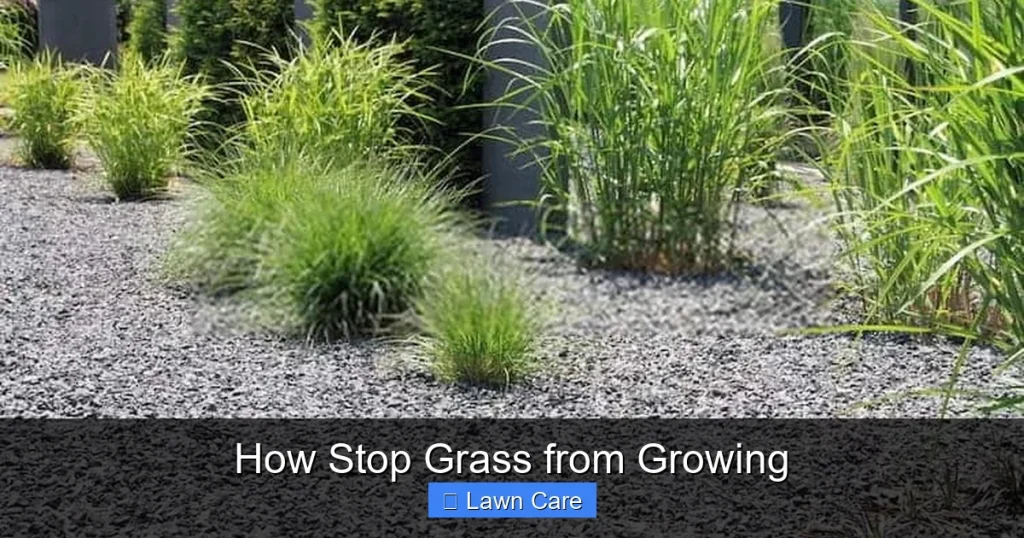
Tired of grass invading your flower beds, pathways, or garden borders? This comprehensive guide will show you exactly how to stop grass from growing in those unwanted spots. We cover a range of solutions, from natural methods to chemical treatments, so you can achieve a neat and tidy landscape. Learn how to prevent grass regrowth and maintain your desired garden aesthetics with our expert advice.
# How Stop Grass from Growing
Welcome to your ultimate guide on how to stop grass from growing in those places where it’s just not wanted. We all love a lush, green lawn, but sometimes grass can be a bit too enthusiastic, creeping into flower beds, pathways, driveways, and even vegetable gardens. It can be a persistent problem, but with the right knowledge and techniques, you can effectively reclaim your space and keep it looking neat and tidy.
This guide will walk you through various methods, from simple physical barriers to more potent solutions. Whether you’re looking for eco-friendly approaches or need a more aggressive solution for stubborn grass, we’ve got you covered. Let’s dive in and learn how to stop grass from growing where you don’t want it.
## Understanding Why Grass is Growing Where You Don’t Want It
Before we jump into solutions, it’s helpful to understand why grass might be taking root in unwanted areas. Often, it’s simply a matter of opportunity. Grass seeds are incredibly resilient and can be carried by wind, water, or even on the soles of your shoes.
* **Soil Exposure:** Bare patches of soil are an open invitation for grass seeds to germinate. This is common around pathways, garden edges, or in areas where mulch has thinned out.
* **Nutrients and Water:** Grass, like any plant, needs nutrients and water to grow. If there’s a source of these, even in an unexpected spot, grass can establish itself.
* **Shade and Sun:** Different grass types have different light requirements. What might thrive in one spot could struggle elsewhere, but many common lawn grasses are quite adaptable.
* **Spreading Roots:** Some types of grass, like Bermuda grass, spread aggressively via underground rhizomes and stolons. This is a common reason for grass appearing in areas it shouldn’t, like flower beds. Dealing with invasive grasses requires specific strategies, and you might find our guide on how to stop Bermuda grass from spreading in flower beds very useful.
By understanding the cause, you can better choose the most effective method for stopping grass growth.
## Physical Barriers: The First Line of Defense
One of the most effective and long-term strategies for stopping grass from growing in unwanted areas is to create physical barriers. These methods aim to prevent grass from encroaching in the first place.
### Installing Edging
Edging is a fantastic way to create a clear demarcation between your lawn and garden beds, pathways, or driveways. It acts as a physical wall that grass roots struggle to cross.
* **Materials:** You can choose from various materials like plastic, metal, stone, or brick. The best choice depends on your aesthetic preferences and budget.
* **Installation:** Dig a trench along the border where you want to stop grass growth. The trench should be at least 4-6 inches deep. Place your chosen edging material into the trench, ensuring it’s secure and stable. For deeper roots or aggressive grasses, you might consider digging a deeper trench or using a root barrier material specifically designed to stop root spread.
* **Maintenance:** Regularly check your edging to ensure it hasn’t been displaced or damaged. Over time, soil can build up, reducing the effectiveness of the barrier.
### Using Landscape Fabric or Mulch
Landscape fabric, also known as weed barrier fabric, can be a very effective tool. When laid down and covered with mulch or gravel, it suppresses weed and grass growth.
* **How it Works:** This fabric is permeable, allowing water and air to pass through but blocking sunlight, which is essential for grass seeds to germinate and for existing grass to survive.
* **Installation:** Clear the area of existing grass and weeds. Lay down the landscape fabric, overlapping edges by at least 6 inches to prevent any gaps. Secure the fabric with landscape staples. Then, cover the fabric with a layer of mulch (wood chips, bark, etc.) or gravel.
* **Limitations:** Over time, soil and organic matter can accumulate on top of the fabric, creating a medium for grass to grow. You may need to top up your mulch or gravel periodically and may still need to pull out any grass that manages to sprout. If you are finding grass growing through your mulch, our guide on how to stop grass from growing through mulch offers specific advice.
## Natural Methods for Grass Removal
If you prefer to avoid chemicals or are dealing with smaller, contained areas, natural methods can be very effective. These are generally safer for the environment and for pets and children.
### Boiling Water
This is a simple, effective, and chemical-free way to kill grass. It’s best for small areas like cracks in a patio or walkway.
* **Process:** Carefully pour boiling water directly onto the grass you want to eliminate. The heat will shock and kill the plant’s cells.
* **Repetition:** You might need to repeat this process several times, especially for established grass, to ensure it’s completely eradicated. Be careful not to pour boiling water on plants you want to keep!
### Vinegar Solution
Vinegar, particularly horticultural vinegar with a higher acidity (10-20% acetic acid), can be used as a natural herbicide. Standard household vinegar (5% acetic acid) can also work, but it may require more applications.
* **How to Use:** Mix vinegar with a tablespoon of dish soap (which helps the vinegar stick to the grass blades) and pour it into a spray bottle. Spray the solution directly onto the grass, ensuring good coverage of the leaves.
* **Timing:** Apply on a sunny, warm day, as this is when the vinegar will be most effective.
* **Caution:** Vinegar is non-selective, meaning it will kill any plant it comes into contact with. Use it carefully, avoiding desirable plants, and be aware that it can alter soil pH temporarily. It’s a good option for stopping grass growing in gravel or on hard surfaces.
### Solarization
This method uses the sun’s heat to “cook” and kill unwanted vegetation. It’s best suited for larger areas that you want to clear completely, like a neglected garden bed, before replanting.
* **Process:** Mow the grass as short as possible. Water the area thoroughly. Cover the entire area with clear plastic sheeting, burying the edges to trap heat and moisture.
* **Duration:** Leave the plastic in place for 4-6 weeks during the hottest part of the year. The trapped heat will kill grass, seeds, and many soil-borne pathogens.
* **Effectiveness:** This method is very effective but requires patience and is dependent on strong sunlight.
### Manual Removal and Digging
Sometimes, the most straightforward approach is the best. For smaller patches or when you want immediate results, digging out the grass is an option.
* **Technique:** Use a spade or garden fork to dig out the grass and its roots. Try to get as much of the root system as possible.
* **Follow-up:** After removing the grass, consider covering the area with mulch or landscape fabric to prevent new growth.
## Chemical Solutions for Stubborn Grass
When natural methods aren’t sufficient, or for larger infestations, chemical herbicides might be necessary. It’s crucial to use these products responsibly and according to label instructions.
### Non-Selective Herbicides
These herbicides kill any plant they come into contact with, including grass. They are useful for clearing entire areas of unwanted vegetation before planting something new or for areas where no other plants are present.
* **Common Ingredients:** Glyphosate (e.g., Roundup) is a common active ingredient in non-selective herbicides.
* **Application:** Apply directly to the grass. Avoid spraying on windy days to prevent drift onto desirable plants. You may need multiple applications for tough grasses.
* **Safety:** Always wear protective clothing (gloves, long sleeves, pants, eye protection) when using herbicides. Read and follow the label instructions carefully. Consider the impact on soil health and surrounding ecosystems.
### Selective Herbicides
Selective herbicides are designed to kill specific types of plants while leaving others unharmed. They are less common for stopping lawn grass from growing in non-lawn areas, as most selective herbicides target broadleaf weeds, not grasses. However, if you are trying to prevent a specific invasive grass species from spreading into your lawn, they might be an option.
* **Important Note:** Most herbicides that kill grasses will also kill your desirable lawn grass. Therefore, using a non-selective herbicide is usually the go-to for removing grass from areas like garden beds or walkways.
### Pre-Emergent Herbicides
Pre-emergent herbicides work by preventing weed and grass seeds from germinating. They are not effective against established grass.
* **Use Case:** These are best used as a preventative measure in areas where you’ve successfully removed grass and want to stop new growth from starting.
* **Application:** Apply them to bare soil or over mulch. They need to be watered in to become active.
* **Timing:** Apply at the right time of year for the specific weed or grass you are trying to control.
## Troubleshooting and Prevention
Even after removing grass, it can be persistent. Here are some tips for troubleshooting and preventing its return.
### Dealing with Re-growth
* **Persistence is Key:** Don’t get discouraged if grass starts to grow back. Continue with your chosen method, whether it’s hand-pulling, reapplying vinegar, or using a spot treatment with herbicide.
* **Check Your Barriers:** Ensure your edging is deep enough and that there are no gaps in your landscape fabric.
* **Improve Soil Conditions:** Sometimes, grass thrives because the soil is overly compacted or lacks drainage. Aerating compacted soil and ensuring good drainage can make the area less hospitable to unwanted grass.
### Preventing Future Growth
* **Maintain Edging and Barriers:** Regularly inspect and maintain any physical barriers you have in place.
* **Keep Areas Covered:** Ensure mulch layers are at least 2-3 inches deep. Replenish as needed.
* **Water Wisely:** Avoid overwatering areas where you don’t want grass. Water only when necessary.
* **Address Bare Spots:** Promptly fill in any bare patches of soil that might appear, as these are prime spots for grass seeds to germinate.
* **Consider Ground Cover:** For areas like steep slopes or between pavers, consider planting ground cover plants that will outcompete grass.
## Conclusion
Stopping grass from growing where it’s not wanted is achievable with the right approach. Whether you opt for physical barriers, natural solutions, or chemical treatments, consistency and understanding the root cause are vital. By implementing these strategies, you can effectively manage unwanted grass and maintain the beautiful, tidy landscape you desire. Remember that prevention is always easier than cure, so maintaining your barriers and keeping an eye on potential problem areas will save you a lot of effort in the long run.
- Identify the “Why”: Understanding why grass is growing where you don’t want it is the first step to effectively stopping it.
- Physical Barriers are Key: Edging and landscape fabric can prevent grass from spreading into specific areas.
- Natural Methods Offer Eco-Friendly Solutions: Boiling water, vinegar, and manual removal can be effective for smaller areas or for those who prefer organic options.
- Chemical Herbicides Provide Potent Results: Non-selective and selective herbicides can be used for stubborn grass problems, but require careful application.
- Prevention is Better Than Cure: Regular maintenance and proactive measures are crucial to keep grass from returning.
- Consider the Location: The best method for stopping grass growth depends heavily on where it’s growing and your personal preferences.