For the best overseeding results, mow your lawn to about 1 to 1.5 inches tall before overseeding. Cutting the grass this short helps the seed reach the soil more effectively, ensuring better germination and a thicker, healthier lawn. Always remove clippings afterward to prevent them from smothering new seeds.
Mowing your lawn to the right height before overseeding is crucial to give the seeds the best chance to thrive. If you cut too short, you risk stressing the grass or exposing the soil excessively; too tall, and the seeds might struggle to contact the soil properly. The ideal height balances accessibility for the seeds and the protection of existing grass. Preparing your lawn properly—by mowing to the recommended height, clearing debris, and aerating if needed—sets the stage for successful overseeding and creates a lush, vibrant yard you’ll love.

How Short to Mow Lawn Before Overseeding: The Complete Guide
Understanding the Importance of Proper Lawn Height Before Overseeding
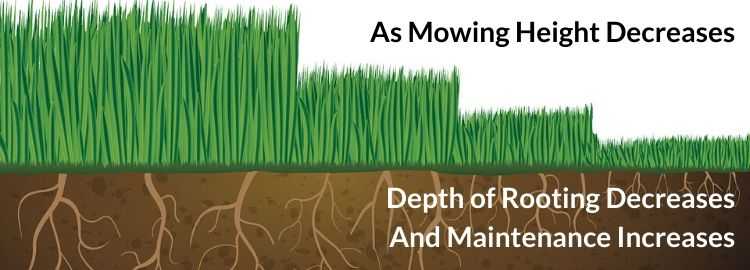
Mowing the lawn to the correct height before overseeding is crucial for successful grass growth. When the grass is too tall, new seeds may struggle to reach the soil and establish roots effectively. Conversely, mowing too short can expose the soil, leading to weed invasion and moisture loss.
A balanced mowing height creates an optimal environment for seed-to-soil contact. This contact helps seeds germinate faster and develop strong roots. For best results, aim for a lawn height that balances grass health with seed accessibility.
Ideal Mowing Height Before Overseeding
Generally, the recommended mowing height before overseeding is between **1.5 to 2 inches**. This range provides a thin layer of remaining grass that protects the soil and encourages new growth.
To determine your ideal height, consider the type of grass you have:
- Cool-season grasses: Such as Kentucky bluegrass, fescue, and ryegrass, are best mowed to **around 2 inches**.
- Warm-season grasses: Like Bermuda, Zoysia, and St. Augustine, thrive when cut to **about 1.5 inches**.
Maintaining these heights ensures the young seedlings have enough light and space to develop while staying protected from weeds and drought.
How to Mow Correctly Before Overseeding
Proper mowing technique prepares your lawn for overseeding effectively:
- First, set your mower to the recommended height based on your grass type.
- Remove any debris and dead grass to allow seed-to-soil contact.
- Ensure the mower blades are sharp to give a clean cut, reducing stress on the grass.
- Mow gradually over several sessions if your grass is very tall or overgrown, avoiding cutting more than one-third of the blade height at a time.
This careful approach minimizes stress and prepares the ground for optimal seed germination.
Dealing with Overgrown or Tall Grass
If your lawn has become very tall or overgrown, it’s best to mow it gradually rather than cutting it all at once. Cutting in stages over a few days helps prevent stressing the grass roots.
Start by reducing the height to about 50% of its current height during the first mow. Then, mow again to achieve the desired 1.5 to 2 inches after a few days. This process encourages healthy regrowth and bed preparation for overseeding.
Preparing the Soil After Mowing
Once you’ve mowed your lawn to the proper height, focus on preparing the soil:
- Aerate the soil: Use a core aerator to create holes that allow air, water, and nutrients to reach the roots. Aeration also helps loosen compacted soil, improving seed contact.
- Remove thatch: Thatch is the layer of dead grass and roots that can prevent seed penetration. Raking or dethatching will help expose soil for better seed contact.
- Level the surface: Fill in any low spots and remove rocks or debris to create an even surface for overseeding.
Proper soil preparation significantly boosts seed germination and healthy turf growth.
Additional Tips for Successful Overseeding
Besides mowing, consider these factors:
- Timing: Overseed during the grass’s active growth periods. For cool-season grasses, early fall or spring is ideal. Warm-season grasses benefit from late spring or early summer planting.
- Seed selection: Use high-quality seed suited for your climate and lawn conditions to ensure hearty growth.
- Seed application method: Use a broadcast spreader for even distribution. Lightly rake the seeds into the soil or apply a thin layer of topsoil or compost to improve seed contact.
- Moisture management: Keep the soil consistently moist but not waterlogged until new grass is established. Water lightly multiple times a day if necessary.
Common Mistakes to Avoid
Avoid these pitfalls to ensure your overseeding project succeeds:
- Mowing too short: Cutting below 1.5 inches can weaken the existing grass and expose soil to weeds.
- Not preparing the soil properly: Failing to aerate or remove thatch can prevent seed contact and germination.
- Overseeding on dry soil: Always water your lawn before and after overseeding to improve seed germination.
- Overdoing it with fertilizer: Excess fertilizer can promote weeds and excessive thatch, hindering new growth.
Mowing your lawn to the right height before overseeding is one of the most important steps for a lush, healthy lawn. Keeping the grass between **1.5 to 2 inches** allows for good seed-to-soil contact and protects young seedlings. Proper mowing, soil preparation, and watering all work together to create an environment where grass can thrive and fill in bare spots. Taking time to follow these steps will help your overseeding efforts succeed and give you a beautiful, dense lawn to enjoy.
Overseed Your Lawn Like A Pro: 3 Must-Know Tips For Success
Frequently Asked Questions
How does mowing height affect seed-to-soil contact during overseeding?
Maintaining a slightly higher mowing height allows more leaf area, which helps protect the soil and keeps it moist. When you mow too short, you remove much of the grass blade, exposing the soil and making it harder for seeds to establish. A proper mowing height ensures better seed-to-soil contact, leading to improved germination rates.
Why is it important to mow the lawn before overseeding if the grass is too tall?
Cutting tall grass before overseeding reduces competition for nutrients and space, making it easier for new seeds to grow. Tall grass can shade the soil, preventing sunlight from reaching the seeds and slowing germination. A shorter lawn creates a more ideal environment for new grass roots to establish quickly.
What mowing height should I aim for to prepare my lawn for overseeding?
Set your mower to cut the grass to about 1.5 to 2 inches in height. This length is short enough to expose the soil for seed contact but still tall enough to protect new seeds from extreme weather conditions and foot traffic. Adjust the mower settings based on your grass type to achieve the optimal height.
How does mowing frequency impact the success of overseeding?
Frequent mowing helps keep the existing grass healthy and manageable, allowing you to maintain the proper height for overseeding. Regular mowing also prevents the grass from becoming too thick or woody, which can hinder seed penetration and germination. Consistent mowing creates an ideal environment for new grass to take root.
Should I remove grass clippings after mowing before overseeding?
Yes, removing grass clippings ensures the soil surface remains clear and allows seeds to make direct contact with the soil. Accumulated clippings can create a barrier, preventing seeds from establishing roots. Raking or collecting clippings before overseeding promotes better seed-to-soil contact and a healthier lawn overall.
Final Thoughts
The ideal length for mowing before overseeding is about 1.5 to 2 inches. Cutting the grass too short can weaken roots and reduce seed contact with the soil.
Leave the lawn slightly longer than usual to protect the grass and promote healthy growth. This height ensures good seed-to-soil contact, which is crucial for successful overseeding.
In conclusion, how short to mow lawn before overseeding plays a vital role in its success. Maintain the grass at around 1.5 to 2 inches for best results and healthy new growth.