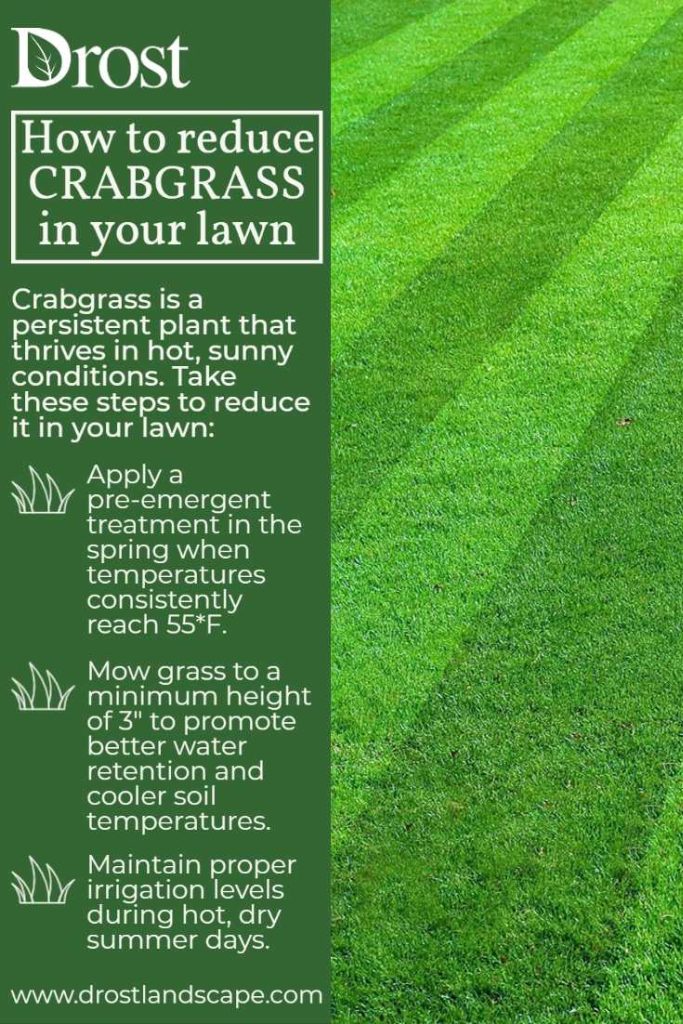
Quick Answer: Proper crabgrass care, such as regular watering and mowing, can help conserve water by preventing the growth of this invasive weed.
Are you tired of seeing crabgrass take over your lawn every year? Not only does this fast-spreading weed ruin the aesthetic appeal of your yard, but it also requires a significant amount of water to thrive. Fortunately, there are simple steps you can take to combat crabgrass and conserve water at the same time. By implementing proper crabgrass care practices, you can minimize its growth and reduce the need for excessive watering. In this blog article, we will explore how maintaining a healthy lawn, using pre-emergent herbicides, and adopting eco-friendly watering techniques can help you in your battle against crabgrass while also promoting water conservation. So, let’s dive in and discover how you can achieve a lush, crabgrass-free lawn while preserving this precious natural resource.

How Proper Crabgrass Care Can Help Conserve Water
The Impact of Crabgrass on Water Consumption
Crabgrass, scientifically known as Digitaria, is a common weed that can quickly invade lawns and gardens. While it may seem harmless, this invasive plant can have a significant impact on water consumption. Here, we will explore how proper crabgrass care can help conserve water and why it is essential to address this weed issue.
1.
The Competitive Nature of Crabgrass
Crabgrass is incredibly competitive and can rapidly spread, taking up valuable resources such as water, nutrients, and sunlight. Its aggressive growth habit allows it to outcompete desired turfgrass and plants, leading to water wastage. As crabgrass thrives in sunny and dry conditions, it often outperforms other lawn species during summer months when water is already scarce.
2.
Inefficient Water Usage
Not only does crabgrass take up water that could be used by desirable plants, but it also utilizes water inefficiently. Its shallow root system can quickly absorb any available water, but it fails to retain moisture effectively. As a result, there is a higher risk of water runoff and evaporation, leading to water loss.
3.
Crabgrass Prevention and Reduced Water Consumption
By preventing crabgrass growth and maintaining a weed-free lawn, homeowners can significantly reduce water consumption. Here are some tips to help you conserve water through proper crabgrass care:
– Adequate Lawn Maintenance: Regular mowing, appropriate fertilization, and proper irrigation techniques can help maintain a healthy lawn, making it more resistant to weed invasion.
– Timely Pre-emergent Herbicide Application: Applying pre-emergent herbicides at the right time can effectively prevent crabgrass seeds from germinating, reducing the need for excessive watering later on.
– Proper Watering Practices: Implementing efficient watering practices, such as deep and infrequent watering, promotes deep root growth in desirable turfgrass while discouraging shallow root development in crabgrass.
– Effective Weed Control: Using selective herbicides under professional guidance can target crabgrass without harming desirable plants, minimizing the need for excessive watering and reducing water waste.
– Regular Lawn Aeration: Aerating your lawn removes compaction, enhances water infiltration, and improves the overall health of your turfgrass, reducing the chances of crabgrass invasion and water wastage.
The Environmental Benefits of Proper Crabgrass Care
Proper crabgrass care not only conserves water but also provides various environmental benefits. Let’s explore these benefits in more detail:
1.
Preservation of Water Resources
Conserving water through efficient crabgrass control helps preserve this valuable natural resource. By reducing water consumption in our lawns and gardens, we contribute to the overall conservation and sustainability of water resources, particularly in regions prone to drought or water scarcity.
2.
Promotion of Biodiversity
Crabgrass, though considered a weed, can provide some ecological value by serving as a temporary ground cover in disturbed areas. However, excessive crabgrass growth can hinder the growth and diversity of native plant species. By controlling crabgrass, we can encourage the growth of diverse and native plants, supporting local wildlife and pollinators.
3.
Enhancement of Aesthetic Appeal
A well-maintained lawn, free from invasive crabgrass, adds aesthetic value to our surroundings. It creates an inviting and visually pleasing landscape, contributing to a healthier and more enjoyable outdoor environment.
4.
Reduced Chemical Usage
Proper crabgrass care, including timely preventive measures and cultural practices, reduces the need for excessive chemical applications. This not only minimizes potential environmental pollution but also promotes a healthier ecosystem by preserving beneficial organisms such as earthworms and microorganisms in the soil.
In conclusion, proper crabgrass care plays a crucial role in conserving water and promoting environmental sustainability. By understanding the impact of crabgrass on water consumption and implementing effective control measures, we can reduce water waste, preserve water resources, support biodiversity, enhance the aesthetic appeal of our landscapes, and minimize chemical usage. Remember, maintaining a healthy lawn starts with proactive weed management and efficient watering practices.
How to Get Rid of Crabgrass (4 Easy Steps)
Frequently Asked Questions
How can proper crabgrass care help conserve water?
Proper crabgrass care can help conserve water by reducing the amount of water needed for your lawn. By effectively managing and controlling crabgrass, you can prevent it from competing with your grass for water, allowing your lawn to thrive with less irrigation.
What steps should I take to properly care for crabgrass?
To properly care for crabgrass, you should start by regularly mowing your lawn to a height of 2-3 inches. This promotes a healthy lawn and prevents crabgrass from spreading. Additionally, applying a pre-emergent herbicide in early spring can prevent crabgrass seeds from germinating. Ensuring your lawn receives adequate water, sunlight, and nutrients will also help keep crabgrass at bay.
How does crabgrass affect water usage in my lawn?
Crabgrass can significantly increase water usage in your lawn as it competes with your grass for water. Since crabgrass is highly invasive and spreads quickly, it can crowd out your grass and deplete water resources. By controlling crabgrass growth, you can reduce the amount of water required to maintain a healthy, lush lawn.
Can proper crabgrass care reduce my water bills?
Yes, proper crabgrass care can help reduce your water bills. By effectively managing crabgrass and promoting a healthy lawn, you will need less water for irrigation. This can lead to significant savings in water consumption and lower water bills over time.
What are the benefits of conserving water through proper crabgrass care?
Conserving water through proper crabgrass care offers several benefits. It promotes environmental sustainability by reducing water waste. It also saves you money by lowering your water bills. Additionally, a healthy lawn with controlled crabgrass enhances your overall landscape aesthetics and improves the ecosystem of your yard.
How frequently should I water my lawn to maintain proper crabgrass care?
The frequency of watering your lawn depends on various factors such as the type of soil, climate, and grass species. Generally, it is recommended to water deeply and infrequently. Watering your lawn once or twice a week with about an inch of water is usually sufficient to maintain healthy grass while minimizing crabgrass growth.
Final Thoughts
Proper crabgrass care is an essential aspect of conserving water in our environment. By regularly maintaining our lawns, we can prevent crabgrass from overtaking and depriving other plants of essential moisture. A well-nourished and healthy lawn also promotes water retention, reducing the need for excessive watering. Additionally, frequent mowing and aeration help to prevent water runoff and maximize absorption into the soil. Implementing these practices not only ensures a beautiful and vibrant lawn but also contributes to water conservation. Take charge of your lawn today and start making a positive impact on water conservation through proper crabgrass care.