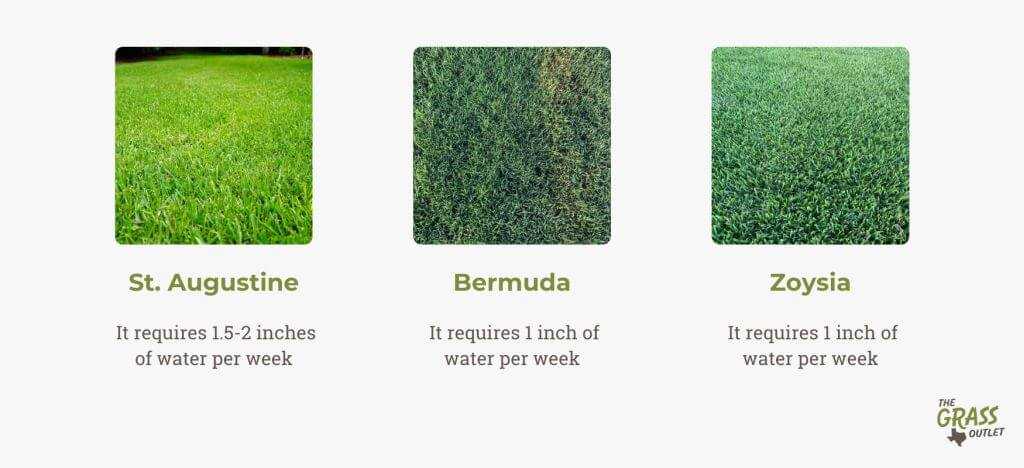
Water bermuda grass deeply but infrequently—generally once a week during the growing season is sufficient—ensuring it gets about 1 to 1.5 inches of water. Adjust frequency based on weather, soil type, and lawn usage to keep it lush and healthy.
To keep your bermuda grass vibrant and resilient, knowing how often to water is key. Typically, deep watering once a week provides enough moisture to encourage strong root growth and drought tolerance. During hot, dry spells, you might need to water more often, while cooler, rainy periods could mean less frequent watering. Proper irrigation helps your lawn stay green and healthy without wasting water or promoting disease. It’s all about striking that balance to keep your bermuda grass thriving through the seasons.

How Often Should I Water Bermuda Grass? A Complete Guide
Understanding the Water Needs of Bermuda Grass
Bermuda grass is a popular warm-season turf known for its durability and lush appearance. To keep it healthy and green, it is essential to provide the right amount of water. Overwatering can lead to issues like fungal diseases, while underwatering can cause the grass to turn brown and become weak. Knowing how often to water Bermuda grass helps maintain its overall health and appearance.
Factors Influencing Watering Frequency
Several elements affect how often Bermuda grass needs watering. These include climate conditions, soil type, grass health, and time of year. Each factor influences the water absorption rate and the grass’s ability to retain moisture. Adjust watering practices based on these conditions to ensure optimal growth.
Climate and Weather Conditions
Warm, dry climates require more frequent watering because of higher evaporation rates. During hot summer days, Bermuda grass may need watering every day or every other day. Conversely, in cooler or more humid weather, watering frequency can be reduced. Rainfall naturally supplies moisture, so be sure to monitor local weather reports.
Soil Type and Drainage
Soil composition plays a critical role in watering needs. Sandy soils drain quickly and often require more frequent watering to prevent the grass from drying out. Clay soils retain moisture longer, meaning watering can be less frequent but deeper. Proper soil drainage also prevents waterlogging, which can damage Bermuda grass.
Time of Year and Growing Season
Bermuda grass grows actively during warm months. It needs consistent watering in spring and summer for optimal growth. In cooler months or dormancy periods, watering frequency can be reduced. Reflect on the grass’s growth cycle and adjust watering accordingly.
How Much Water Does Bermuda Grass Need?
Understanding the quantity of water Bermuda grass requires is just as important as knowing when to water. As a general rule, Bermuda grass needs about 1 to 1.5 inches of water per week to stay healthy. This amount can be supplied through rainfall and supplemental irrigation.
Deep Watering Encourages Strong Roots
Deep watering involves soaking the soil to a depth of 6 to 8 inches. This encourages roots to grow deeper into the soil, making the grass more drought-resistant. Shallow watering, on the other hand, promotes shallow roots that are more vulnerable to drought stress.
How to Measure Watering Effectiveness
Use a rain gauge or shallow containers to monitor how much water your irrigation provides. Place the containers in different areas of your yard. When they fill to 1 inch, you know your watering has delivered the recommended weekly amount.
Best Practices for Watering Bermuda Grass
Adopting proper watering practices ensures your Bermuda turf remains lush and healthy. Here are some tips to optimize your watering routine:
- Water Early in the Morning: Doing so minimizes evaporation and pests while promoting quick drying of the grass surface.
- Water Deeply but Infrequently: Aim for infrequent, deep watering sessions rather than daily shallow watering to develop strong roots.
- Adjust According to Weather: Increase watering during hot, dry spells and reduce during rainy periods.
- Use Efficient Irrigation Systems: Sprinklers or automatic irrigation systems provide uniform coverage and help prevent overwatering or underwatering.
Signs That Your Bermuda Grass Needs Water
Recognizing when Bermuda grass needs watering can save it from stress and damage. Look for these signs:
- Blue-gray or dull appearance: Indicates dehydration.
- Footprints remaining visible: Shows the grass is not bouncing back quickly, signaling it needs water.
- Grass blades folding or curling: A natural response to dry conditions.
- Soil pulling away from the edges of the turf: Suggests the soil is too dry underneath.
Watering Schedule Recommendations
Based on typical conditions, here are guidelines for Bermuda grass:
| Season | Frequency | Amount of Water per Session |
|---|---|---|
| Spring and Early Summer | Twice a week | 1 to 1.5 inches per session |
| Peak Summer | Every other day or daily during extreme heat | Deep soak to 6-8 inches |
| Fall | Once a week or less | Adjust based on rainfall |
| Winter (Dormant Period) | Rarely needed, unless dry spells occur | Minimal or no supplemental watering |
Impact of Overwatering and Underwatering
Proper water management is vital to prevent common issues:
Overwatering
Excess water can lead to shallow root growth, fungal diseases like brown patch, and increased weed growth. Ensuring proper drainage and watering only as needed helps avoid these problems.
Underwatering
Lack of sufficient water causes grass to turn brown, become patchy, and be more susceptible to pests. It weakens the turf and reduces its ability to recover from damage.
Adjusting Watering Practices for Different Areas
Different zones in your yard may have varied needs. For example:
- Shaded Areas: Require less frequent watering due to lower evaporation and slower drying.
- Sunny Spots: May need more frequent watering to compensate for higher heat and sun exposure.
- Sloped Land: Drainage and runoff affect watering needs; irregular watering may be necessary.
Using Technology to Optimize Watering
Modern irrigation technology can help manage Bermuda grass watering efficiently:
- Smart Sprinkler Systems: Programmed to water at optimal times and durations based on weather conditions.
- Soil Moisture Sensors: Measure moisture levels directly in the soil and prevent overwatering.
- Rain Sensors: Automatically turn off sprinklers during rain, saving water and avoiding oversaturation.
Summary of Key Points
To keep Bermuda grass healthy:
- Water deeply to promote deep roots.
- Adjust frequency based on climate, soil, and season.
- Monitor signs of drought stress or overwatering.
- Use appropriate technology for efficient watering.
Getting the watering balance right for Bermuda grass involves understanding its unique needs and environmental factors. Consistent, deep watering combined with attentive observation can ensure your lawn stays vibrant and healthy through the seasons. Remember to adapt your routine as weather conditions change and to use efficient tools to conserve water. Proper watering not only benefits the grass but also supports a lush, green landscape you’ll love to see every day.
Watering Bermuda Grass Lawn
Frequently Asked Questions
How does weather affect the watering schedule for Bermuda grass?
Weather conditions play a significant role in determining how often you should water Bermuda grass. During hot, dry periods, the grass may require more frequent watering to stay healthy and prevent drought stress. Conversely, during cooler or rainy seasons, you can reduce watering frequency as the natural moisture from rain often suffices. Keep an eye on local weather forecasts and adjust your watering schedule accordingly to ensure your Bermuda grass remains vibrant without overwatering.
What signs indicate that Bermuda grass needs watering?
Look for signs such as footprints remaining visible longer than usual, a bluish-gray tint to the grass, or the grass feeling soft and wilted. These indicators suggest the grass is lacking sufficient moisture. Address these signs promptly by watering deeply to restore moisture levels, which encourages healthy root growth and maintains a lush appearance.
How deep should I water Bermuda grass each session?
Water Bermuda grass deeply enough to moisten the soil to a depth of 6 to 8 inches. Deep watering encourages the development of strong, extensive roots, making the grass more resilient to drought and high temperatures. Use a sprinkler system that delivers consistent, thorough coverage and water until you see water begin to infiltrate deeper into the soil.
How often should I adjust my watering schedule during the summer?
During summer months, you typically need to water Bermuda grass two to three times per week, depending on rainfall and soil type. In extremely hot or windy conditions, you may need to water more frequently. Always verify soil moisture levels and ensure the grass receives adequate water without becoming oversaturated to prevent issues like fungal diseases.
Can overwatering harm Bermuda grass?
Yes, overwatering can lead to problems such as shallow root growth, fungal infections, and disease development. It can also cause water runoff and wastage. To avoid these issues, focus on watering deeply and infrequently, allowing the soil to dry slightly between waterings. Proper scheduling promotes healthier, more drought-resistant grass.
Final Thoughts
You should water Bermuda grass once or twice a week, depending on weather conditions and soil type. During hot, dry spells, increase watering frequency to keep the grass healthy. Avoid overwatering, as it can lead to root rot and other issues.
Monitoring soil moisture helps determine the right watering schedule. Generally, aim for about 1 to 1.5 inches of water per week.
In conclusion, how often should I water Bermuda grass? Consistency is key; water deeply once or twice weekly to maintain a lush lawn.