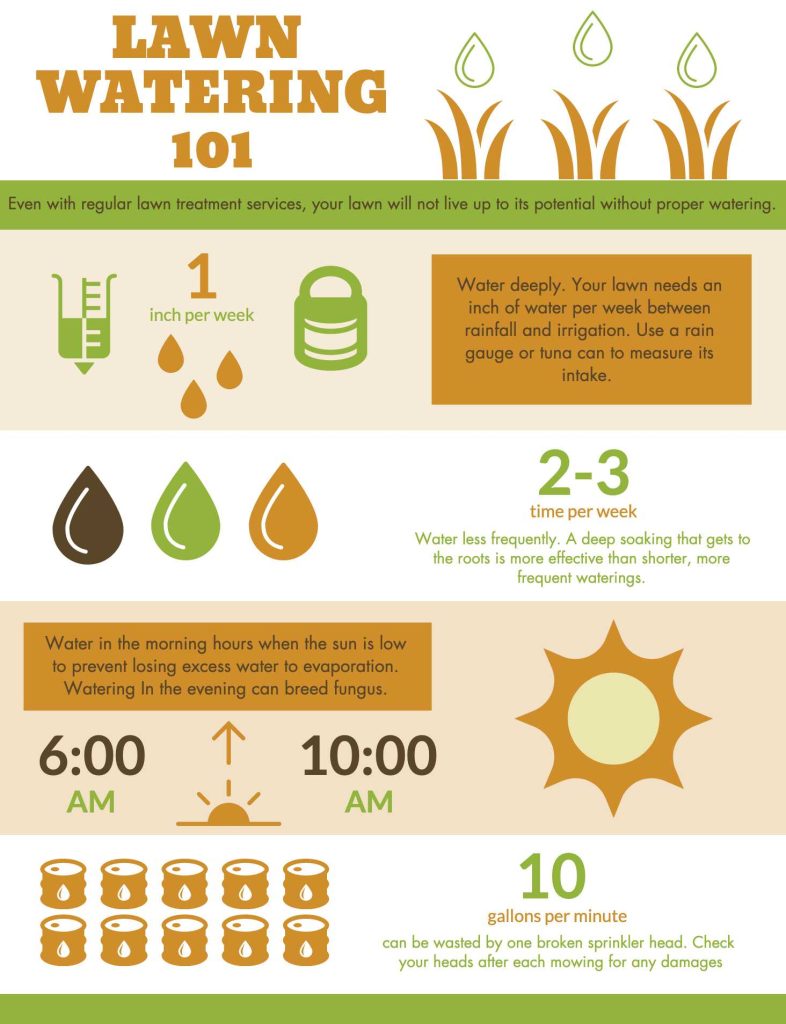
Water Bermuda grass thoroughly once or twice a week, ensuring deep soaking to promote healthy root growth, especially during hot or dry periods. Adjust the frequency based on weather conditions and soil moisture levels to keep your lawn lush and vibrant.
For a beautiful, green Bermuda grass lawn, understanding how often to water is key. The right watering routine can make all the difference in maintaining a healthy, resilient turf. Overwatering can lead to shallow roots and disease, while underwatering causes stress and browning. Generally, Bermuda grass thrives with deep, infrequent watering—about once or twice a week—allowing the soil to dry slightly between sessions. During peak summer heat, you might need to water more often, but always aim for deep watering that reaches the root zone. Monitoring your lawn’s appearance and soil condition will help you find the perfect balance to keep your Bermuda grass lively and thriving year-round.

How Often Should I Water Bermuda Grass?
Understanding how often to water Bermuda grass is essential for maintaining a lush, green lawn. Proper watering helps the grass stay healthy, resist drought, and prevent problems like brown patches or disease. The right watering schedule depends on several factors including weather, soil type, and the time of year.
Factors That Influence Watering Frequency
Climate and Weather Conditions
In hot, dry climates, Bermuda grass may need more frequent watering to stay vibrant. Conversely, in cooler or humid areas, the grass requires less watering. During periods of heavy rain, you might not need to water at all.
Soil Type and Drainage
Sandy soils drain quickly and usually require more frequent watering. Clay soils hold moisture longer, so watering less often is sufficient. Good drainage helps prevent waterlogging, which can harm the grass.
Time of Year and Season
During the peak summer months, Bermuda grass needs more frequent watering to combat heat and evaporation. In fall and winter, watering can often be reduced significantly since growth slows down.
How Often Should You Water Bermuda Grass?
General Watering Recommendations
Most experts suggest watering Bermuda grass about two to three times per week during the growing season. Each watering session should deliver roughly 1 to 1.5 inches of water.
Adjusting for Weather and Conditions
If it’s particularly hot and windy, increase watering to prevent dehydration. When rain provides ample moisture, cut back on irrigation. Always monitor soil moisture levels to avoid overwatering or underwatering.
Deep vs. Shallow Watering
Deep watering encourages roots to grow downward, making the grass more drought-tolerant. Shallow watering creates a shallow root system, making the lawn more vulnerable to drought stress.
How to Water Bermuda Grass Effectively
Use Proper Techniques
Instead of quick, light watering, aim for deep soakings that moisten the soil to a depth of 6 to 8 inches. This promotes healthy root development.
Watering Time of Day
The best time to water Bermuda grass is early in the morning. Morning watering allows the grass to dry during the day, reducing disease risk. Avoid watering late in the evening to prevent prolonged dampness.
Tools and Methods
- Sprinklers: Cover large areas evenly and consistently.
- Soaker hoses: Great for deep watering without runoff.
- Watering cans: Suitable for small patches or targeted watering.
Monitoring and Adjusting Your Watering Schedule
Check Soil Moisture
Use a soil moisture meter or dig small holes to assess how deep the water has penetrated. The soil should feel moist but not soggy.
Observe Grass Health
Signs of underwatering include grayish-green color and footprints remaining visible after walking on the lawn. Overwatering shows as soggy soil and lush growth, which can lead to disease.
Seasonal Adjustments
Reduce watering in cooler months when Bermuda goes dormant. Increase during peak growing periods or drought conditions.
Special Considerations for Bermuda Grass
Newly Planted Bermuda
New sod or seed requires more consistent watering—about once daily—to ensure proper rooting. Keep the soil consistently moist but not waterlogged.
Stress and Disease Prevention
Proper watering strengthens the grass and helps prevent common issues like brown patch and dollar spot. Avoid overwatering to reduce fungal growth and disease risks.
Watering During Drought
If facing a drought, water deeply once a week rather than shallowly multiple times. This encourages deeper roots to access water reserves underground.
Common Mistakes to Avoid
Overwatering
Too much water can lead to root rot, fungal diseases, and thatch buildup. Always check soil moisture before watering again.
Underwatering
Insufficient watering causes grass to turn brown and become weak. Regularly monitor your lawn during hot and dry conditions.
Inconsistent Schedule
Maintaining a regular watering routine helps the grass adapt and grow steadily. Irregular watering stresses the grass and encourages weeds and diseases.
Maintaining a healthy Bermuda grass lawn requires understanding the right watering schedule based on your specific conditions. Usually, watering about two to three times a week with deep, thorough soakings will support optimal growth. Adjust your schedule according to weather, soil type, and grass health to keep your lawn green, lush, and resilient all season long.
Watering Bermuda Grass Lawn
Frequently Asked Questions
How do weather conditions influence the watering schedule for Bermuda grass?
Weather conditions play a significant role in determining how often you should water Bermuda grass. During hot and dry periods, the grass tends to dry out faster, requiring more frequent watering, typically every 2 to 3 days. In cooler or more humid weather, the grass retains moisture longer, so watering can be reduced to once a week or less. Monitor your grass regularly and observe soil moisture levels to adjust your watering schedule accordingly.
What signs indicate that my Bermuda grass needs more water?
If your Bermuda grass starts to turn bluish-green or begins to wilt, it likely needs more water. Additionally, footprints may remain visible on the lawn for an extended period after walking on it, indicating that the soil has dried out. Pay attention to the grass’s overall appearance; if it feels limp or shows signs of browning at the tips, it probably requires a deep watering session.
How can I ensure I water Bermuda grass effectively without overwatering?
To water Bermuda grass effectively, apply enough water to penetrate the root zone, which is usually about 4 to 6 inches deep. Use a soaker hose or sprinkler and water until the soil feels moist below the surface. Avoid frequent shallow watering, as it encourages shallow roots and makes the lawn less resilient. Regularly check soil moisture with a soil probe or screwdriver to prevent overwatering, which can lead to disease and root problems.
Final Thoughts
Bermuda grass requires consistent watering to stay healthy and green. Typically, watering two to three times a week provides enough moisture, especially during hot summer months. Adjust your watering schedule based on rainfall and soil conditions for optimal growth.
Ensure the grass receives about 1 to 1.5 inches of water per week, including rainfall. Deep watering encourages strong root development and resilience against drought. Avoid overwatering, which can lead to disease and shallow roots.
How often should I water Bermuda grass? Generally, watering every 2-3 days is sufficient, but always monitor your lawn’s appearance and soil moisture. Proper watering practices help maintain a lush, healthy Bermuda grass lawn.