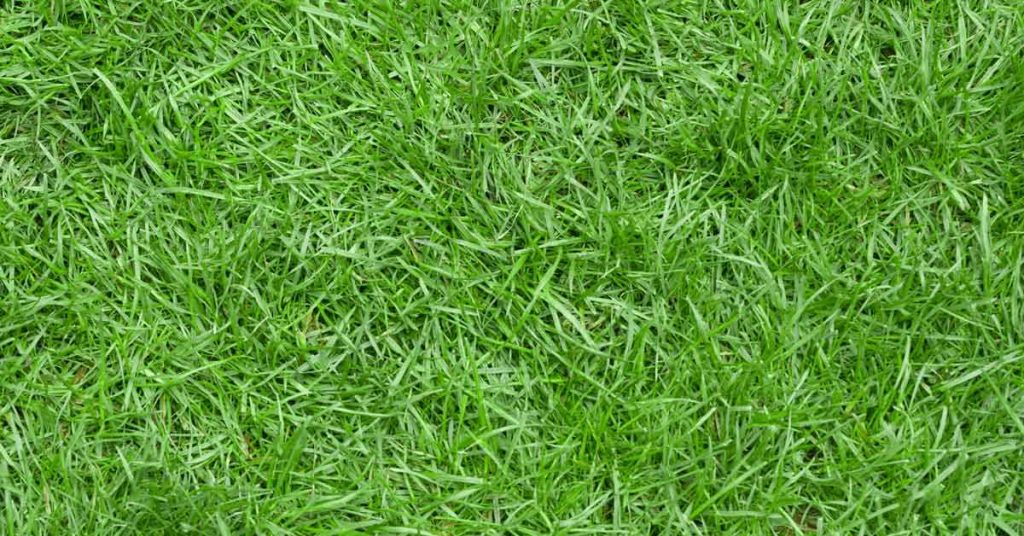
Zoysia grass typically requires about 1 to 1.5 inches of water per week, but this can vary based on factors like climate and soil type. Ensuring your Zoysia lawn gets the right amount of water not only promotes healthy growth but also helps it withstand drought periods. Unlike other grass varieties, Zoysia is quite drought-tolerant, but it still benefits greatly from regular watering, especially in the hotter months. It’s best to water deeply and infrequently, allowing the soil to dry out slightly between waterings. This encourages deep root growth and a more resilient lawn. With the right approach to watering, you can keep your Zoysia grass lush and green throughout the growing season.

How Much Water Does Zoysia Grass Really Need
Zoysia grass is a popular choice for lawns due to its durability and ability to withstand heat and drought. Understanding how much water Zoysia grass needs is essential for maintaining a lush, green lawn. In this section, we will explore the watering requirements of Zoysia grass in detail and provide tips on how to effectively water your lawn.
Understanding Zoysia Grass
Zoysia grass thrives in warm climates and is known for its resilience. It is a warm-season grass that grows well in areas with high temperatures. Zoysia has a dense growth habit that helps it choke out weeds. This makes it an excellent choice for homeowners seeking a low-maintenance lawn.
Zoysia grass can tolerate drought once established, but it still requires adequate water to grow strong and healthy. The grass has a unique root system that allows it to access moisture from deeper soil layers. However, this doesn’t mean it doesn’t need regular watering.
Watering Requirements
During peak growing seasons, Zoysia grass needs approximately **1 to 1.5 inches of water per week**. This can vary based on factors like soil type, temperature, and rainfall.
To determine how much water your lawn is receiving, consider using the following methods:
- Check the rainfall: If it rains, adjust your watering schedule accordingly.
- Use a rain gauge: Place a simple rain gauge in your yard to measure the amount of water your lawn receives each week.
- Monitor the soil: Stick a finger into the soil to check if it’s damp; if it feels dry a few inches down, it’s time to water.
When to Water Zoysia Grass
Timing is critical when watering Zoysia grass. The best time to water is in the early morning. Watering in the morning helps prevent disease and reduces evaporation losses.
If morning watering is not possible, aim to water in the late afternoon or early evening. Avoid watering during the hottest part of the day, as much of the water will evaporate before it can benefit the grass.
Signs Your Zoysia Grass Needs Water
Sometimes, it can be tricky to determine when Zoysia grass needs water. Look for these key indicators:
- Color change: If the grass starts turning a bluish-gray or appears dull, it’s time to water.
- Footprints: If your footprints remain on the grass long after you walk on it, this is a sign of dryness.
- Leaf rolling: When the blades of grass begin to curl or roll, this indicates it is dehydrated.
How to Water Zoysia Grass
Proper watering techniques can make a big difference in how well your Zoysia grass thrives. Aim for deep, infrequent watering instead of frequent light watering. Deep watering encourages deeper root growth, which helps the grass become more drought-resistant.
To water effectively:
- Use a sprinkler: Ensure that your sprinkler system covers the lawn evenly.
- Water at slow rates: Avoid flooding the lawn by watering at slow rates, allowing the soil to absorb moisture.
- Check soil moisture: Before watering, check the soil moisture to avoid overwatering.
Soil Type and Watering
The type of soil in your yard plays a significant role in how much water Zoysia grass needs. Sandy soils drain quickly and may require more frequent watering compared to clay soils, which retain moisture.
Here’s a quick look at different soil types:
- Sandy Soil: Drains quickly; needs more frequent watering.
- Loamy Soil: Retains moisture well; moderate watering required.
- Clay Soil: Holds water; less frequent watering needed.
Understanding your soil type will help you tailor your watering schedule effectively.
Adjusting Watering During Seasons
As temperatures fluctuate, so do the watering needs of Zoysia grass. During the hot summer months, your grass may require more water due to increased evaporation.
In contrast, during cooler months, Zoysia grass will grow slower and require less water. Adjusting your watering schedule based on seasonal changes is crucial for maintaining lawn health.
Watering in Spring
In spring, as Zoysia grass begins to emerge from dormancy, water it regularly to encourage new growth. Aim for about **1 inch of water each week** during this time.
Watering in Summer
Summer is the peak growing season for Zoysia grass. Increase your watering to about **1.5 inches per week** if you experience high heat.
Ensure you are mindful of any rainfall during this period, adjusting your watering schedule accordingly.
Watering in Fall
As temperatures begin to drop in the fall, gradually reduce your watering. The grass will start to slow its growth, and you may find that watering once every two weeks is sufficient.
Common Watering Mistakes
When caring for Zoysia grass, avoiding common watering mistakes can be beneficial. Here are some to watch out for:
- Overwatering: This can lead to shallow roots and disease.
- Inconsistent watering: Irregular watering can stress the grass and lead to patchy growth.
- Watering during peak heat: This wastes water and can promote disease.
Being aware of these pitfalls can help you maintain a healthy lawn.
Using Rain Barrels and Irrigation Systems
Consider using rain barrels to collect rainwater, which can be an eco-friendly watering solution for your Zoysia grass. Additionally, an irrigation system with timers can ensure that your grass receives consistent watering without much effort.
When setting up an irrigation system:
- Choose drip irrigation for targeted watering.
- Set schedules based on weather conditions.
- Regularly check for leaks and clogs in the system.
Maintaining Lawn Health Beyond Watering
While watering is critical for Zoysia grass, other factors contribute to its overall health. Regular mowing, fertilizing, and pest control are essential.
Consider these maintenance tips:
- Mow regularly: Keep Zoysia grass at a height of about **1 to 2 inches**.
- Fertilize: Use a balanced fertilizer during the growing season to promote healthy growth.
- Keep an eye out for pests: Monitor for signs of pests that can damage your lawn.
Maintaining a proper care routine will help keep your Zoysia grass thriving.
Regularly assessing your Zoysia grass for signs of stress and adjusting your watering schedule and methods accordingly will lead to a lush, green lawn. By understanding the specific needs of Zoysia grass and providing the appropriate care, you can enjoy a beautiful lawn all season long.
Your Zoysia Grass: Watering Guide
Frequently Asked Questions
What factors influence the watering needs of Zoysia grass?
The watering needs of Zoysia grass depend on several factors, including soil type, climate, and the grass’s growth stage. Sandy soils drain quickly and may need more frequent watering, while clay soils retain moisture longer. In hotter climates, Zoysia grass may require more water, especially during the summer months. Additionally, newly planted Zoysia grass needs more water to establish roots compared to established grass, which can tolerate dry spells better.
How can I tell if my Zoysia grass needs more water?
One way to determine if your Zoysia grass needs more water is to check the color and firmness of the grass blades. If the grass appears bluish or dull, it likely needs water. You can also perform the “screwdriver test” by using a screwdriver or similar tool to check the soil’s moisture level. If the tool penetrates the soil easily, the moisture level is adequate. If it struggles to penetrate, the grass may be too dry.
Can Zoysia grass survive drought conditions?
Zoysia grass is known for its drought tolerance once it is established. During periods of drought, it can enter a dormant state, where growth slows down, and the grass can survive on minimal moisture. However, for optimal health and appearance, regular watering is recommended, especially during extended dry spells. It is essential to provide deep watering to encourage strong root development.
What is the best time of day to water Zoysia grass?
Watering Zoysia grass early in the morning is ideal. During this time, temperatures are cooler, and wind speeds are lower, which reduces evaporation and allows the grass to absorb more moisture. Avoid watering in the evening, as this can encourage disease by keeping the grass damp overnight.
How often should I water Zoysia grass during the growing season?
During the growing season, Zoysia grass typically requires about 1 to 1.5 inches of water per week, either from rainfall or irrigation. You can divide this amount into two to three watering sessions each week to encourage deep root growth. Adjust watering frequency based on weather conditions, such as rain or temperature extremes.
Final Thoughts
Zoysia grass thrives best with 1 to 1.5 inches of water per week. This amount supports healthy growth while preventing overwatering, which can lead to root diseases.
During hot, dry spells, increase watering to maintain its lush appearance and resilience.
How much water does Zoysia grass really need? Understanding this will help you create a vibrant, green lawn. Proper watering practices ensure that your Zoysia grass stays healthy and attractive throughout the growing season.