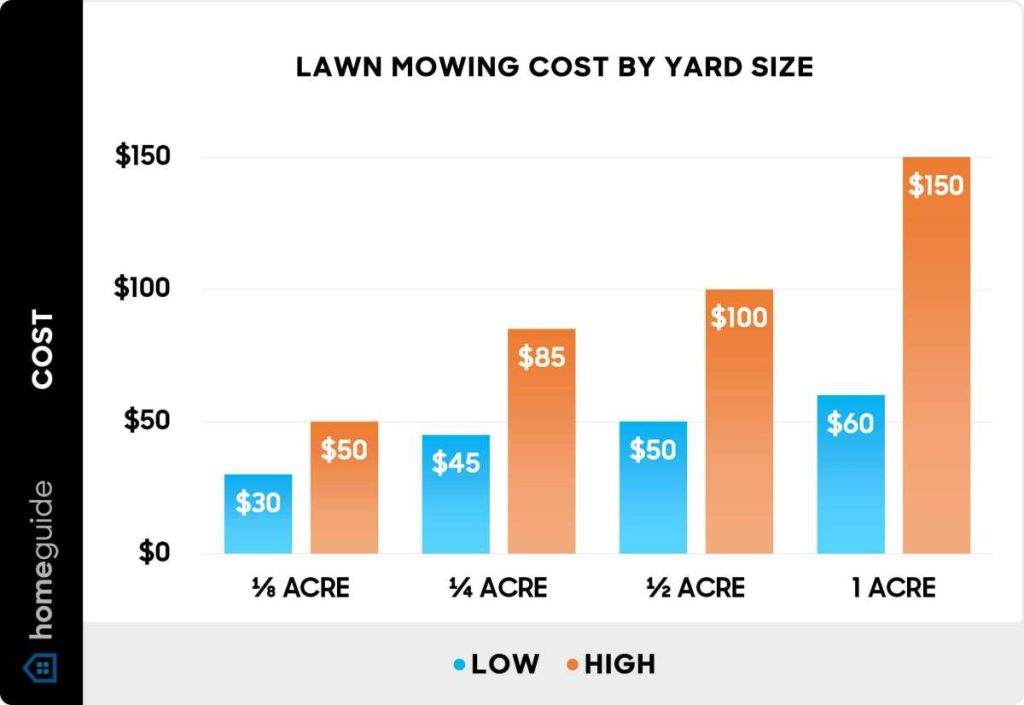
You should charge between $25 and $50 per lawn, depending on its size and complexity. For small, simple lawns, $25 might be enough, while larger or tricky areas could justify $50 or more. To determine your rate, consider the lawn’s size, terrain, and the local market rates; always aim to be competitive but fair.
Choosing the right price for mowing a lawn can feel tricky, but getting it right is key to making a profit while satisfying your clients. Your rate should reflect the effort involved, your expertise, and what others in your area are charging. Factors like lawn size, obstacles, and terrain influence your pricing, so assessing each job individually is essential. Whether you’re just starting out or updating your pricing, understanding these variables helps set a rate that works for both you and your customers. Keep reading to find out how to calculate your charges effectively and attract more clients without undervaluing your work.

How Much Should I Charge to Mow a Lawn? A Complete Guide for Lawn Care Professionals
Understanding the Factors That Affect Lawn Mowing Prices
Determining the right price to mow a lawn depends on several key factors. First, consider the size of the lawn, as larger areas require more time and effort. Second, assess the complexity of the landscape, including obstacles like trees, flower beds, and slopes. Third, evaluate the equipment needed; some jobs may require specialized tools or multiple passes. Lastly, understand local market rates to stay competitive and fair.
How Lawn Size Influences Your Mowing Rate
Lawn size is one of the most significant elements affecting pricing. Small lawns under 1,000 square feet typically cost less to mow. Medium lawns ranging from 1,000 to 3,000 square feet are priced at a moderate rate. Larger lawns over 3,000 square feet will demand more time and effort, leading to higher charges.
Pricing for Small Lawns (Under 1,000 Square Feet)
Many lawn care providers charge between $20 to $40 for small lawns. These jobs are quick to complete, making them ideal for quick jobs and repeat customers.
Pricing for Medium Lawns (1,000 to 3,000 Square Feet)
Expect to charge around $30 to $60 for medium-sized lawns, depending on various factors like grass type and terrain.
Pricing for Large Lawns (Over 3,000 Square Feet)
Large lawns may cost $50 to $150 or more. The price increases with size and difficulty, especially if the lawn has multiple areas or challenging terrain.
How to Calculate Your Lawn Mowing Price Based on Time
Estimating how long it takes to mow a lawn helps set accurate prices. On average, mowing a 1,000-square-foot lawn takes about 15 to 30 minutes. Larger lawns may take an hour or more.
Estimating Your Mowing Time
Break the job into sections and consider the grass height and terrain. A flat, even surface is faster to mow than a hilly, uneven one.
Pricing Based on Estimated Time
Many lawn care professionals charge between $1 to $3 per minute. For instance, a 30-minute job might range from $30 to $90.
Considering the Cost of Equipment and Supplies
Your equipment costs influence how much you need to charge. Factor in maintenance, fuel, and replacement costs. If you own professional-grade equipment, your prices should reflect that quality and investment.
Types of Equipment and Their Impact on Pricing
- Push mowers: Suitable for small jobs, lower cost.
- Riding mowers: For large lawns, higher expenses but faster completion.
- String trimmers and blowers: Additional tools may increase the overall rate.
Market Rates and Local Competition
Research what other lawn care providers charge in your area. Prices can vary greatly depending on your location, so checking local competitors helps set a fair and competitive rate.
How to Research Market Rates
- Visit local lawn care websites and directories.
- Ask other professionals about their pricing.
- Survey neighbors and potential clients about what they pay.
Adjusting Your Rates to Stay Competitive
Consider offering discounts for recurring jobs or referrals. Make sure your prices cover costs while remaining attractive to customers.
Additional Charges and Optional Services
Think about add-ons that can increase your income. These may include edging, trimming, fertilizing, or debris removal.
Charge for Extra Tasks
Set separate prices for services like:
- Edging along sidewalks and driveways
- Leaf blowing and debris cleanup
- Fertilizing or overseeding
- Ensuring proper disposal of grass clippings
Pricing Strategies for Lawn Mowing Services
Establishing a clear and flexible pricing structure helps attract and retain customers.
Flat-Rate vs. Hourly Pricing
Flat-rate pricing simplifies billing and appeals to customers. Hourly rates can compensate for varying job complexity. Consider offering discounts for weekly or biweekly services.
Creating Transparent Quotes
Always provide detailed estimates, including all potential extra charges. Transparency builds trust and helps prevent misunderstandings.
Tips for Setting Your Lawn Mowing Rates
– Know your costs and desired profit margin.
– Stay aware of local competition and market trends.
– Offer bundle packages for regular clients.
– Adjust prices based on job complexity and customer needs.
– Keep communication clear and professional.
Final Thoughts on How Much to Charge to Mow a Lawn
Setting the right price involves balancing your costs, market rates, and the value of your work. Take time to assess each job’s specifics and ensure your pricing reflects your skills and expenses. By staying informed and flexible, you can build a successful lawn care business with fair, profitable rates that satisfy your clients.
How to charge for lawn mowing with profit
Frequently Asked Questions
How can I determine a fair rate for mowing different lawn sizes?
To set a fair rate, consider the size of the lawn and the time it will take to mow. Small lawns typically cost less, while larger properties require more effort and may justify higher fees. Research local market rates to stay competitive and adjust your price based on the complexity of the terrain or any additional services requested, such as edging or trimming.
What factors influence the amount I should charge for a lawn mowing job?
Several factors influence your pricing, including the lawn’s size, terrain difficulty, accessibility, weather conditions, and the level of service required. For instance, a lawn with uneven ground or obstacles may take more time, requiring a higher fee. Additionally, consider your overhead costs, travel distance, and whether you provide ongoing maintenance or one-time services.
Should I charge a flat rate or hourly fee for lawn mowing?
Choosing between a flat rate and hourly fee depends on your workflow and the job’s predictability. Flat rates work well for standard-sized lawns where the time needed is consistent. Hourly fees might be better for complex or irregularly shaped properties where the time required varies. Always communicate clearly with clients about your pricing structure to avoid misunderstandings.
How do seasonal changes impact lawn mowing pricing?
During peak seasons, demand increases, which can allow you to charge slightly higher rates. Conversely, in off-season periods, consider offering discounts or package deals to retain clients. Weather conditions like rain or drought also affect the workload, potentially influencing your pricing based on the amount of work required during different times of the year.
What is a typical price range for mowing a standard residential lawn?
On average, homeowners pay between $30 and $80 per visit for a standard residential lawn, depending on its size and complexity. Small yards might cost around $30 to $40, while larger or more challenging properties could range from $60 to $80 or more. Always tailor your prices based on local market rates and the specific details of each job.
Final Thoughts
The cost to mow a lawn varies based on size, location, and services offered. Typically, homeowners pay between $30 and $50 for an average lawn. Think about your expenses and desired profit when setting your price.
When asked how much should I charge to mow a lawn, consider these factors to determine a fair rate. Setting the right price ensures you stay competitive while covering your costs. Proper pricing builds trust with clients and keeps your business growing.