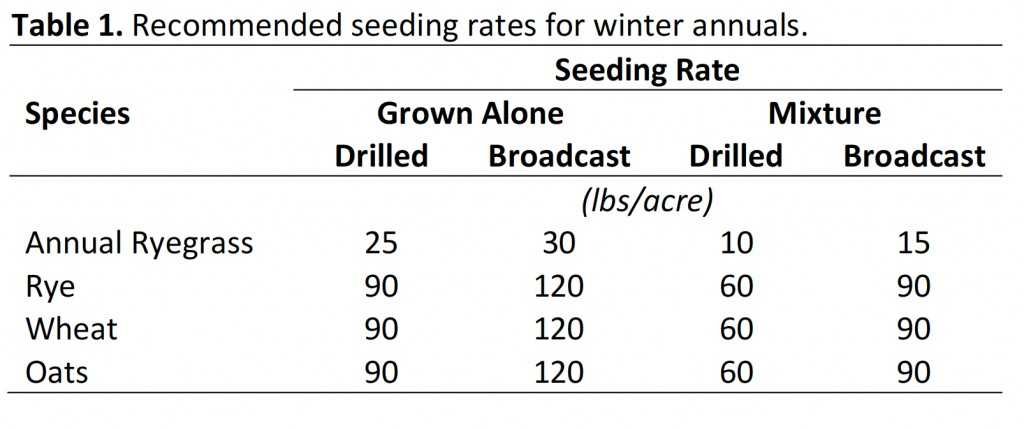
For a lush, green ryegrass field, aim to plant around 15 to 20 pounds of seed per acre. This range ensures good coverage and healthy growth, depending on your soil and planting method. Remember, proper seeding rates are crucial for a dense, resilient lawn or pasture.
To determine how much ryegrass seed you need per acre, consider your specific goals and conditions. Typically, planting 15-20 pounds of seed per acre provides a thick, even stand of ryegrass. Factors like soil quality, climate, and whether you’re overseeding or starting fresh can influence the exact amount. The right seeding rate helps you achieve a vibrant, healthy turf while avoiding waste. In this article, we’ll explore the optimal seed quantity for your needs and share tips to maximize germination and growth, ensuring your ryegrass project is a success from start to finish.
Starting with the right amount of seed is the key to establishing a beautiful ryegrass lawn or pasture. Whether you’re overseeding an existing area or planting anew, understanding the ideal seed quantity per acre can make all the difference. Too little seed may result in patchy, thin grass, while too much can lead to overcrowding and increased competition for resources. With this guide, you’ll learn exactly how much ryegrass seed to use for your specific situation, helping you create a lush, resilient green space that thrives throughout the seasons.

Understanding How Much Ryegrass Seed Per Acre Is Needed
Growing ryegrass requires careful planning, especially when it comes to seed quantity. Knowing the right amount of seed per acre ensures a healthy, dense, and lush turf or pasture. This section provides an in-depth look at the factors that influence how much ryegrass seed should be used for each acre.
Factors That Affect Ryegrass Seeding Rates
Several elements determine the amount of ryegrass seed to plant per acre. The type of ryegrass, soil condition, and planting method all play vital roles. Understanding these factors helps achieve optimal coverage and growth.
Type of Ryegrass
- Perennial Ryegrass is the most common choice for lawns, sports fields, and pastures. It germinates quickly and establishes dense coverage.
- Annual Ryegrass is used for quick cover and temporary grazing. It generally requires a different seeding rate compared to perennial ryegrass.
Soil Quality and Preparation
Healthy soil promotes better germination and growth. Poor soil might need more seed to compensate for uneven establishment.
Seeding Method and Equipment
Hand seeding typically requires more seed to ensure coverage, while using a broadcast or drill seeder can make the process more efficient. Calibration of equipment also influences seed distribution accuracy.
Standard Ryegrass Seeding Rates
Most recommendations provide a range to help plan your planting. A typical seeding rate for perennial ryegrass is between 15 to 25 pounds per acre.
Table of Seeding Rates Based on Ryegrass Type
| Ryegrass Type | Seeding Rate (pounds per acre) | Application |
|---|---|---|
| Perennial Ryegrass | 15 to 25 | Lawns, sports fields, pastures |
| Annual Ryegrass | 20 to 30 | Quick cover, temporary grazing |
| Creeping Ryegrass | 10 to 20 | Ground cover, erosion control |
How to Calculate the Exact Amount of Ryegrass Seed Needed
Calculating the seed for your acre involves a simple formula. Multiply the seeding rate by the total acres you plan to plant.
Calculation Formula
Total Seed Needed (pounds) = Seeding Rate (pounds per acre) x Number of Acres
For example, if you want to plant 1 acre with perennial ryegrass at 20 pounds per acre, you need 20 pounds of seed.
Adjusting Seed Amounts for Specific Conditions
Thinner vs. Thicker Cover
- For a light cover, use the lower end of the seeding rate range.
- If you want a dense, robust lawn or pasture, consider the higher end of the rate.
Soil Fertility and Moisture
Fertile soil and adequate moisture may reduce the need for excess seed. Conversely, poor soil conditions might require more seed for uniform coverage.
Seeding Strategies for Different Goals
Establishing a New Lawn
Aiming for a dense, uniform turf, use the higher seeding rate within the recommended range. This helps fill in gaps and prevents weed invasion.
Overseeding Existing Lawns
For overseeding, use a lower rate, typically about half of the initial seeding rate, to fill in thin spots without over-crowding.
Tips for Effective Ryegrass Seeding
- Seed Preparation: Clear debris and loosen soil for better seed contact.
- Proper Spreading: Use calibrated equipment to ensure even distribution.
- Watering: Keep the soil consistently moist until germination completes.
- Timing: Plant during optimal weather conditions, usually in early spring or fall.
Alternative Methods to Improve Germination and Coverage
Use of Cover Crops
Mixing ryegrass seed with cover crops like clover can improve soil quality and aid in establishing a healthy lawn.
Seed Coating and Pelleting
Enhanced seed coatings improve germination rates and make planting more uniform. Pelleted seeds are easier to handle and distribute evenly.
Monitoring and Adjusting Seeding Strategy
After planting, monitor germination and growth. If coverage is uneven, consider overseeding or adjusting your seed rate for future plantings.
Additional Tips for Successful Ryegrass Planting
- Seed Quality: Choose high-quality, disease-free seed for best results.
- Apply Fertilizer: Use appropriate fertilizers to support healthy growth.
- Control Weeds: Keep weeds at bay during establishment to reduce competition.
By carefully selecting the right seeding rate, considering environmental factors, and using proper planting techniques, you can achieve a thick, vibrant ryegrass cover that lasts. Remember, the key is to balance seed quantity with soil health and weather conditions for the best results.
How Much Rye Seed Should I Plant Per Acre? – The Marksman's Journal
Frequently Asked Questions
What is the typical amount of ryegrass seed needed for new pasture establishment per acre?
For establishing a new ryegrass pasture, you’ll generally need to sow between 15 to 25 pounds of seed per acre. The exact amount depends on the seed variety and desired pasture density. Using the recommended seeding rate ensures healthy germination and optimal growth, resulting in a lush and productive pasture.
How does soil type influence the quantity of ryegrass seed required per acre?
Soil type plays a significant role in determining how much ryegrass seed to plant. Sandy soils typically require a higher seeding rate, around 20 to 25 pounds per acre, to ensure good coverage. Conversely, clay soils may need less seed, approximately 15 to 20 pounds per acre, due to better natural moisture retention and seed-to-soil contact. Adjusting the seed rate based on soil type helps achieve better germination and establishment.
Is there a difference in seed amount for overseeding versus new planting?
Yes, overseeding generally requires less seed than a complete new planting. When overseeding, you typically use about 10 to 15 pounds of seed per acre because you’re supplementing existing grass. For new establishment, using 15 to 25 pounds per acre ensures adequate coverage across the entire area. Proper seed application according to your planting method improves germination and pasture density.
Final Thoughts
The amount of ryegrass seed per acre depends on your planting goals and seed quality. Typically, planting 15 to 20 pounds per acre provides good coverage for most lawns and pastures.
Adjust the seeding rate based on soil condition and desired density. Using the right amount ensures healthy growth without excess.
In summary, knowing how much ryegrass seed per acre to plant helps achieve optimal results with minimal waste. Proper seeding practices lead to lush, resilient turf when you select the appropriate seed quantity.