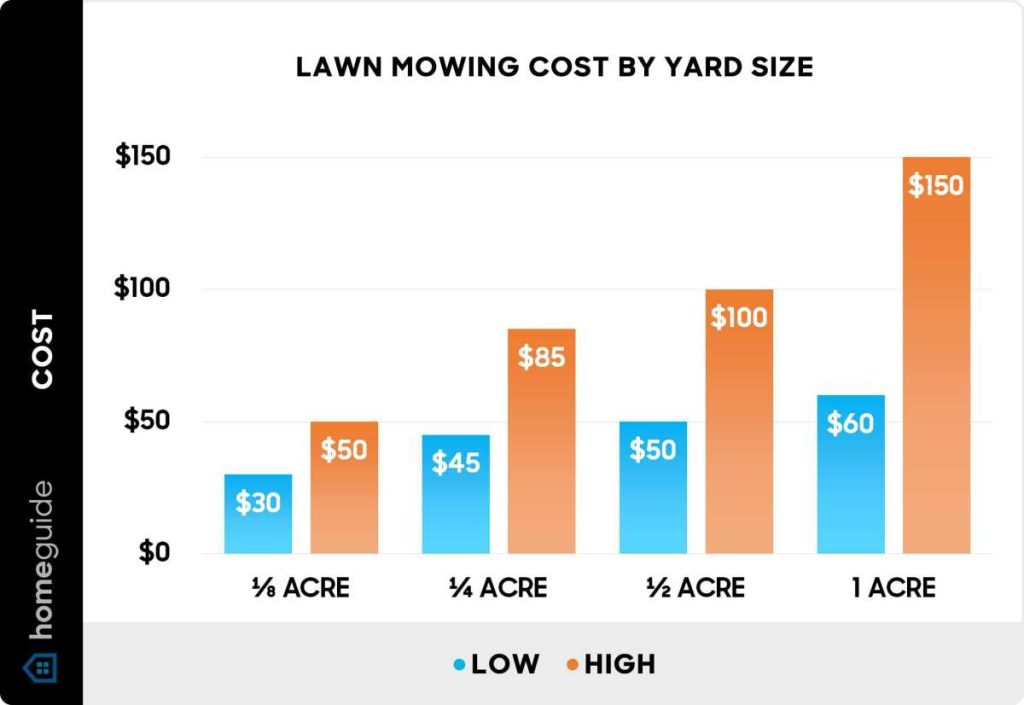
You can typically earn between $20 and $50 per lawn, depending on the size, complexity, and your location. If you’re just starting out, expect to make around $15 to $25 per job, but experienced lawn care professionals can charge more for larger or more difficult properties.
On average, mowing lawns pays anywhere from $20 to $50 per session, with some professionals earning even more based on their skill level and services offered. The pay varies widely depending on factors like lawn size, geographic location, and whether you’re working independently or for a company.
Getting paid to mow lawns can be a lucrative way to earn extra cash or even establish a full-time business. If you’re considering starting a lawn care side hustle or want to understand how much you might earn in this field, it’s important to know what influences your rates and how to maximize your earnings. In this article, we’ll explore typical pay rates, factors that affect your income, and tips to help you get the most for your services.

How Much Do You Get Paid to Mow Lawns?
Understanding Lawn Mowing Rates
Lawn mowing rates vary greatly depending on location, lawn size, and the complexity of the job. On average, you can expect to earn between $20 and $50 per lawn. Smaller lawns with simple mowing needs tend to pay less, while larger or more complex yards command higher fees.
Factors Influencing Your Lawn Mowing Income
Several factors impact how much you can make mowing lawns. These include the size of the lawn, the terrain, the type of equipment used, and whether other services like edging or trimming are included. Additionally, the location and local demand play a significant role in determining rates.
Average Pay Per Lawn for Beginners
Beginners often start with lower rates as they build their skills and reputation. Typically, new lawn care providers earn around $15 to $25 per lawn. As they gain experience and positive reviews, they can increase their prices.
Income Potential for Experienced Lawn Mowers
Experienced landscapers charging $40 to $80 per lawn can make a substantial income. They often provide additional services such as aeration, fertilizing, and landscaping, which can boost earnings significantly.
Hourly vs. Per-Lawn Payment Options
Some lawn care workers prefer earning hourly wages, usually between $10 and $20 per hour. Others prefer charging per lawn, which can be more profitable, especially for larger or more difficult properties. The choice depends on personal preference and workload.
Pricing Strategies for Lawn Mowing Services
Setting competitive prices is key to attracting clients while ensuring profitability. Many providers use a tiered pricing system based on lawn size: small yards might cost $20, medium yards $30 to $40, and large lawns $50 or more. Offering discounts for recurring weekly or bi-weekly jobs can also create steady income.
How to Calculate Lawn Mowing Rates
To determine fair rates, consider the lawn size in square feet or acres. Measure the yard or ask the client for measurements. Calculate your costs, including equipment, fuel, and labor, then add a profit margin. Research local competitors to set competitive yet profitable prices.
Specialized Services and Higher Fees
Adding services like hedge trimming, leaf removal, or garden cleanups allows you to charge higher prices. These services often require more skill or equipment but can greatly increase your total income. Many clients are willing to pay extra for comprehensive yard care.
Seasonal Trends and Income Fluctuations
Lawn mowing is generally seasonal, peaking during spring and summer months. During these months, you can maximize earnings by taking on more clients or increasing your rates. Off-season work can include snow removal or landscaping projects, providing additional income sources.
Local Market Comparison
Research what other lawn care businesses charge in your area. This helps you set competitive prices and avoid undervaluing or overpricing your services. Use local classifieds, online platforms, or ask other providers for insights.
Pricing Tips for Maximizing Earnings
- Offer package deals for regular clients to ensure steady work
- Charge premium rates for urgent or last-minute jobs
- Invest in quality equipment to serve more lawns efficiently
- Build a reputation for reliability and quality to attract higher-paying clients
Legal and Business Considerations
Ensure your pricing covers costs such as licensing, insurance, taxes, and equipment maintenance. Proper pricing helps sustain your business long-term. Additionally, clear agreements on rates and services prevent misunderstandings with clients.
Growing Your Lawn Mowing Business
To increase earnings, consider expanding services or hiring workers to take on more jobs. Building a loyal client base with excellent service can lead to higher rates and consistent income. Marketing through social media and local advertising also attracts new clients.
Summary of Typical Earnings
| Lawn Size | Average Rate | Potential Weekly Income | Potential Monthly Income |
|————|—————-|————————|————————-|
| Small (up to 1,000 sq ft) | $20 to $30 | $100 to $150 | $400 to $600 |
| Medium (1,000 to 3,000 sq ft) | $30 to $50 | $150 to $250 | $600 to $1,000 |
| Large (over 3,000 sq ft) | $50 to $80 | $250 to $400 | $1,000 to $1,600 |
This table illustrates how earnings can add up based on lawn size and pricing. Delivering quality service consistently can lead to higher income over time.
Tips for Setting Your Lawn Mowing Rates
– Always evaluate each job individually for custom pricing
– Consider your experience when setting rates
– Incorporate travel time and fuel costs
– Offer discounts for regular, recurring jobs
– Keep an eye on local competition to stay competitive
Getting paid for mowing lawns depends on many factors, but with proper pricing and good service, you can turn this job into a profitable venture. By understanding local market rates, expanding your services, and building a client base, you are well on your way to making a steady income in lawn care.
Can Solo Guys MAKE A LIVING Mowing Lawns???
Frequently Asked Questions
What factors influence the amount you can earn mowing lawns?
The amount you earn mowing lawns depends on several factors including the size and complexity of the property, the location, and your level of experience. Larger or more intricate lawns typically command higher rates, and working in busy neighborhoods or high-income areas can also increase your earnings. Additionally, your speed and efficiency play a role in how much you can make per job.
How does the type of equipment I use affect my pay rates?
Using professional and efficient equipment allows you to complete jobs faster and deliver high-quality results, which can justify higher prices. Investing in reliable mowers, trimmers, and safety gear can also enable you to take on more jobs simultaneously, increasing your earning potential. Conversely, subpar equipment may slow you down or lead to unsatisfactory outcomes, limiting what you can charge.
Are there seasonal variations in how much I can earn mowing lawns?
Yes, income from lawn mowing fluctuates with the seasons. During the peak growing months in spring and summer, demand is higher, allowing you to earn more. Conversely, in colder months or during periods of drought, demand drops, which can reduce your earnings. Planning ahead and diversifying your services can help maintain steady income throughout the year.
What is a typical hourly rate for lawn mowing services?
Hourly rates for lawn mowing vary based on location, the size of the property, and the complexity of the job. On average, you might charge between $25 and $50 per hour. Some providers prefer flat rates per job, especially for standard lawns, which can range from $30 to $80. Setting competitive yet fair prices will help attract clients while ensuring you earn adequately.
Can I increase my earnings by offering additional landscaping services?
Absolutely. Adding services such as edging, weed removal, lawn fertilization, or hedge trimming can boost your overall income. Customers often prefer to hire a single provider for multiple tasks, and offering a package deal can make your services more attractive. This approach not only increases revenue per client but also enhances your reputation as a comprehensive lawn care professional.
Final Thoughts
The amount you get paid to mow lawns varies based on location, lawn size, and your experience. On average, you can expect to earn between $20 and $50 per hour. Some lawn care professionals charge flat rates for specific yard sizes, making income predictable.
Rates can also depend on the complexity of the job and additional services like edging or trimming. Proper pricing ensures you earn fairly while staying competitive in your area.
how much do you get paid to mow lawns? It often depends on these factors, but generally, you can make a decent income doing yard work. Keep setting competitive rates, and you’ll find success in this field.