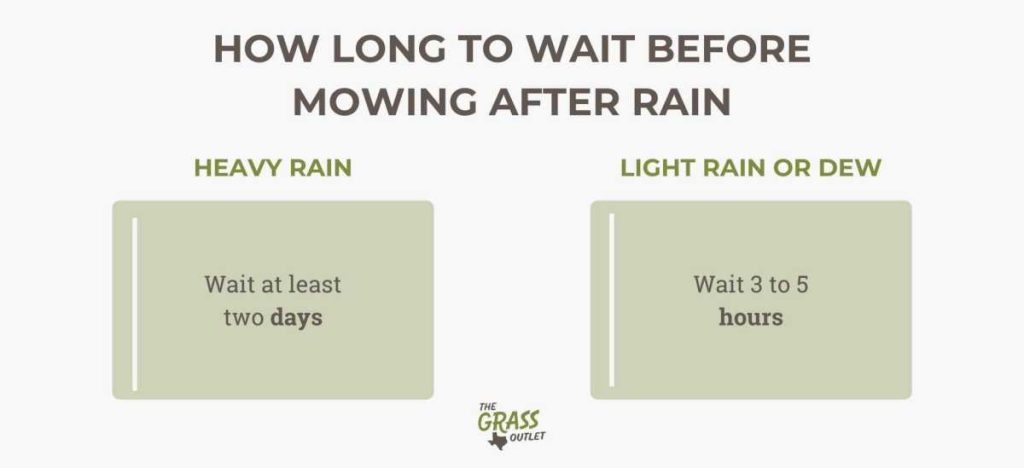
Waiting for the perfect moment to mow your lawn after rain can make all the difference in achieving a healthy, neat yard. As a general rule, you should wait until the grass has completely dried out, which usually takes about 24 to 48 hours after a heavy rain, depending on the weather conditions. Mowing wet grass can cause uneven cuts, damage your mower, and lead to fungal issues, so patience is key.
If you want your lawn to look its best and stay healthy, it’s crucial to time your mowing session just right after rain showers. In this article, we’ll explore how to determine when your lawn is dry enough, how to identify the best conditions for mowing, and tips to keep your grass in top shape without risking damage. Understanding these simple guidelines will help you maintain a lush, well-kept yard all year round.

How Long to Wait After Rain to Mow Lawn
Waiting the right amount of time before mowing your lawn after rain is crucial. Mowing too soon can damage the grass and soil, while waiting too long might lead to overgrown grass. Understanding the ideal waiting period helps keep your lawn healthy and looks great.
Why Timing Matters After Rain
Grass is soft and moist right after rain, which makes it more susceptible to damage. Mowing wet grass can cause clumping and uneven cuts. It also increases the risk of disease spreading across your lawn.
Healthy grass grows best when it’s cut at the right height and under the right conditions. Waiting for the lawn to dry ensures a cleaner cut and promotes stronger roots.
Factors That Influence How Long to Wait
Several elements affect when you should mow after rain. These include the amount of rainfall, type of grass, local climate, and soil condition. Knowing these factors helps you decide the perfect waiting period.
Amount of Rainfall
- Light showers may dry quickly, allowing mowing in a few hours.
- Heavy rain can saturate the soil, requiring a longer wait of 24 to 48 hours.
Type of Grass
- Cool-season grasses like Kentucky bluegrass tend to recover faster.
- Warm-season grasses such as Bermuda may take longer to dry out after heavy rain.
Climate and Temperature
- Warmer and sunnier areas help the lawn dry faster, sometimes in just a few hours.
- Cooler or humid regions may need 24 hours or more to dry thoroughly.
Soil Conditions
- Sandy soils drain quickly, enabling you to mow sooner.
- Clay soils retain moisture longer, requiring a longer waiting period.
Signs That Your Lawn Is Ready for Mowing
To check if your lawn is dry enough, look for these signs:
- The grass feels dry to the touch.
- Grass blades are no longer sticking together or feeling mushy.
- The soil surface appears crumbly and not muddy or wet.
- Water droplets are no longer visible on the grass blades.
If you see these signs, your lawn is generally ready for mowing. It’s better to wait longer than to mow when it’s still wet.
How to Safely Mow a Wet Lawn
Adjust Your Mower Settings
Set your mower to a higher cutting height. Cutting wet grass too short can stress the grass and make it prone to disease. Keeping the blades higher helps protect the grass and soil.
Use Sharp Blades
Sharp blades provide cleaner cuts, which is important when mowing wetter grass. Dull blades tear the grass, increasing vulnerability to disease and pests.
Take It Slow
Reduce your mowing speed to prevent clogging and uneven cuts. This also lessens the chance of ruts or soil compaction caused by the mower.
Frequent Mowing
Instead of removing a lot of grass at once, mow more frequently with shorter blades. This keeps your lawn healthy and manageable after rain.
Additional Tips for Lawn Care After Rain
- Reschedule mowing if the ground is muddy to prevent soil damage and compacting.
- Always clear grass clippings to prevent matting and disease spread.
- Inspect your lawn for signs of fungus or pests that may appear after wet conditions.
Applying a light layer of fertilizer or aerating the lawn can help maintain grass health during wetter seasons.
Long-Term Lawn Maintenance Tips
- Follow a regular mowing schedule suited for your grass type and climate.
- Keep your mower blades sharp and well-maintained for clean cuts.
- Water your lawn early in the morning to allow drying before evening, especially in humid regions.
- Practice aeration to improve drainage and airflow in the soil, reducing the likelihood of overly wet conditions.
Summing Up
The ideal time to mow after rain varies depending on multiple factors, but generally, waiting 24 to 48 hours after heavy rain is recommended. Always assess the lawn’s dryness and condition before mowing. Patience in waiting for the right moment helps ensure a healthier, greener, and more resilient lawn.
Should You Mow Your Lawn When It Is Wet? #mowing #lawncare
Frequently Asked Questions
How can I tell if my lawn is dry enough to mow after rain?
Check the lawn by gently pressing a small area with your hand or foot. If the grass feels damp or leaves a muddy imprint, it’s best to wait until it dries completely. Clear, dry grass ensures that the mower can cut effectively without causing damage to the turf or getting clogged.
What signs indicate that the soil has dried sufficiently for mowing?
Look for a firm, dry surface that doesn’t leave footprints when pressed. Additionally, observe how the grass feels; if it springs back easily and appears stiff, the moisture has likely evaporated enough for safe mowing. Avoid mowing when the soil remains soft or muddy, as this can compact the ground and harm your lawn.
Is it better to wait longer than the minimum drying time before mowing?
Yes, waiting a bit longer can help ensure the grass is fully dry, reducing the risk of tearing the blades or causing uneven cuts. Rushing the process might lead to a mower clog or damage to the grass, so aim for a period when the lawn is completely dry to maintain healthy turf and achieve a clean cut.
How does the duration of rain impact the timing of mowing?
Heavy or prolonged rainfall keeps the soil saturated longer, so you may need to wait several days before mowing. Light showers, which dry quickly, might only require waiting one or two days. Always assess the grass and soil conditions rather than relying solely on a fixed timeframe.
Can mowing immediately after a light rain harm my grass?
Mowing right after light rain can damage the grass by tearing the blades or causing it to become uneven. It can also lead to mower clogging. Wait until the grass and soil are dry to ensure a clean cut and prevent any turf damage, which helps your lawn recover more quickly after wet conditions.
Final Thoughts
Waiting at least 24 to 48 hours after rain allows your lawn to dry sufficiently and prevents damaging the grass. Check the moisture level by gently picking up a small section and feeling its dampness. Mowing when the grass is wet can lead to uneven cuts and soil compaction.
To keep your lawn healthy, plan to mow once the grass feels dry and firm underfoot. Remember, how long to wait after rain to mow lawn varies with weather and soil conditions, but patience ensures a clean cut and healthy grass.