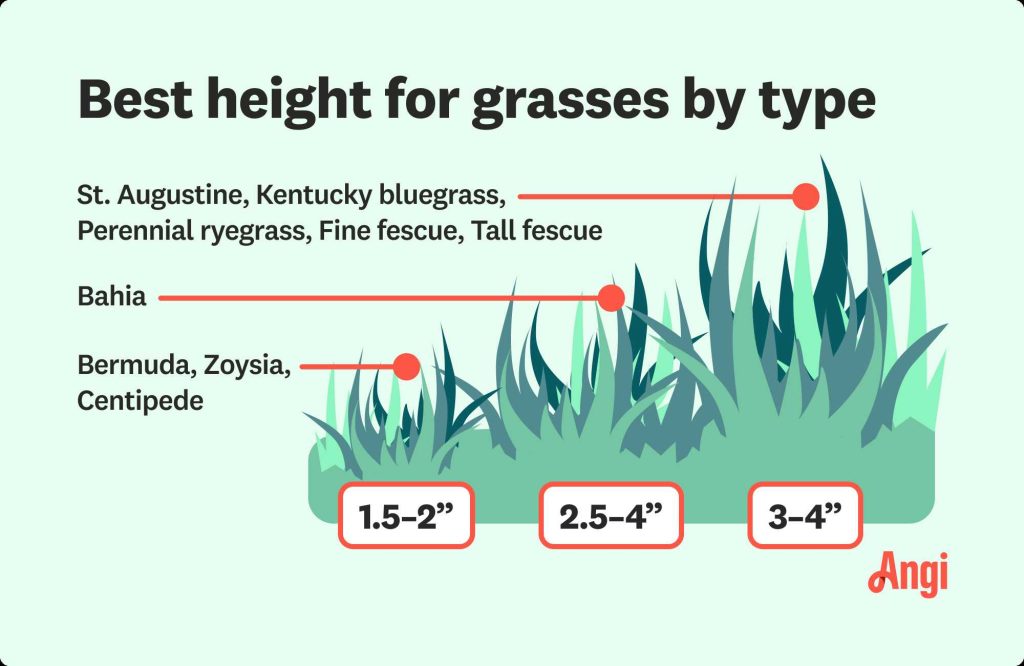
For a lush, healthy Kentucky bluegrass lawn, aim to keep the grass between 2 and 3 inches tall. Cutting too short can stress the grass, while leaving it too tall may invite pests and disease. Regular mowing at the right height promotes strong roots and a vibrant appearance.
In short, you should mow Kentucky bluegrass to about 2 to 3 inches. This height balances health and aesthetics, ensuring your lawn stays thick, green, and resilient throughout the season.
A well-maintained Kentucky bluegrass lawn not only looks beautiful but also thrives with proper mowing. The key is finding that sweet spot—cutting your grass to around 2 to 3 inches encourages deep roots and helps it resist drought, weeds, and diseases. Mowing too short, especially below 2 inches, can weaken the grass, making it more vulnerable to stress and pests. Conversely, letting your grass grow taller than 3 inches may cause thatch buildup and shade the lower blades, leading to poor air circulation. So, stick to the 2 to 3-inch range for an optimal balance of health and visual appeal. Regular mowing, combined with proper watering and fertilizing, will help your Kentucky bluegrass stay lush and vigorous through every season.

How Long Should You Cut Kentucky Bluegrass?
Understanding Kentucky Bluegrass Growth Patterns
Kentucky bluegrass is a popular cool-season grass known for its lush green color and dense growth. It grows best during cooler months and slows down in hot weather. Knowing its growth pattern helps determine the ideal cutting height and frequency.
This grass spreads through rhizomes, which are underground stems that allow it to recover quickly after being cut. Its growth rate depends on temperature, sunlight, and water availability. Healthy Kentucky bluegrass typically grows about 1.5 to 2 inches per week during peak season.
For optimal health, it’s important to match your mowing schedule with its natural growth rhythm. Mowing too often or too short can stress the grass, making it more vulnerable to pests and diseases. Conversely, cutting too high or infrequently can lead to thatch buildup and a less attractive lawn.
Ideal Cutting Height for Kentucky Bluegrass
The optimal height for Kentucky bluegrass is generally between 2 and 3 inches. This height helps maintain a healthy, vigorous turf that resists weeds and withstands drought conditions.
Keeping the grass at this height allows for a better root-to-shoot ratio, meaning the roots grow deeper and stronger. It also provides shade for the soil, reducing evaporation and keeping the ground cooler.
If you cut your Kentucky bluegrass too short, typically below 2 inches, you risk scalp wounds and weakened roots. This makes the lawn more susceptible to drought stress and weed invasion. Cutting too tall, above 3 inches, can create a shady environment ideal for moss and fungi.
How Often Should You Mow Kentucky Bluegrass?
The frequency of mowing depends on the grass’s growth rate, which varies with season, weather, and turf health. During peak growing seasons in spring and fall, you may need to mow once a week or even more often.
In hot, dry summer months, growth slows down, and mowing every two weeks might suffice. To avoid cutting off more than one-third of the grass height at a time, adjust your mowing schedule accordingly.
Regular mowing encourages thick, healthy growth. If you notice the grass getting taller than 3 inches, it’s time to mow. Conversely, if it’s below 2 inches, wait until it grows slightly more before mowing again.
How to Properly Cut Kentucky Bluegrass
Proper mowing technique involves more than just setting the right height. Always use sharp mower blades to make clean cuts that reduce stress and prevent tearing.
Make sure to mow when the grass is dry to avoid clumping and uneven cuts. Cutting wet grass can also spread disease and damage the turf.
Adjust your mower height based on the season. During early spring and late fall, slightly higher cuts promote root and crown development. In summer, slightly lower cuts can help prevent fungal diseases.
Adjustments for Different Seasons
Kentucky bluegrass needs different mowing heights during various seasons. In spring and fall, keep the grass at 2.5 to 3 inches for healthy regrowth.
During hot summer months, raising the mower height to 3 inches helps protect roots from heat stress. In winter, if your grass remains green, avoid cutting it too short to prevent cold damage.
Seasonal adjustments also prevent stress on the grass and promote recovery after dormancy periods. Proper mowing height during each season maintains a vibrant and resilient lawn.
The Impact of Mowing on Lawn Health
Regular and proper mowing positively affects soil health, water retention, and weed control. Shorter grass exposes the soil, increasing evaporation and drying out your lawn.
On the other hand, high mowing preserves moisture, insulates the roots, and discourages weed growth by shading the soil. It also reduces the chances of disease by allowing air circulation.
Remember that consistent mowing at the right height helps develop a dense turf that crowds out weeds and protects against pests. Proper mowing is a simple yet crucial step to achieve a lush, healthy Kentucky bluegrass lawn.
Common Mistakes to Avoid When Cutting Kentucky Bluegrass
One of the most common errors is cutting more than one-third of the grass height at once. This can weaken the grass and hinder its growth.
Another mistake is mowing too short in hot weather, which increases the risk of drought stress and pests. Also, neglecting sharp blades leads to ragged cuts, stressing the turf.
Failing to adjust the mower height for seasonal changes can damage the grass, especially during extreme temperatures. Always remember to clean the mower blades regularly for a clean cut and healthy turf.
Tools and Tips for Effective Mowing
Using the right mower is essential for maintaining Kentucky bluegrass health. A rotary or reel mower with adjustable height settings works well.
Set the mower height between 2 and 3 inches for routine mowing. Sharpen blades at least once a season or more often if needed.
In addition to equipment, a few tips include mowing when the grass is dry and during the early morning or late afternoon. Regular mowing helps sustain a beautiful and healthy bluegrass lawn.
Related Topics to Consider
Maintaining your Kentucky bluegrass also involves other lawn care practices. Proper watering, fertilization, and aeration complement your mowing routine.
Water deeply and infrequently to encourage deep root growth. Fertilize in early spring and fall with a balanced fertilizer to promote growth.
Aerating the soil annually helps reduce compaction and improves nutrient and water absorption. These practices, combined with proper mowing, create a thriving Kentucky bluegrass lawn.
Summary of Mowing Guidelines
| Season | Recommended Cutting Height | Frequency |
|---|---|---|
| Spring | 2.5 to 3 inches | Weekly or as needed |
| Summer | 3 inches | Every two weeks or when needed |
| Fall | 2.5 to 3 inches | Weekly or bi-weekly |
| Winter | Minimal or no mowing, if grass remains green |
This table summarizes the key mowing heights and frequencies for each season to keep your Kentucky bluegrass healthy.
Proper mowing is essential for a vibrant, resilient lawn. Keeping the grass at the right height and adjusting your routine with the seasons will ensure your Kentucky bluegrass stays lush and strong all year round.
Kentucky Bluegrass Pros and Cons
Frequently Asked Questions
How does the season affect the appropriate mowing height for Kentucky bluegrass?
During the growing season, you should maintain Kentucky bluegrass at about 2 to 3 inches to promote healthy growth. In the colder months, consider raising the cutting height slightly to protect the grass from harsh weather and reduce stress. Adjusting the mowing height seasonally helps the grass stay resilient and encourages a lush, dense lawn year-round.
What are the signs that your Kentucky bluegrass needs to be cut more frequently?
If you notice the grass growing rapidly or starting to exceed the recommended height, it’s time to mow. Regular mowing prevents the grass from becoming too tall, which can lead to reduced turf density and increased vulnerability to pests and diseases. Keeping the grass at an optimal height also ensures strong root development and a healthy lawn.
How long can you delay mowing before it negatively impacts Kentucky bluegrass?
Allowing the grass to grow beyond 4 inches can weaken the turf and make it harder for the roots to access sunlight and nutrients. Delays in mowing should be minimal, ideally no longer than a week during active growth periods. Returning the grass to its proper height promptly encourages dense, healthy growth and maintains an attractive appearance.
What is the recommended mowing frequency based on grass growth rate?
Adjust your mowing schedule according to how quickly your Kentucky bluegrass grows. Typically, mowing once every 5 to 7 days keeps the grass healthy and prevents excessive height. During periods of rapid growth, such as spring and fall, you may need to mow more frequently. Consistent mowing at the right height maintains the overall health of your lawn.
Final Thoughts
The ideal cutting height for Kentucky bluegrass is typically 2 to 3 inches. Maintaining this height encourages healthy growth and prevents disease.
During summer, keep the grass slightly taller to protect its roots from heat stress. Cutting too short weakens the turf and makes it vulnerable.
In conclusion, how long should you cut Kentucky bluegrass? Aim for 2 to 3 inches and avoid cutting too low to ensure a lush, healthy lawn.