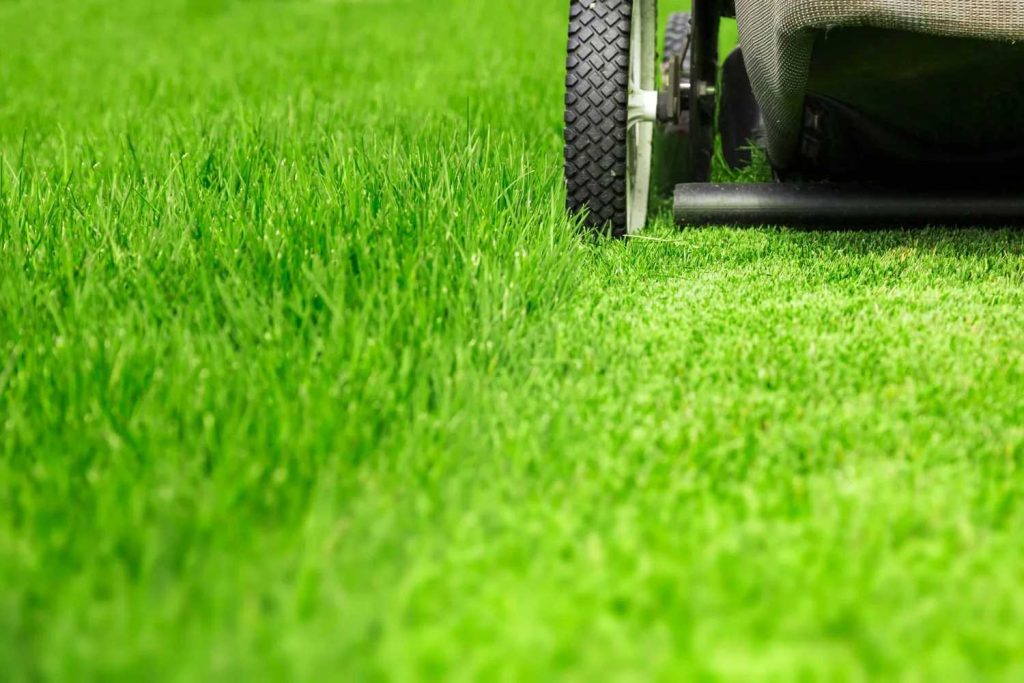
You should wait about 24 to 48 hours after fertilizing your lawn before mowing. This allows the nutrients to penetrate the soil and prevents damage to the grass. Mowing too soon can also lead to fertilizer runoff, reducing its effectiveness.
Waiting at least a day or two gives your lawn the best chance to absorb the nutrients and stay healthy. In this article, you’ll discover the ideal timing for mowing after fertilizing, along with tips to maximize lawn health and ensure your grass stays lush and vibrant. Whether you’re a seasoned gardener or a weekend warrior, understanding the right interval can make your fertilization efforts more successful and keep your lawn looking its best all season long.

How Long Should I Wait to Mow Lawn After Fertilizing
Understanding the Fertilizer Application Process
Fertilizing your lawn provides essential nutrients that promote healthy grass growth. When you apply fertilizer, it takes time for the nutrients to be absorbed by the soil and roots. This period is important because mowing too soon can disturb the fertilizer and reduce its effectiveness. Typically, it’s recommended to wait at least 24 to 48 hours before mowing after fertilizing.
Why Timing Between Fertilizing and Mowing Matters
Waiting the right amount of time ensures that the fertilizer has a chance to penetrate the soil and be taken up by the grass roots. Mowing too early can cause the fertilizer to be pulled away from the soil surface, leading to uneven growth. It also minimizes the risk of damaging the grass or the fertilizer chemical reaction, which could harm your lawn.
Factors Influencing How Long to Wait Before Mowing
Several factors influence the optimal waiting time between fertilizing and mowing. These include the type of fertilizer used, the weather conditions, and the type of grass in your lawn. Understanding these aspects helps you determine the best practices for your specific lawn.
Type of Fertilizer Used
Different fertilizers have different release mechanisms. Quick-release fertilizers provide nutrients rapidly and may require a shorter wait before mowing, around 24 hours. Slow-release fertilizers take longer to break down and might need a waiting period of 48 hours or more. Always follow the instructions on the fertilizer packaging for best results.
Weather Conditions
Weather plays a significant role in fertilizer absorption and lawn health. After fertilizing, avoid mowing during or immediately after rain because wet grass can be more vulnerable to damage. If the weather is dry, wait until the grass is slightly dry and the fertilizer has had time to work—usually 24 to 48 hours is sufficient.
Type of Grass on Your Lawn
Different grass types have different growth rates and sensitivities. For example, cool-season grasses may recover faster from mowing, while warm-season grasses may need a longer interval after fertilization. Knowing your grass type helps determine the ideal waiting period.
Best Practices for Mowing After Fertilizing
Proper mowing techniques after fertilizing promote healthy growth and prevent damage. Always ensure the grass is dry before mowing to avoid clumping or uneven cuts. Use a sharp mower blade to make clean cuts, which reduce stress on the grass.
How to Check if Your Lawn Is Ready to Mow
Look for signs that your lawn has recovered from fertilization. The grass should look green and healthy, and there should be no visible signs of fertilizer residue. Also, ensure that the lawn has dried completely if it was recently watered or rained.
Tips for Mowing After Fertilizing
- Wait at least 24 hours for quick-release fertilizers and 48 hours for slow-release fertilizers.
- Make sure the lawn is dry to prevent clumping.
- Use a mower with sharp blades for clean cuts.
- Adjust the mower height, cutting slightly higher than usual to reduce stress on the grass.
- Avoid removing more than one-third of the grass height during a single mow.
Potential Risks of Mowing Too Soon
Mowing immediately after fertilizing can cause several problems. It can disturb the fertilizer, preventing nutrients from settling into the soil. This can lead to uneven growth or the need for additional fertilization sooner than expected. It may also stress the grass, leading to a thin or patchy lawn over time.
Signs That Your Lawn Needs Mowing
Knowing the right time to mow also involves recognizing when your grass has grown enough. Usually, if the grass is 3 inches tall, it’s time to mow. However, after fertilizing, wait until the grass reaches this height and appears healthy before mowing carefully.
Summary of Timing for Mowing Post-Fertilizing
| Fertilizer Type | Waiting Period | Additional Tips |
|—————–|——————|—————–|
| Quick-release | 24 hours | Ensure grass is dry |
| Slow-release | 48 hours or more| Check fertilizer instructions |
| Rainy weather | Wait until dry | Avoid mowing wet grass |
| Hot, dry weather | 24-48 hours | Water lawn lightly before fertilizing |
Waiting the appropriate time after fertilizing is key to maintaining a lush, healthy lawn. Generally, it’s best to wait 24 to 48 hours before mowing, depending on the fertilizer type and weather conditions. This practice ensures nutrients are absorbed well and your grass stays strong and vibrant. Remember to check your lawn’s condition and avoid mowing during wet weather or when the grass is still damp from watering or rain. Following these guidelines helps your lawn stay healthy and beautiful all season long.
How long after you fertilize can you mow the lawn?
Frequently Asked Questions
How can I tell if my lawn is ready for mowing after fertilizing?
Wait until the fertilizer has been absorbed by the soil and the grass blades feel firm and healthy. Typically, you can check for signs like the grass growing visibly taller and a darker green color, indicating the nutrients are working well. Avoid mowing if the soil feels muddy or wet, as this can damage your lawn and prevent proper absorption of nutrients.
What are the risks of mowing too soon after fertilizing?
Mowing immediately after fertilizing can cause the grass to become stressed or damaged. It might also lead to fertilizer particles being pulled out of the soil, reducing their effectiveness. Mowing too early can disturb the growth process and prevent the fertilizers from nourishing the lawn properly.
Is there a specific time frame I should wait before mowing after fertilizing?
Generally, wait about 24 to 48 hours after applying fertilizer before mowing. This allows enough time for the nutrients to settle into the soil and for the grass to recover from the fertilization process. However, the exact wait time can vary based on the type of fertilizer used and weather conditions.
How does weather influence the waiting period before mowing after fertilization?
If you experience rain shortly after fertilizing, wait at least a few days before mowing. Heavy rain can wash away nutrients and make the grass wet and susceptible to damage. Conversely, if the weather is dry and warm, the grass may recover faster, allowing you to mow sooner within the recommended timeframe.
Should I water my lawn after fertilizing before mowing?
Yes, lightly watering your lawn after fertilizing helps the nutrients penetrate deeper into the soil. Wait about 24 hours after watering before mowing to ensure the fertilizer has been absorbed and the grass has dried enough to prevent clumping or uneven cuts. Always avoid overwatering, which can lead to runoff or disease.
Final Thoughts
The ideal time to mow your lawn after fertilizing depends on the type of fertilizer used. Generally, wait at least 24 to 48 hours for water-soluble fertilizers, and up to a week for slow-release types.
Mowing too soon can damage the grass and reduce nutrient absorption. Always ensure the fertilizer has been absorbed and the grass is dry before mowing.
In conclusion, how long should I wait to mow lawn after fertilizing? It’s best to wait 24 to 48 hours for water-soluble fertilizers and longer for slow-release formulas. This approach helps your lawn thrive effectively.