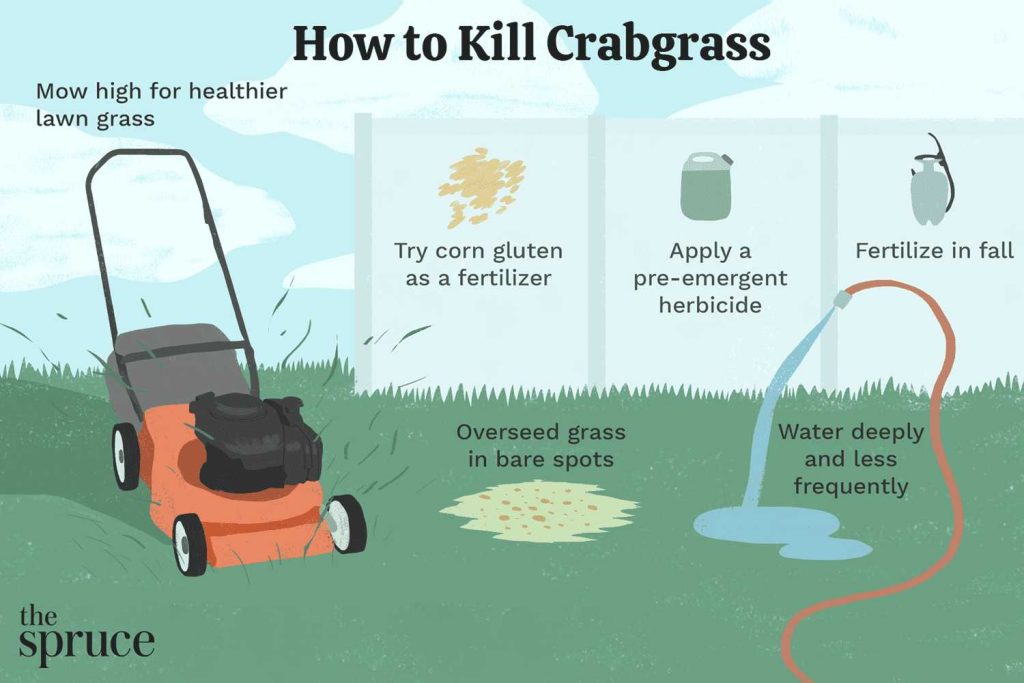
If you’re battling crabgrass in your lawn, you might be wondering how long it will take for that crabgrass killer to do its job. Typically, you can expect to see noticeable results within 7 to 14 days after application, depending on the specific product you use and the environmental conditions. It’s important to remember that while some weeds may start to die off quickly, others might take a little longer. Factors such as the type of crabgrass, temperature, and moisture levels play a significant role in how effectively and quickly the product works. So, if you’re ready to reclaim your lawn, let’s dive into a detailed look at how these crabgrass killers work and what you can expect from them.

How Long Does It Take for Crabgrass Killer to Work?
Crabgrass can be a formidable foe for any lawn enthusiast. Understanding how long it takes for crabgrass killer to work is crucial for successful lawn care. The answer to this question depends on various factors, including the type of crabgrass killer used, current weather conditions, and application methods. Let’s dive deeper into this topic to provide you with all the necessary information.
Types of Crabgrass Killers
There are primarily two types of crabgrass killers: pre-emergent and post-emergent herbicides. Knowing the differences between them can help you choose the right product and understand how long it may take for each to work.
- Pre-emergent Herbicides: These products prevent crabgrass seeds from germinating. They need to be applied before crabgrass seeds sprout, usually in early spring.
- Post-emergent Herbicides: These are applied after crabgrass has already emerged. They aim to kill existing crabgrass plants.
Both types have different timelines for effectiveness.
How Long for Pre-emergent Herbicides to Work?
Pre-emergent herbicides generally take several weeks to work effectively. After application, you can expect the following timeline:
- Initial Effect: You may notice a delay in crabgrass growth within 3 to 4 weeks.
- Full Effect: Complete prevention of crabgrass seeding can take up to 8 weeks.
The timing greatly depends on the weather. Warm, moist conditions can improve effectiveness, while cold, dry weather can slow it down.
How Long for Post-emergent Herbicides to Work?
Post-emergent herbicides can show results more quickly than pre-emergent ones. Generally, you should look for the following timeline:
- Initial Wilting: You may see the crabgrass begin to wilt within 24 to 48 hours after application.
- Complete Kill: It usually takes 7 to 10 days for the crabgrass to completely die off.
However, results can vary based on the specific product and the size of the crabgrass plants.
Factors Affecting Efficiency
Several factors can affect how quickly crabgrass killer works. Understanding these can help ensure you achieve the best results.
- Weather Conditions: Rain and humidity can enhance the effectiveness of herbicides. However, extreme temperatures can hinder their performance.
- Soil Type: Different soil compositions can affect how well the herbicide penetrates and works.
- Application Method: Correct application is crucial. Over-application can lead to runoff, while under-application may not kill the crabgrass effectively.
- Crabgrass Growth Stage: Mature crabgrass is generally harder to kill than younger plants.
Getting familiar with these factors can ensure you choose the best time and method for application.
Application Tips for Optimal Results
To maximize the effectiveness of your crabgrass killer, consider these tips:
- Read Instructions: Always follow the label instructions on the herbicide for dosage and application.
- Timing is Key: Apply pre-emergents in early spring and post-emergents when temperatures are moderate.
- Watering Wisely: If using a post-emergent, avoid watering your lawn for at least 24 hours after application to allow the product to absorb.
- Regular Maintenance: Keep your lawn healthy with regular mowing and watering to create a less favorable environment for crabgrass.
Taking these steps can greatly improve the efficiency of using crabgrass killers.
Signs of Effectiveness
Recognizing the signs that your crabgrass killer is working is important for knowing when to take further action:
- Discoloration: A change in color, such as yellowing, is often the first sign.
- Wilting: A drooping or wilting appearance means the herbicide is taking effect.
- Death of Crabgrass: Ultimately, you’ll see the crabgrass turn brown and die off, which may take a week or more.
Being aware of these signs can help you understand the effectiveness of your method.
Alternative Methods of Crabgrass Control
In addition to chemical treatments, there are alternative methods you might consider:
- Manual Removal: Hand-pulling crabgrass can be effective, especially when the soil is moist.
- Mulching: Applying mulch can help prevent crabgrass seeds from germinating.
- Natural Herbicides: Some natural products, like vinegar or corn gluten meal, may deter crabgrass growth.
Incorporating these methods into your routine can support your crabgrass control efforts.
Common Misconceptions
It’s important to address some common misconceptions about crabgrass killers:
- Instant Results: Many people expect immediate results, especially with post-emergent herbicides; however, they often take a week or more to work fully.
- Overkill: Using more product than recommended won’t speed up the process and can harm your lawn.
- All Herbicides are the Same: Different products have varying active ingredients and effectiveness; it’s important to choose one suited for your specific crabgrass problem.
Understanding these misconceptions can aid in proper crabgrass control strategies.
Knowing how long it takes for crabgrass killer to work can help you effectively manage your lawn. By selecting the right type of herbicide and understanding the influencing factors, you can see results in a reasonable timeframe. With proper application and maintenance, you can keep your lawn healthy and crabgrass-free. Always remember to check the specific products for detailed information, as the timelines can vary. Happy gardening!
Scotts Halts Crabgrass Preventer – How Long Does It REALLY Work?
Frequently Asked Questions
“`html
What factors influence the effectiveness of crabgrass killer?
The effectiveness of crabgrass killer depends on several factors. Weather conditions play a significant role; for instance, a product may work faster in warm, sunny weather compared to cooler days. Soil moisture is also crucial; applying the killer when the soil is too dry can slow down its effectiveness. Additionally, the type of crabgrass and the specific formulation of the product can impact how quickly you see results.
Can I apply crabgrass killer at any time of the year?
No, timing is essential when applying crabgrass killer. You should apply it during the early stages of crabgrass growth, usually in the spring, when the plants are still young. Using the product too late in the season may not yield the desired results, as mature plants may require a different control method.
How can I tell if the crabgrass killer is working?
You can identify if the crabgrass killer is effective by observing the weeds over the following weeks. Signs of distress in crabgrass include yellowing leaves, wilting, and slowed growth. In most cases, you should start to see visible results within a week or two after application.
Is it safe to reseed the lawn after applying crabgrass killer?
It’s essential to wait before reseeding your lawn after applying crabgrass killer. Many products recommend waiting at least 4 to 6 weeks before introducing new grass seeds. This waiting period allows the chemicals to break down and minimizes the risk of harming new seedlings.
What should I do if crabgrass persists after treatment?
If you notice that crabgrass persists even after applying the killer, it may be due to improper application or the presence of a more resistant strain. In this case, you might consider using a different type of herbicide, targeting the specific stage of growth, or exploring cultural practices like improving lawn health to compete against crabgrass.
“`
Final Thoughts
Crabgrass killer typically shows results within 7 to 14 days after application. Factors such as weather and type of product can affect this timeline.
For best results, apply the herbicide during active growth periods for crabgrass. Regularly monitor your lawn to determine its effectiveness and reapply if necessary.
In summary, knowing how long does it take for crabgrass killer to work helps you plan your lawn care effectively. Patience and proper timing can lead to a lush, crabgrass-free yard.