
Establishing Bermuda sod requires patience, but understanding the process can speed things up. Generally, Bermuda sod takes 2 to 4 weeks to root, with full establishment occurring over several months. Key factors like watering, soil contact, and temperature play a crucial role in how long it takes Bermuda sod to root.
How Long Does It Take Bermuda Sod To Root
Imagine stepping out onto a perfectly green, lush lawn. For many homeowners in warmer climates, Bermuda grass is the dream turf. Its ability to withstand heat and traffic makes it a popular choice. When you decide to install sod, you’re looking for that instant gratification, that quick transformation from bare earth to a beautiful yard. But even with sod, there’s a waiting game involved. Specifically, you’re probably wondering, “How long does it take Bermuda sod to root?” It’s a common and important question for anyone looking to establish a new lawn quickly and effectively.
While laying down sod provides an immediate visual improvement, the real work for the grass begins underneath. The sod needs to establish its own root system, anchoring itself into your existing soil. This process takes time, and understanding it will help you provide the best care. This article will guide you through the process, explain the timeline, and offer essential tips to help your Bermuda sod root as quickly and successfully as possible. We’ll delve into what influences the rooting speed and what you can do to encourage it.
Key Takeaways
- Initial Rooting Period: Bermuda sod typically begins to root within 2 to 4 weeks after installation.
- Full Establishment: While initial rooting is relatively quick, complete establishment and a resilient lawn can take 6 to 12 months.
- Watering is Crucial: Consistent and adequate watering is the single most important factor for successful rooting.
- Soil Contact Matters: Ensuring good contact between the sod and the underlying soil is vital for root penetration.
- Temperature Influence: Bermuda grass thrives in warm temperatures, which significantly accelerates the rooting process.
- Mowing Timing: Avoid mowing too early; wait until the sod is firmly rooted to prevent pulling it up.
- Environmental Factors: Sunlight, soil type, and fertilization also impact how long it takes Bermuda sod to root.
Quick Answers to Common Questions
When should I water my newly laid Bermuda sod?
You should water your newly laid Bermuda sod immediately after installation and then keep it consistently moist for the first 2-3 weeks, watering daily or every other day depending on weather conditions.
How can I tell if my Bermuda sod is rooting?
You can tell if your Bermuda sod is rooting if a corner of the sod resists being lifted. You should also start seeing new green growth appear on the grass blades.
Is it okay to walk on new Bermuda sod?
It’s best to avoid walking on new Bermuda sod as much as possible for the first few weeks to prevent disturbing the rooting process. Once it’s firmly rooted, light traffic is generally acceptable.
What is the ideal temperature for Bermuda sod to root?
Bermuda grass thrives in warm temperatures. The ideal range for root establishment is between 80°F and 95°F (27°C to 35°C).
How often should I mow new Bermuda sod?
You should wait to mow new Bermuda sod until it is firmly rooted and shows new growth. When you do mow for the first time, use the highest mower setting and avoid removing more than one-third of the grass blade length.
📑 Table of Contents
Understanding the Sodding Process
Before we dive into the specifics of Bermuda sod rooting, let’s briefly touch upon what sod actually is. Sod is essentially a pre-grown section of grass, complete with its roots and a layer of soil. When you purchase sod, you’re getting mature grass that’s been cut from a nursery field. The goal of laying sod is to bridge the gap between having no lawn and having a fully established one. It’s a significantly faster method than growing grass from seed, where you’d have to wait for germination, seedling growth, and then establishment. If you’re considering growing Bermuda grass from scratch, it’s good to know how long it takes to grow Bermuda grass from seed, which is a much longer process than sodding.
When you lay sod, it’s like giving your lawn a head start. The grass is already mature, and the primary task is to encourage its existing roots to meld with your soil’s substrate. This is where the “rooting” process comes into play. It’s not just about the grass blades looking good; it’s about the health and longevity of your new lawn.
The Difference Between Initial Rooting and Full Establishment
It’s important to distinguish between the initial rooting of Bermuda sod and its full establishment. Initial rooting is when the grass’s existing root system begins to grow downwards into your soil, anchoring the sod firmly. This is the critical phase that determines if your sod will survive and thrive. Full establishment, on the other hand, refers to when the grass has developed a robust root system that can withstand stress, and the sod pieces have knitted together to form a seamless lawn.
Think of it like this: initial rooting is when a plant puts down anchor roots in a new pot. Full establishment is when that plant has grown into its new environment and is producing new growth, showing its true potential. For Bermuda sod, initial rooting is a relatively short but vital period, while full establishment is a much longer journey that can take many months.
How Long Does It Take Bermuda Sod to Root? The Timeline
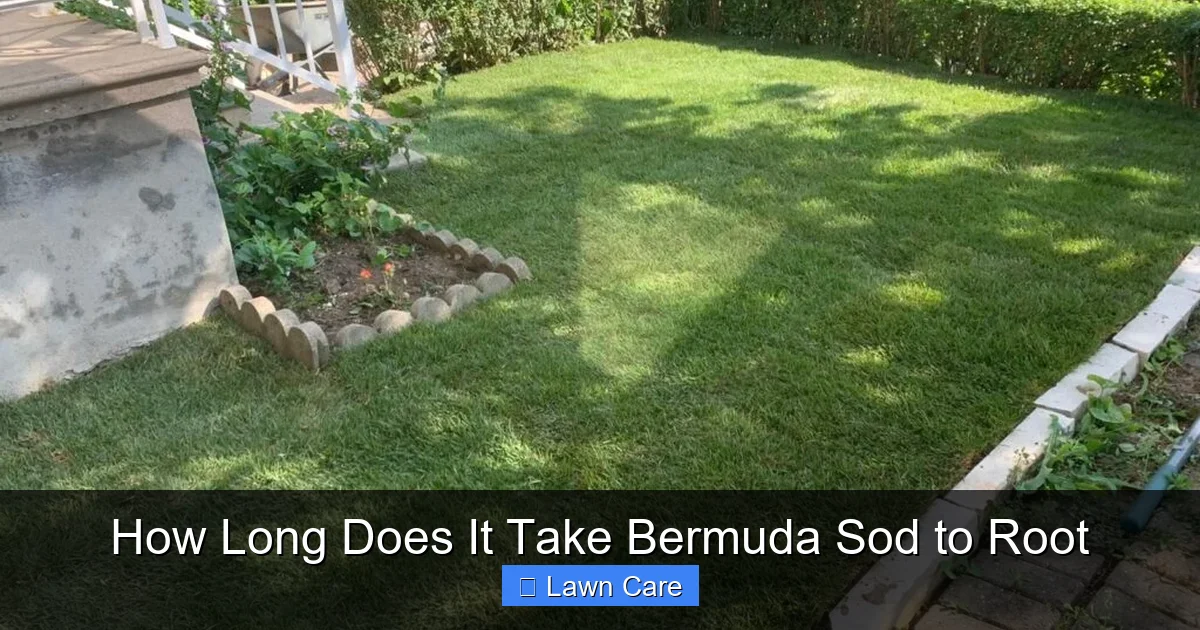
Visual guide about How Long Does It Take Bermuda Sod to Root
Image source: soddinggta.ca
So, let’s get to the core question: how long does it take Bermuda sod to root? The general consensus is that you can expect to see initial rooting in about **2 to 4 weeks** after installation. During this period, if you gently try to lift a corner of the sod, you should feel some resistance, indicating that new roots are starting to form and connect with your soil.
However, this is just the beginning. For the lawn to be considered fully established and resilient, capable of handling regular foot traffic, mowing, and potential drought conditions, it typically takes **6 to 12 months**. This longer period is when the grass has grown strong, spread its rhizomes and stolons, and its root system is deep and well-developed. Don’t be fooled by the immediate green carpet; proper care during these initial months is paramount.
Factors Affecting Rooting Speed
Several factors can influence how quickly your Bermuda sod roots. Understanding these can help you optimize conditions for faster establishment.
Watering Practices
This is, without a doubt, the most critical factor. Consistent moisture is essential for root growth. Bermuda grass, especially when newly laid as sod, needs a consistent supply of water to keep the soil moist and encourage roots to seek out moisture in the underlying soil.
* Initial Watering: Immediately after installation, water the sod thoroughly. You want the water to penetrate both the sod layer and the soil beneath it.
* Frequent Watering: For the first 2-3 weeks, water daily or every other day, depending on the weather. The goal is to keep the soil consistently damp but not waterlogged. Overwatering can lead to fungal diseases and prevent roots from seeking moisture deeper down.
* Gradual Reduction: As the sod begins to root (around the 2-week mark), you can gradually reduce the frequency of watering but increase the duration. This encourages deeper root growth as the grass searches for water.
Soil Contact
For roots to grow, they need to make contact with the soil. If there are air pockets between the sod and your soil, the roots will dry out and struggle to establish.
* Preparation is Key: Before laying sod, ensure your soil is well-prepared. It should be firm and level, free of large debris.
* Rolling: After laying the sod, lightly rolling the turf can help press it down and ensure good soil contact. This is especially important on uneven ground.
Temperature and Sunlight
Bermuda grass is a warm-season grass. It thrives in heat and sunlight.
* Optimal Temperatures: The ideal temperature range for Bermuda grass growth and rooting is between 80°F and 95°F (27°C to 35°C). If you’re installing sod during cooler periods, the rooting process will be significantly slower.
* Sun Exposure: Bermuda grass needs at least 6-8 hours of direct sunlight per day. Ensure your installation site receives ample sunlight. Shady areas will impede growth and rooting.
Soil Type and Quality
The soil beneath your sod plays a vital role.
* Well-Draining Soil: Bermuda grass prefers well-draining soil. If your soil is compacted or heavy clay, consider amending it with compost or other organic matter before laying sod. This improves drainage and aeration, crucial for root development.
* Nutrients: While sod comes with a starter fertilizer, the underlying soil should also have adequate nutrients. Healthy soil supports healthy root growth.
Best Practices for Faster Sod Rooting

Visual guide about How Long Does It Take Bermuda Sod to Root
Image source: soddinggta.ca
Beyond the basic needs, there are specific actions you can take to accelerate the rooting process for your Bermuda sod.
Timing of Installation
The best time to lay Bermuda sod is during its active growing season, which is typically late spring through summer in warmer climates. Installing during the peak of summer, while hot, provides the necessary warmth and sunlight for rapid establishment. Avoid installing sod in the heat of the day; early morning or late afternoon is ideal.
Fertilization
While the sod itself usually contains some starter fertilizer, supplementing can be beneficial.
* **Starter Fertilizer:** Applying a starter fertilizer (low in nitrogen, high in phosphorus and potassium) at the time of installation can promote root development. Follow the product’s instructions carefully.
* **Follow-up Feeding:** After about 4-6 weeks, once the sod has shown signs of rooting and new growth, you can switch to a more balanced fertilizer to support overall grass health.
Mowing Strategy
Your mowing habits can impact rooting.
* **Wait to Mow:** Resist the urge to mow immediately. Wait until the sod is firmly rooted and shows new growth. Mowing too early can pull up the unrooted sod. A general guideline is to wait until you can no longer lift the sod by its edges.
* **First Mow:** When you do mow for the first time, set your mower blades to the highest setting. This minimizes stress on the new grass. Never remove more than one-third of the grass blade length in a single mowing.
Avoiding Stressors
Minimize anything that could stress the new sod during its critical rooting phase.
* **Traffic Control:** Keep foot traffic and heavy equipment off the newly laid sod as much as possible for the first few weeks.
* **Weed Control:** Address any emerging weeds promptly. Hand-pulling is best initially, as herbicides can be harsh on new sod.
What to Expect During the Rooting Process

Visual guide about How Long Does It Take Bermuda Sod to Root
Image source: sodlawn.com
As your Bermuda sod roots, you’ll notice subtle changes. Initially, it will look like a perfect green carpet. After a week or two, you might see some slight wilting or browning in certain spots, especially if temperatures are very high or watering is inconsistent. This is normal and often a sign that the grass is working to establish its roots.
As the roots take hold, you’ll notice the sod becoming more firmly anchored. The edges will start to blend in, and new leaf growth will appear. If you’ve ever wondered how long it takes for grass seed to sprout, you’ll appreciate the speed of sod, but this initial rooting is crucial for its long-term success.
Signs of Successful Rooting
* **Resistance to Lifting:** The most direct indicator is that the sod won’t lift easily when you try to pull at a corner.
* **New Growth:** You’ll see fresh green blades emerging, indicating the grass is actively growing.
* **Uniform Color:** The entire lawn will maintain a consistent green color, without significant browning or wilting (unless under extreme, temporary stress like a heatwave).
* **Interconnectedness:** The seams between the sod pieces will start to disappear as the grass spreads.
Troubleshooting Common Rooting Issues
If you’re experiencing issues, don’t panic. Often, it’s a solvable problem.
* **Drying Out:** If you see widespread browning and the sod feels dry, increase watering frequency immediately. Ensure sprinklers are covering all areas evenly.
* **Yellowing:** Yellowing can be a sign of overwatering (leading to root rot) or a lack of nutrients. Check your watering schedule and consider a light application of a balanced fertilizer once rooting has begun.
* **Sod Not Anchoring:** If the sod remains loose after several weeks, check for air pockets. Rolling might help, or in severe cases, you might need to manually press down areas to improve soil contact.
The Role of Soil Preparation
You can’t talk about successful sod rooting without emphasizing soil preparation. This is a foundational step that significantly impacts the outcome.
Assessing Your Existing Soil
Before laying sod, understand what you’re working with. Is it heavy clay? Sandy? Compacted? A soil test can reveal pH levels and nutrient deficiencies.
* **Drainage Test:** Dig a hole about 1 foot deep and fill it with water. Let it drain completely. Fill it again and time how long it takes to drain. If it takes more than 4 hours, you have a drainage problem that needs addressing.
Amending Your Soil
* **Compacted Soil:** If your soil is compacted, you’ll need to loosen it. Aeration or tilling can help. Adding organic matter like compost or aged manure improves structure and drainage.
* **Sandy Soil:** Sandy soils drain very quickly, which can dry out sod before it roots. Incorporating compost or peat moss will help retain moisture and nutrients.
* **pH Adjustment:** Bermuda grass prefers a slightly acidic to neutral pH (6.0-7.0). Amend the soil based on your soil test results.
Laying sod on unprepared soil is like building a house on a weak foundation. It might look good for a while, but it’s destined for problems. Taking the time to prepare your soil ensures that the underlying environment is conducive to root growth from day one. This proactive approach saves a lot of headaches down the line.
Beyond Initial Rooting: Long-Term Care
Once your Bermuda sod has rooted, you’re not done. The journey to a mature, healthy lawn continues.
Mowing and Fertilization
* Continue with a regular mowing schedule, adhering to the one-third rule. As the grass matures, you can adjust the mowing height to your preference, typically between 1/2 inch and 1.5 inches for most Bermuda varieties.
* Fertilize regularly throughout the growing season, following a schedule appropriate for Bermuda grass in your region. This provides the nutrients needed for healthy growth and density.
Overseeding and Aeration
* **Overseeding:** While Bermuda grass goes dormant in colder months, it’s a warm-season grass. Overseeding with a cool-season grass like annual ryegrass is common for winter color, but ensure it doesn’t compete too heavily with your Bermuda.
* **Aeration:** After the first year, consider core aeration once a year, usually in late spring or early summer as the grass emerges from dormancy. This helps alleviate soil compaction and improves water and nutrient penetration, supporting root health. This is a good practice for overall lawn health, much like understanding how long it takes to see results from lawn aeration in general.
Remember, a beautiful, resilient lawn is a continuous project. The initial rooting of Bermuda sod is just the first, albeit very important, chapter.
Conclusion
So, how long does it take Bermuda sod to root? Generally, you’ll see initial rooting within 2 to 4 weeks, but full establishment takes a significant amount longer, often 6 to 12 months. This timeframe is heavily influenced by consistent watering, good soil contact, adequate sunlight, and warm temperatures. By preparing your soil thoroughly, watering diligently, and following best practices for mowing and care, you can significantly accelerate this process and ensure your new Bermuda lawn thrives for years to come. Patience and consistent care are your greatest allies in achieving that dream lawn. Don’t rush the process, and enjoy the journey to a beautiful, established turf.
Frequently Asked Questions
How long until I can mow my new Bermuda sod?
You should wait until the Bermuda sod is firmly rooted and shows signs of new growth before your first mow. This is typically around 2-3 weeks after installation, but it’s best to test by gently tugging at a corner to ensure it’s anchored.
What if my Bermuda sod starts to turn yellow?
Yellowing in new Bermuda sod can indicate overwatering, which can lead to root rot, or a lack of essential nutrients. Check your watering schedule to ensure the soil is moist but not waterlogged, and consider a light application of a balanced fertilizer once initial rooting has begun.
Can I use a fertilizer on my new Bermuda sod?
Yes, applying a starter fertilizer high in phosphorus and potassium at the time of installation can help promote root development. After the sod is established, you can switch to a more balanced fertilizer.
How important is soil preparation for Bermuda sod rooting?
Soil preparation is extremely important. A well-prepared soil bed, free of compaction and amended for good drainage and nutrients, provides the ideal environment for new roots to grow and anchor the sod effectively.
What happens if Bermuda sod doesn’t root?
If Bermuda sod doesn’t root, it will likely dry out, turn brown, and eventually die. This usually happens due to insufficient watering, poor soil contact, or extreme environmental conditions that stress the grass before it can establish.
Is laying sod faster than growing from seed for Bermuda grass?
Yes, laying sod is significantly faster than growing Bermuda grass from seed. Sod provides an immediate lawn, whereas seed requires time for germination, seedling growth, and establishment, which can take many months.