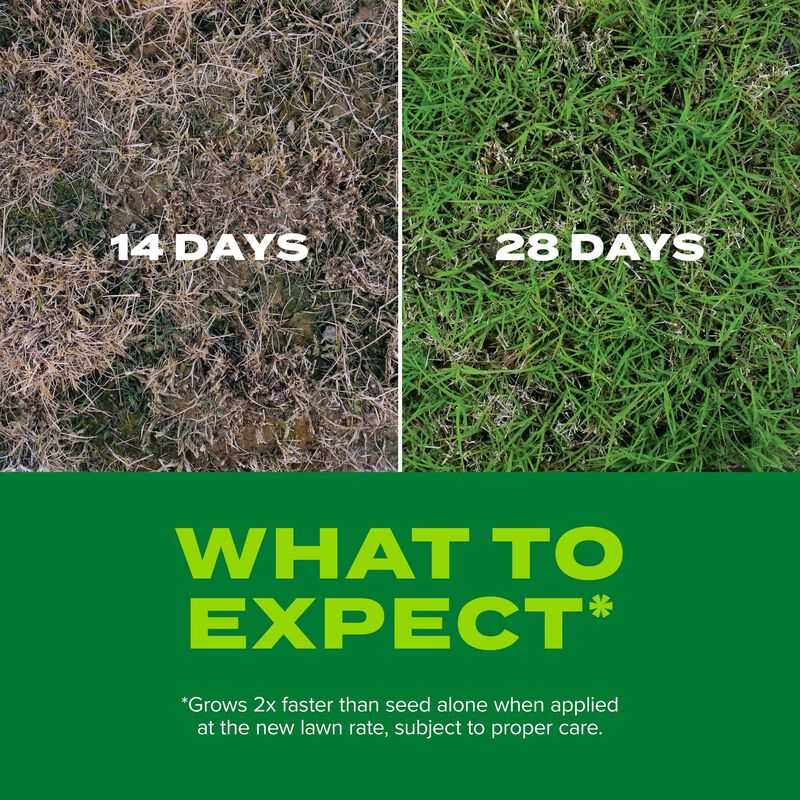
Bermuda grass can typically sprout within 7 to 21 days once the seeds are planted, depending on conditions. If you’re eager to see your new lawn take shape, understanding the growth timeline can keep you motivated and prepared. In just a few weeks, with proper care, you’ll start noticing those vibrant green shoots emerging.
On average, Bermuda grass takes about two to three weeks to sprout after planting, provided it’s given the right warm temperatures, adequate moisture, and proper soil preparation. Its quick germination makes it a popular choice for lawns, but patience and good gardening practices are key to ensuring a healthy, lush turf.
Starting a Bermuda grass lawn can be exciting, especially if you’re aiming for a resilient, drought-tolerant yard. This grass variety thrives in warm climates and is known for its fast growth. When planting Bermuda grass, the key factors for successful sprouting include maintaining soil temperatures between 65-70°F, keeping the soil consistently moist, and choosing high-quality seeds. Within about a week, you may see the first signs of sprouting if conditions are optimal, but it can take up to three weeks for a fully established sprout. Understanding this timeline helps you plan your lawn project and provides realistic expectations, ensuring you’re patient enough to enjoy your beautiful new yard once the green carpet begins to grow.

How Long Does It Take Bermuda Grass to Sprout?
Bermuda grass is a popular choice for lawns and sports fields because of its durability and lush appearance. One common question gardeners and homeowners ask is, how long does it take Bermuda grass to sprout? The answer varies based on several factors, but understanding the growth timeline helps you plan your lawn care effectively. In this section, we will explore the entire process from seed planting to sprouting, highlighting key details to keep in mind.
Understanding Bermuda Grass Germination Timeline
Typically, Bermuda grass seeds begin to sprout within 7 to 14 days after planting. This period can fluctuate depending on environmental conditions such as soil temperature and moisture levels. Warm and moist conditions are ideal for quick germination, so ensure your soil is prepared properly.
Factors Affecting Germination Speed
- Soil Temperature: Optimal germination occurs when soil temperatures are between 65°F and 75°F. Temperatures below or above this range can delay sprouting.
- Moisture Content: Consistent moisture in the soil promotes faster germination. Too dry or overly wet soil can hinder seed sprouting.
- Seed Quality: Fresh, high-quality Bermuda grass seeds tend to sprout quicker than older or lower-quality seeds.
- Sunlight: Although sunlight doesn’t directly speed up germination, it influences soil temperature and seedling development after sprouting.
Step-by-Step Germination Process
Understanding each phase helps in recognizing healthy growth and troubleshooting potential issues. Here’s what happens from planting to sprout:
1. Seed Preparation
Start with clean, viable Bermuda grass seeds. Soaking seeds overnight can help improve moisture absorption and promote faster germination.
2. Soil Contact and Covering
Plant the seeds at a depth of about 1/4 inch. Lightly cover them with soil or keep the soil loose on top to allow for easy sprouting.
3. Waiting Period
During this stage, seeds absorb water, swell, and begin the germination process. Maintain consistent moisture and warmth.
4. Sprouting and Seedling Emergence
Within 7 to 14 days, small grass blades emerge from the soil. These seedlings will grow taller and develop their root system over the following weeks.
Optimizing Conditions for Faster Sprouting
To ensure quick germination of Bermuda grass, focus on creating the best environment:
Maintaining Soil Temperature
Use a soil thermometer to keep temperatures between 65°F and 75°F. If the soil is too cool, consider watering during warmer parts of the day or delaying planting until conditions improve.
Ensuring Proper Moisture
Keep the soil evenly moist but not waterlogged. Use light watering multiple times a day if necessary, especially during hot weather.
Using Quality Seeds and Proper Planting Techniques
Choose fresh Bermuda grass seed from reputable suppliers. Follow planting depth recommendations, and lightly press the seeds into the soil to ensure good contact.
Common Challenges and How to Overcome Them
Sometimes, Bermuda grass takes longer to sprout or fails to germinate. Here are common issues and solutions:
Poor Germination Rates
- Solution: Use high-quality, fresh seed and ensure optimal soil temperature and moisture.
Delayed Sprouting
- Solution: Check soil temperatures and moisture levels. Consider covering the area with clear plastic to create a warm, humid environment.
Seedling Damping Off
- Solution: Avoid overwatering, improve soil drainage, and use sanitized soil or seed-starting mix to prevent fungal infections.
Transitioning from Sprout to Mature Lawn
After seedlings emerge, they need proper care to develop into a dense, green lawn. Water deeply and regularly, providing about 1 to 1.5 inches of water weekly.
Fertilization Tips
Apply a balanced fertilizer about four to six weeks after sprouting to promote healthy growth. Follow recommended application rates to avoid over-fertilizing.
Mowing and Maintenance
Once the grass reaches about 2 to 3 inches, start mowing to promote a fuller stand. Keep mower blades sharp and mow regularly, but never remove more than one-third of the grass height at a time.
Seasonal Considerations for Bermuda Grass Sprouting
Bermuda grass thrives in warmer climates and prefers a growing season from late spring to early fall. Planting too early in spring or late in fall can delay sprouting or cause failure.
Spring Planting
Ensure the soil has warmed sufficiently and there is no risk of frost before planting Bermuda grass seeds.
Summer and Fall Planting
Summers with warm soil temperatures are ideal for rapid sprouting. In regions with cooler climates, consider overseeding in late spring or early summer.
Comparing Bermuda Grass to Other Lawn Types in Terms of Sprouting
| Grass Type | Typical Sprouting Time | Preferred Conditions |
|---|---|---|
| Bermuda Grass | 7 to 14 days | Warm soil, full sun, consistent moisture |
| Kentucky Bluegrass | 14 to 30 days | Cooler temperatures, moist soil |
| Zoysia Grass | 10 to 21 days | Moderate warmth, well-drained soil |
Additional Tips for Successful Bermuda Grass Establishment
- Soil Preparation: Well-drained, fertile soil promotes faster germination and healthy growth.
- Seeding Rate: Use recommended seed quantities to ensure good coverage without overcrowding.
- Monitoring: Regularly check soil moisture and temperature to adjust watering and prevent stress on seedlings.
Growing Bermuda grass from seed requires patience and attention to environmental details. By understanding the germination timeline and creating optimal conditions, you set the stage for a lush, green lawn that can last for years. Remember, consistency is key to successful sprouting and healthy growth, so keep a close eye on your soil conditions and care routines throughout the process.
How Long Does Bermuda Grass Seed Take To Grow? – The Plant Enthusiast
Frequently Asked Questions
How soon can I expect Bermudagrass to start sprouting after planting?
Typically, Bermudagrass begins to sprout within 7 to 14 days after planting, depending on soil conditions and environmental factors. Warm temperatures and adequate moisture can accelerate germination, while cooler or inconsistent conditions may delay it.
What factors influence the germination time of Bermudagrass?
Several factors affect how quickly Bermudagrass sprouts, including soil temperature, moisture levels, seed quality, and sunlight exposure. Higher soil temperatures between 75°F to 85°F generally promote faster germination, while insufficient water or poor seed quality can slow down the process.
Can proper watering practices speed up Bermudagrass sprouting?
Yes, maintaining consistent and adequate moisture in the soil encourages quicker germination. Water the area lightly but frequently to keep the soil moist, avoiding both drought stress and waterlogging, which can hinder seed sprouting and establishment.
How does soil preparation impact the germination period for Bermudagrass?
Proper soil preparation ensures better seed-to-soil contact and optimal conditions for germination. Loosen the soil, remove weeds, and level the planting area. These steps create a conducive environment that can lead to quicker sprouting and healthier grass development.
Is it normal for Bermudagrass to take longer to sprout in cooler climates?
Yes, cooler climates tend to slow down seed germination. Bermudagrass prefers warm soil temperatures, so in cooler regions, sprouting may take closer to 14 days or more. Providing soil warmth through coverings or planting during warmer months can help improve germination times.
Final Thoughts
Bermuda grass typically sprouts within 7 to 14 days after planting, given ideal conditions. Adequate warmth, moisture, and sunlight speed up germination. Proper soil preparation enhances growth speed.
Maintaining consistent watering and monitoring soil temperature ensure quick sprouting. Keep the soil moist but not waterlogged for optimal results.
how long does it take bermuda grass to sprout? Usually, it takes about one to two weeks for Bermuda grass to emerge, depending on environmental factors. Patience and proper care are key to successful germination.