Crabgrass killer usually starts showing visible results within a few days to a week after treatment, but complete eradication can take up to two weeks depending on the product and conditions. If you’re eager to reclaim your lawn and see those unwanted weeds disappear quickly, understanding the timeline helps set realistic expectations. The effectiveness of crabgrass control varies based on factors like the type of herbicide used, weather conditions, and the size of the infestation. Generally, most weed killers begin to work within a few days, but full results might take a couple of weeks. Being patient and following the instructions carefully will ensure the best chance of success in keeping your lawn healthy and crabgrass-free.
When you apply crabgrass killer, it typically takes between 7 to 14 days for the weeds to die off completely and stop growing. Immediate results might not be visible, but consistent application combined with proper lawn care will lead to a healthier, crabgrass-free yard. Knowing this timeline helps you plan your weed control routine effectively, making sure you’re not expecting instant miracles but are on the right track toward a lush lawn.

How Long Does Crabgrass Killer Take to Work?
Understanding how long crabgrass killer takes to work is important for gardeners and homeowners who want a quick and effective solution. The time it takes can depend on several factors, including the type of product used, weather conditions, and the severity of the crabgrass infestation. Being patient is key, but knowing what to expect helps you plan your lawn care routine better.
Types of Crabgrass Killers and Their Expected Timeframes
Pre-Emergent Crabgrass Killers
Pre-emergent herbicides are applied before crabgrass seeds sprout. They work by creating a barrier that prevents seeds from germinating. Typically, you will see results within a few days to a week after application, especially if the weather is warm and moist. Reapplication might be needed in the next season for continued prevention.
Post-Emergent Crabgrass Killers
Post-emergent herbicides target crabgrass that has already sprouted and started growing. These tend to take longer to show results, often within 7 to 14 days. In some cases, visible signs of dead crabgrass may appear after just a few days, but complete eradication can take longer depending on the severity.
Factors That Affect How Quickly Crabgrass Killer Works
Weather Conditions
Weather plays a vital role in the effectiveness of herbicides. Warm and moist conditions often enhance the action of crabgrass killers, making them work faster. Conversely, cold or drought conditions may slow down the absorption process and delay visible results.
Type and Concentration of Herbicide
Stronger formulations generally provide quicker results. For example, professional-grade post-emergent herbicides with higher active ingredients work faster than weaker products. Always follow manufacturer instructions for best results.
Application Timing
Applying herbicide at the right time ensures faster and more effective results. For post-emergent treatments, late spring or early summer when crabgrass actively grows is ideal. For pre-emergent, applying before crabgrass seeds germinate—usually early spring—is best.
Signs That Crabgrass Killer Is Working
- Yellowing or browning of crabgrass within a few days to a week after application
- Progressive brown-out and death of crabgrass patches over 2 weeks
- Minimal new growth of crabgrass in treated areas during the following weeks
- Healthy grass surrounding the dead crabgrass remains unaffected, indicating selective action
How To Maximize the Effectiveness of Crabgrass Killer
Proper Application Technique
Always read the label carefully. Apply herbicides during calm weather to prevent drift. Use the correct amount and evenly distribute the product over the target area.
Timing Is Crucial
For pre-emergent, apply early in the spring before the soil warms up and crabgrass seeds sprout. Post-emergent should be used once crabgrass is actively growing, usually when it is young and tender.
Follow-Up Treatments
If crabgrass persists after initial treatment, multiple applications may be necessary. Wait at least two weeks before reapplying to avoid damaging your lawn.
Comparing Common Crabgrass Herbicides and Their Timeframes
| Product Type | Active Ingredients | Expected Time to See Results | Best Use |
|---|---|---|---|
| Pre-Emergent Herbicide | Prodiamine, Pendimethalin | Within 3 to 7 days | Preventing seed germination |
| Post-Emergent Herbicide | Quinclorac, Fenoxaprop | 7 to 14 days | Controlling existing crabgrass |
| Natural Remedies | Vinegar, Corn gluten meal | Several weeks | Organic control, best for small patches |
Common Mistakes That Can Delay Crabgrass Control
- Applying herbicide during unsuitable weather conditions, such as rain or extreme heat
- Using expired or improperly stored products
- Over- or under-application of the herbicide
- Failing to follow recommended watering guidelines after application
When to Reapply Crabgrass Killer
If crabgrass shows signs of survival after the initial application, reapply after at least two weeks. For persistent patches, multiple treatments over a season may be necessary for complete eradication.
How Long Should You Wait Before Seeing Full Results?
While some crabgrass may begin dying within a few days, full control often takes two to three weeks. During this period, it is normal to observe brown patches or dead growth.
Additional Tips for a Healthy Lawn
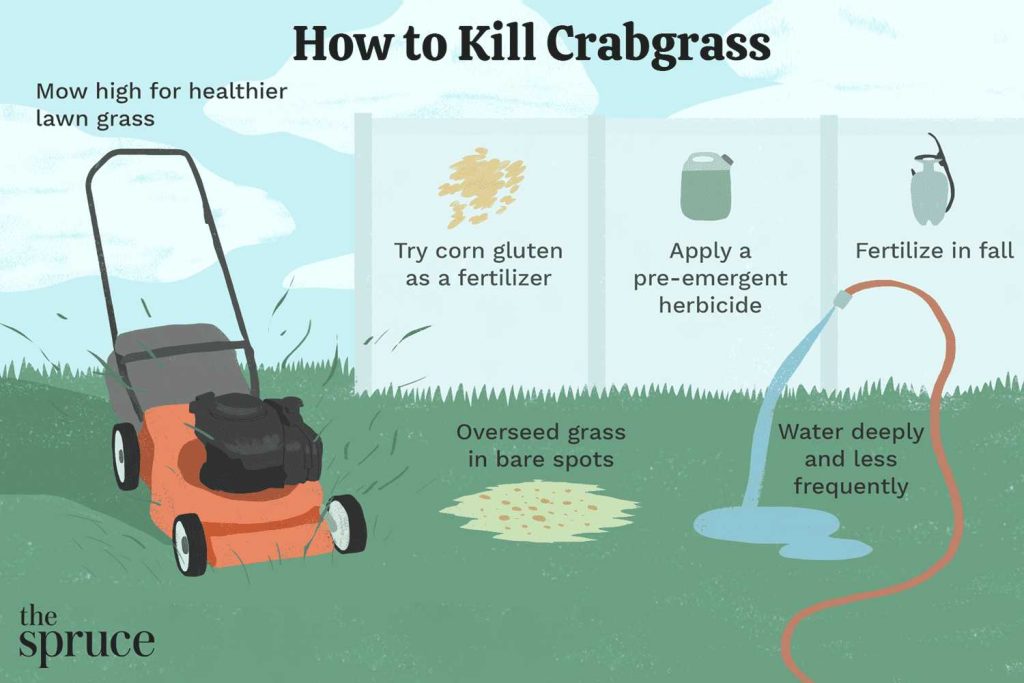
- Maintain proper mowing height to promote healthy grass growth
- Water deeply but infrequently to strengthen your lawn
- Fertilize appropriately to help your grass recover from herbicide treatment
- Regularly inspect your lawn for new crabgrass growth and treat promptly
By understanding the expected timeframes and factors influencing herbicide effectiveness, you can better manage your lawn’s health. Consistent application and proper lawn care practices will help keep crabgrass at bay and ensure a lush, green yard.
Scotts Halts Crabgrass Preventer – How Long Does It REALLY Work?
Frequently Asked Questions
How soon can I expect crabgrass to start dying after applying the killer?
Most crabgrass killers begin showing visible results within 7 to 14 days after application. The exact timing depends on the specific product used, the size of the crabgrass, and the local weather conditions. In warmer weather, you might see quicker responses, while cooler temperatures could slow down the process.
Will I see immediate effects right after applying the crabgrass control?
No, you typically won’t see immediate results right after application. Crabgrass killers usually need some time to be absorbed by the weeds and to inhibit their growth. It’s common for the plants to yellow or turn brown gradually over the course of a week or two, depending on how actively they are growing.
How does weather influence the effectiveness and timing of crabgrass killer results?
Weather significantly impacts how quickly crabgrass dies after treatment. Warm, sunny days promote faster absorption and activity of the herbicide, leading to quicker results. Conversely, rain shortly after application can wash away the product, reducing its effectiveness and delaying visible signs of weed death. For best results, apply on a dry day with no rain forecast for at least 24 hours.
Are there factors that can delay the visible effectiveness of crabgrass killer?
Yes, several factors can delay results. Applying the product during periods of drought or on unhealthy, stressed weeds may slow down the process. Additionally, using a product that isn’t suited for the current weather or applying too late in the season can also hinder rapid results. Proper application according to instructions enhances the effectiveness and speeds up weed control.
How long should I wait before reapplying if I don’t see results?
If you haven’t observed signs of crabgrass death within two to three weeks, consider reapplying the treatment. Make sure you’re following the product’s instructions carefully, including the recommended interval between applications. Reapplication can help control stubborn patches, but avoid overusing herbicide to prevent damage to your lawn.
Final Thoughts
The answer to ‘how long does crabgrass killer take to work’ depends on the product used and weather conditions. Typically, you will see initial signs of control within a week. For full results, it may take two to three weeks. Patience is key to ensure the product effectively kills crabgrass.