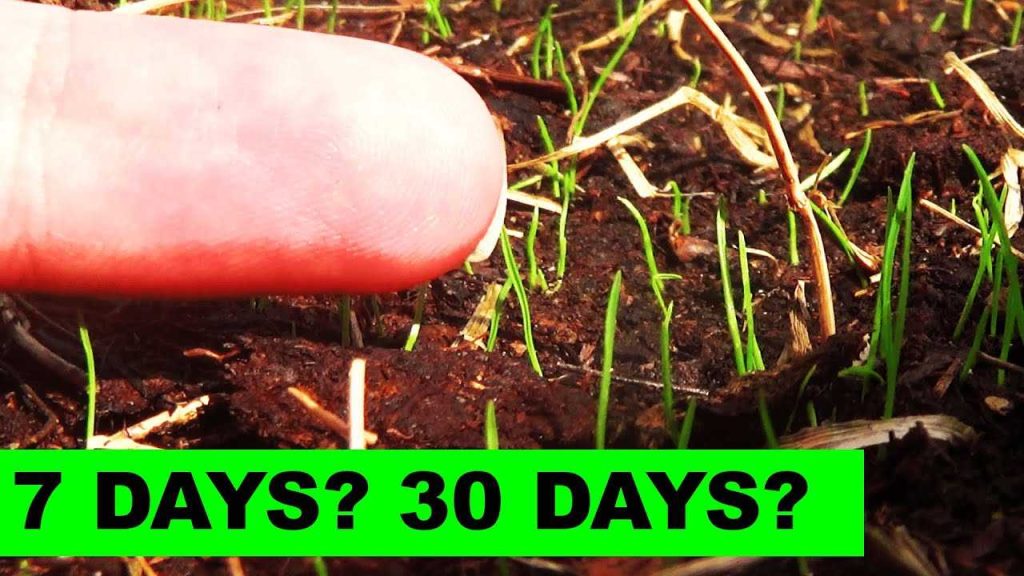
Kentucky bluegrass typically begins to germinate within 14 to 30 days under ideal conditions. If you’re eager to see your lush lawn grow, understanding the germination timeline can help you plan better and ensure your grass gets a healthy start.
In just a few weeks, your Kentucky bluegrass seeds can sprout, but this depends on factors like soil temperature, moisture, and seed quality. Patience and proper care are key to establishing a dense, vibrant lawn, so knowing what to expect helps keep you motivated throughout the process.
Getting your Kentucky bluegrass to germinate quickly is all about creating the right environment—warm, moist soil and good seed-to-soil contact are essential. Once germinated, it usually takes about 4 to 8 weeks for the grass to develop into a lush, full lawn. Being aware of these timelines can help you monitor progress and ensure your new grass thrives from the start.

How Fast Does Kentucky Bluegrass Germinate? An In-Depth Look
Understanding the germination process of Kentucky Bluegrass is essential for anyone planning to establish a lush, green lawn. The speed at which this grass starts to grow depends on several factors, including temperature, soil conditions, and seeding methods. In this section, we will explore how quickly Kentucky Bluegrass begins to sprout and what influences its growth rate.
Typical Germination Time for Kentucky Bluegrass
In general, Kentucky Bluegrass seeds usually germinate within 14 to 28 days after planting. This period can vary based on environmental conditions and seed quality. If conditions are ideal, you might see signs of sprouting as early as two weeks.
Factors That Affect Germination Speed
Several key factors impact how fast Kentucky Bluegrass seeds sprout. These include soil temperature, moisture levels, seed freshness, and planting depth.
Soil Temperature
Germination occurs most quickly when soil temperatures range between 60°F and 75°F (15°C to 24°C). Temperatures outside this range can delay sprouting or reduce germination rates.
- Below 50°F (10°C): Germination slows significantly or stops entirely.
- Above 80°F (27°C): Seeds may not germinate as effectively, and heat stress can damage emerging seedlings.
Soil Moisture and Drainage
Consistent moisture is crucial for Kentucky Bluegrass to germinate successfully. The soil should be kept evenly moist but not waterlogged. Poor drainage can lead to seed rot or fungal issues that hinder growth.
Seed Quality and Viability
Fresh, high-quality seeds with high germination rates will sprout faster. Old or damaged seeds tend to have lower germination success and may take longer to emerge.
Seeding Depth
Plant seeds at a depth of approximately 1/4 to 1/2 inch (6 to 13 mm). Deeper planting can delay germination or prevent seeds from reaching the surface.
Optimal Conditions for Rapid Germination
Creating the right environment can speed up Kentucky Bluegrass germination. Here are some tips for achieving optimal conditions:
- Plant seeds in early spring or early fall when temperatures are favorable.
- Maintain soil moisture with regular watering, especially during dry spells.
- Prepare the soil by aerating and removing debris for better seed-to-soil contact.
- Use high-quality seeds from reputable suppliers to ensure good germination rates.
Germination Timeline Breakdown
The following table summarizes typical germination timelines based on different conditions:
| Condition | Expected Germination Time | Details |
|---|---|---|
| Optimal Temperature (65°F-75°F) & Moist Soil | 14-21 days | Seeds sprout quickly and evenly |
| Cooler Soil (Below 60°F) | 3-4 weeks | Slow but steady germination |
| Warmer Soil (Above 75°F) | 2-3 weeks | Likely delayed or uneven sprouting |
| Dry Soil Conditions | Longer germination period or failure | Requires consistent watering for success |
Signs That Kentucky Bluegrass Is Germinating
Seedlings will begin to emerge as thin, fine blades of grass. You might see tiny green shoots breaking through the soil surface within two to four weeks under ideal conditions. Regular checks help ensure the seeds are sprouting as expected.
What To Do If Germination Is Delayed
If seeds haven’t sprouted after four weeks, consider these steps:
- Check soil temperature and moisture levels.
- Ensure seeds are planted at the correct depth.
- Consider re-seeding if seed viability is questionable.
- Adjust watering schedule to keep the soil evenly moist.
Enhancing Germination Success
Using a seed starter or seed blanket can improve moisture retention and seed-to-soil contact. Covering seeds lightly with soil or a thin layer of compost can also protect them from birds or wind.
Summary of Key Points
- Kentucky Bluegrass typically germinates in 14 to 28 days.
- Optimal soil temperature is between 60°F and 75°F.
- Consistent soil moisture significantly improves germination speed.
- High-quality, fresh seeds improve success rates.
- Proper seeding techniques ensure faster and more uniform sprouting.
Knowing how fast Kentucky Bluegrass germinates helps you plan your planting schedule effectively. By managing environmental factors and choosing quality seeds, you can achieve a lush, healthy lawn in a timely manner.
How Fast Does Kentucky Bluegrass Grow From Seed?
Frequently Asked Questions
How long does it typically take for Kentucky bluegrass to sprout after planting?
Kentucky bluegrass generally begins to sprout within 14 to 21 days after sowing, provided the soil temperature is between 60°F and 75°F. Proper soil preparation, adequate watering, and maintaining optimal temperature levels help ensure a quicker germination process.
What environmental conditions influence the germination speed of Kentucky bluegrass?
Soil temperature, moisture levels, and sunlight significantly impact how fast Kentucky bluegrass germinates. Warmer soil temperatures within the recommended range promote faster sprouting, while consistent moisture keeps the seeds hydrated. Adequate sunlight ensures healthy seedling development after germination.
Can the use of seed treatments or fertilizers affect the germination rate of Kentucky bluegrass?
Yes, applying starter fertilizers with the right nutrients can enhance germination by providing essential nutrients early in growth. However, using seed treatments that include fungicides or growth stimulants can also improve germination speed by protecting seeds from diseases and encouraging faster sprouting.
How does soil preparation impact the speed of Kentucky bluegrass germination?
Proper soil preparation, such as tilling and ensuring good drainage, creates optimal conditions for seed contact and moisture retention. Well-prepared soil reduces the likelihood of seed rot and fungal issues, leading to quicker and more uniform germination.
What steps can I take to ensure quick germination of Kentucky bluegrass in my lawn?
Maintain soil at the ideal temperature range, keep the soil consistently moist, and plant the seeds at the recommended depth. Using quality seed, preparing the soil thoroughly, and providing adequate sunlight can all help speed up germination and establish a healthy lawn faster.
Final Thoughts
Kentucky bluegrass typically germinates within 14 to 21 days under optimal conditions. Proper soil preparation and consistent watering can speed up this process.
The key to quick germination is keeping the soil moist and maintaining a temperature around 60-75°F.
In conclusion, how fast does kentucky bluegrass germinate depends on soil care and weather. Usually, you can expect sprouting within three weeks, making it a reliable choice for lawns.