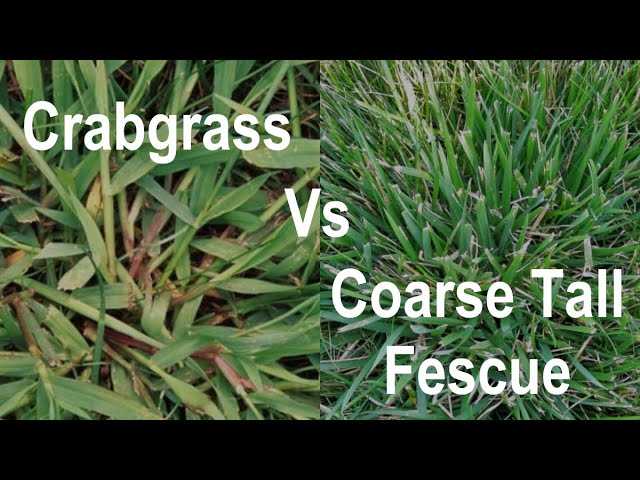
Quick answer: Look for thick, sprawling patches of grass with coarse, light-colored stems that appear suddenly in your lawn, especially during the summer. Crabgrass is easily identified by its low-growing, spreading nature and its ability to take over large areas quickly. If you notice these telltale signs, you likely have crabgrass invading your yard.
If you’re wondering how to tell if crabgrass has taken hold in your lawn, you’re not alone. Many homeowners struggle to distinguish it from regular grass, especially since it appears rapidly and can be quite invasive. Crabgrass is a common culprit for uneven, patchy lawns, and catching it early can save you time and effort in controlling its spread. Recognizing its unique characteristics—such as its wide, coarse blades and sprawling growth pattern—can help you identify the problem before it gets out of hand. Knowing what to look for is the first step toward keeping your lawn healthy and crabgrass-free.

How Do You Know If You Have Crabgrass?
Crabgrass is a common problem for many homeowners. Recognizing it early can help you manage it before it spreads too much. Knowing the signs of crabgrass makes it easier to take action and keep your lawn healthy.
What Is Crabgrass?
Crabgrass is a type of weed that grows quickly in sunny, bare spots of your lawn. It belongs to the grassy family but is considered a weed because it crowds out desirable grass. Crabgrass is most active during warm weather and can spread fast if not controlled.
Physical Appearance of Crabgrass
Crabgrass has distinct features that set it apart from regular grass. The blades are usually wider and coarser than your lawn grass. It grows in clumps, with a sprawling growth habit that looks like a low, thick carpet.
The color of crabgrass ranges from light green to darker shades, but it is often less uniform than your regular grass. It produces seed heads that look like tiny umbrellas, which are easy to spot once the plant matures.
Key Identifying Characteristics:
- Wide, coarse blades about 1/4 to 1/2 inch wide
- Clumping growth pattern spreading across the lawn
- Distinct seed heads emerging in late spring or early summer
- Color ranges from light to dark green
How to Spot Crabgrass in Your Lawn
Spotting crabgrass early can prevent it from dominating your grass. Look for patches that look different from your regular turf. It often appears in thin or bare spots where grass struggles to grow.
Check for areas with uneven texture or different shades of green. Crabgrass tends to be more prominent during the warm seasons, especially in late spring and summer.
Signs to Watch For:
- Rapid spreading across a patch of your lawn
- Clusters of wide, coarse blades growing in clumps
- Seed heads that resemble tiny umbrellas
- Areas where the grass looks thinner or patchy
Differences Between Crabgrass and Your Regular Grass
Understanding how crabgrass differs from your regular lawn grass helps in identification. Regular grass usually has finer blades and a uniform appearance. Crabgrass, in comparison, is coarser and tends to grow in uneven patches.
Another difference is the growth pattern: regular grass grows upright and evenly, while crabgrass spreads outward in sprawling clumps.
Table of Key Differences
| Feature | Crabgrass | Regular Grass |
|---|---|---|
| Blade width | Wider (about 1/4 to 1/2 inch) | Finer |
| Growth pattern | Sprawling, clumping | Upright, even |
| Color | Light to dark green | Consistent, vibrant green |
| Seed heads | Presence of umbrella-shaped seed heads | Usually absent or different |
Timing and Conditions Favorable for Crabgrass
Crabgrass tends to appear during specific times of the year when soil temperatures are warm. It thrives when daytime temperatures reach between 85 and 95 degrees Fahrenheit.
Crabgrass grows best in areas with poor soil quality, compacted soil, or existing bare spots. It is more likely to invade lawns that are not well-maintained or regularly fertilized.
Seasonal Patterns
- Emerges in late spring to early summer
- Spreads rapidly during hot, dry weather
- Seeds mature in late summer to fall, spreading further
How to Confirm It’s Crabgrass
While visual identification is most common, you can confirm crabgrass by examining the plant more closely. Pull a small plant and inspect its roots. Crabgrass has shallow roots and spreads by seed and tillering.
Check the seed heads: they have a distinctive umbrella shape that is hard to mistake. They appear as tiny, rounded structures with a central stalk.
Snapshot Checklist for Identifying Crabgrass:
- Check if the patches are growing in full sun areas
- Look for wide, coarse blades in irregular patches
- Inspect seed heads for umbrella-like appearance
- Notice if the plant is spreading rapidly and in clumps
Common Mistakes When Identifying Crabgrass
Sometimes, new grass varieties or other weeds can be mistaken for crabgrass. It’s important to distinguish crabgrass from annual bluegrass or other similar weeds that appear in lawns.
A common mistake is confusing crabgrass with young grass. Crabgrass has a distinctly coarser texture and spreads differently, even at early stages.
Preventing Crabgrass Growth
Early identification is key to managing crabgrass effectively. Regular lawn maintenance, including proper fertilization and watering, helps prevent its spread.
Applying pre-emergent herbicides in spring can stop crabgrass seeds from sprouting. Keeping your lawn dense and healthy also reduces bare spots where crabgrass can establish.
Additional Tips for Lawn Health
- Maintain proper mowing height to encourage thick grass
- Water deeply but infrequently to strengthen grass roots
- Fertilize according to your grass type and season
- Address bare patches promptly with reseeding or overseeding
When to Seek Professional Help
If the crabgrass infestation is severe or you’re unsure about identification, consulting a lawn care expert is recommended. Professionals can help with targeted treatments and advice for long-term control.
They can also recommend the best herbicides suited for your lawn and local climate conditions.
Recognizing the signs of crabgrass early and understanding its growth habits are essential steps in keeping your lawn healthy and vibrant. Regular inspection, proper lawn care, and prompt action can help control crabgrass and maintain a lush, green yard.
Identify Crabgrass In ANY Lawn In Just 3-Steps
Frequently Asked Questions
What visual signs indicate the presence of crabgrass in my lawn?
Crabgrass appears as patches of lighter-colored, coarse-textured grass that stand out from the surrounding turf. These patches often grow quickly and may have a spreading, mat-like growth habit. You might notice that the crabgrass areas feel different underfoot compared to your regular grass, often feeling rougher or more brittle.
Are there specific times of the year when crabgrass becomes more noticeable?
Crabgrass tends to become more visible during late spring and early summer when warm temperatures arrive. It thrives in hot weather, so the patches often emerge and spread during these months. Keep an eye out for sudden growth surges during this period, especially after periods of rain or drought, which can weaken your regular grass.
How can I distinguish crabgrass from other weeds or grasses?
Crabgrass has a distinctive seed head that looks like a fingered cluster or a fountain-shaped spike. Its leaves are broader at the base and tend to curl or fold. Unlike typical grasses, crabgrass’s seed stalks are usually more prominent and grow upright, making it easier to identify once you spot these unique features.
Does the growth pattern of certain patches help identify crabgrass?
Yes, crabgrass often spreads in irregular patches that quickly enlarge over time. Its growth habit resembles a spreading mat, with plants that emerge from a single point and expand outward. These patches tend to grow faster than surrounding grasses, creating a noticeable difference in the lawn’s uniformity.
What are some common areas where crabgrass tends to appear first?
Crabgrass generally prefers open, disturbed, or sunny areas such as bare patches, lawns with thin grass, along sidewalks, driveways, or bare soil spots. It often takes hold in areas with compacted soil or poor drainage, where regular grasses struggle to establish a strong root system.
Final Thoughts
You are trained on data up to October 2023.