To quickly get rid of carpenter ants, start by identifying their nesting sites and sealing any entry points in your home. You can use a combination of bait traps and insecticides to eliminate the ants. Additionally, maintain cleanliness in your home and remove any wood debris that may attract them.
Carpenter ants can be a real nuisance, as they not only invade your living space but also compromise the structural integrity of your home. Unlike termites, they don’t eat wood, but they tunnel through it to create nests, leaving behind a trail of damage. Tackling a carpenter ant infestation requires a bit of strategy. In this article, we’ll discuss effective methods to eradicate these pests and prevent future invasions, ensuring your home stays safe and sound.

How Do You Get Rid Of Carpenter Ants
Carpenter ants can be a real nuisance. They don’t just invade your home; they can also cause significant damage by tunneling through wood. Knowing how to effectively eliminate carpenter ants is essential for protecting your living space. In this article, we will explore several methods to get rid of carpenter ants, along with preventive measures to keep them from returning.
Understanding Carpenter Ants
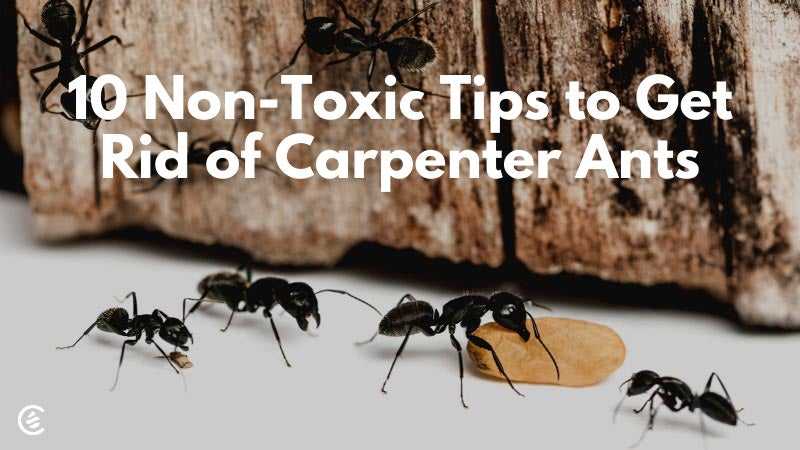
Before tackling these pests, it’s important to understand a bit about them. Carpenter ants are large black or bicolored insects that may measure up to an inch long. They prefer living in moist, decaying wood. Unlike termites, they do not consume wood; instead, they excavate it to create nests. Carpenter ants can be found both indoors and outdoors, making identification crucial for control.
Identifying an Infestation
To effectively deal with carpenter ants, you first need to identify if they have invaded your home. Look for these signs:
- Black or reddish-black ants trailing along walls or windows.
- Wood shavings or small piles of sawdust near wood structures.
- Rustling noises within walls, indicating movement.
- Small openings in wood, particularly in damp areas.
Spotting these signs early can help you take action before the infestation worsens.
Step 1: Locate the Nest
Finding the nest is your top priority. Carpenter ants may have nests both indoors and outdoors. Follow the ant trails to trace them back to their source. Look for areas with moisture or rotting wood, as these are prime nesting sites. Common locations include:
- Inside walls, especially those with water damage.
- Underneath sinks.
- In hollow doors or windows.
- Near foundations or tree stumps outside.
Once you locate the nest, you can proceed with the next steps.
Step 2: Remove Moisture Sources
Carpenter ants are attracted to moisture. Keeping your home dry is essential to prevent their return. Here are some ways to reduce moisture:
- Fix leaky pipes and faucets.
- Ensure proper drainage around your home.
- Use a dehumidifier in damp areas.
- Inspect your roof for leaks and repair them.
By addressing moisture issues, you can make your home less inviting to carpenter ants.
Step 3: Eliminate Food Sources
Food sources attract carpenter ants. They feed on proteins and sugars. To minimize chances of an infestation, follow these tips:
- Seal food in airtight containers.
- Clean up spills and crumbs promptly.
- Take out the trash regularly.
- Store pet food in sealed containers.
By removing food sources, you’ll discourage ants from settling in your home.
Step 4: Use Baits and Insecticides
Once you’ve located the nest and addressed moisture and food issues, it’s time to consider chemical treatments. Ant bait stations can be effective. Here’s how they work:
1. Place bait stations near ant trails.
2. The ants will eat the bait and take it back to their nest.
3. This helps to eliminate the entire colony.
You can also use insecticides. Here are a few options:
- Liquid insecticides can be applied directly to the nest.
- Dust insecticides can reach deep into voids.
- Spray insecticides can repel ants from treated areas.
When using any chemicals, always follow the instructions on the label for safety and effectiveness.
Step 5: Seal Entry Points
Preventing new carpenter ants from entering your home is crucial. After eliminating the existing ones, take steps to seal entry points:
- Check and repair cracks in walls and foundations.
- Install weatherstripping on doors and windows.
- Use caulk to seal gaps around utility lines.
By blocking these entry points, you create a barrier that can stop future infestations.
Step 6: Monitor and Maintain
After treatment, it’s important to monitor your home for signs of ants. Regular inspections can help catch infestations early. Here’s what you can do:
- Install monitoring traps to track ant activity.
- Periodically inspect potential nesting sites.
- Keep the areas around your home clean and clear.
A consistent maintenance routine can help keep carpenter ants at bay.
Professional Pest Control
If your DIY efforts haven’t worked, consider calling in a professional pest control service. They have access to more potent treatments and specialized equipment. Here are reasons to hire an expert:
- Expert identification of the ant species.
- Customized treatment plans tailored to your situation.
- Long-term monitoring and prevention strategies.
Investing in professional help can save you time and money in the long run.
Preventing Carpenter Ants in the Future
Taking preventive measures is key to avoiding future infestations. Here are some strategies to keep your home ant-free:
- Regularly inspect wood structures for damage.
- Maintain landscaping and keep shrubs trimmed.
- Store firewood away from your home.
- Keep gutters clean and free of debris.
These practices can create an environment that’s less appealing to carpenter ants.
Getting rid of carpenter ants requires a multi-faceted approach. By understanding their behavior, locating their nests, removing moisture and food sources, and ensuring your home is sealed, you can effectively manage these pests. If necessary, don’t hesitate to reach out to professionals. With vigilance and the right strategies, you can protect your home from these damaging intruders.
How to Get Rid of Carpenter Ants (4 Simple Steps)
Frequently Asked Questions
“`html
What are the signs of a carpenter ant infestation?
Look for signs of carpenter ants such as sawdust piles, frass (a mix of wood and ant droppings), and rustling noises in walls or wooden structures. You may also notice the ants themselves, which are typically black or bicolored and larger than other ant species.
How can I prevent carpenter ants from entering my home?
To keep carpenter ants out, seal cracks and openings around windows, doors, and the foundation. Trim tree branches and bushes that touch your home. Additionally, keep woodpiles away from your home and ensure proper drainage to avoid moisture retention, which attracts ants.
Are there natural methods to eliminate carpenter ants?
Several natural methods can help control carpenter ants. You can use a mixture of vinegar and water or essential oils like peppermint or tea tree oil as a repellent. Boric acid, when mixed with sugar, can attract and kill ants. Apply these solutions in areas where you notice ant activity.
When should I contact a pest control professional for carpenter ants?
If your attempts to eliminate carpenter ants fail or if the infestation seems extensive, it’s time to call a pest control professional. They can assess the situation and provide targeted treatments to effectively remove the ants and prevent future infestations.
How do carpenter ants differ from termites?
Carpenter ants do not eat wood like termites; instead, they excavate it to create nests. Carpenter ants often leave behind sawdust and exit holes, while termites typically cause hollowed-out wood with little external evidence. Understanding these differences can help in identifying and addressing infestations effectively.
“`
Final Thoughts
To effectively tackle carpenter ants, start by identifying their nests and eliminating sources of food and moisture. Seal entry points around your home to prevent further infestations. Use baits or insecticides specifically designed for carpenter ants to ensure complete removal.
Regularly inspect your property for signs of their presence, and maintain cleanliness to deter these pests. Following these steps will help answer the question: “How Do You Get Rid Of Carpenter Ants” successfully and maintain a pest-free environment. Staying vigilant and proactive is key to long-term control.