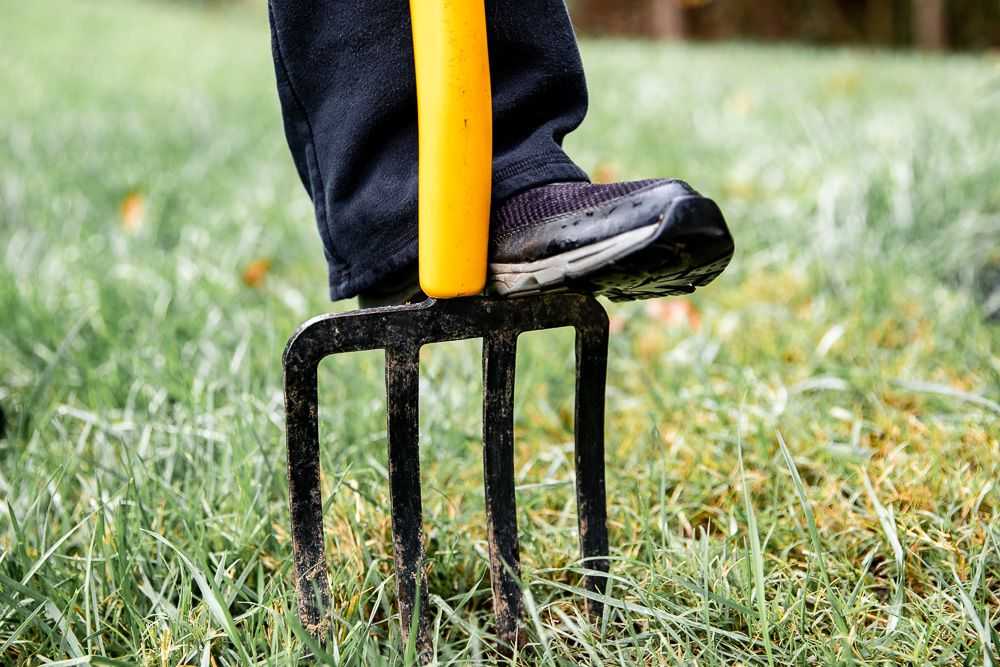
Aerating your lawn is a simple yet effective way to promote healthy grass growth and improve soil health. To aerate your lawn, you can use a manual or powered aerator to create small holes in the soil, allowing air, water, and nutrients to penetrate deeper. This process helps relieve compacted soil, encourages root development, and enhances overall lawn vitality. You can aerate your lawn in spring or fall, ideally when the grass is actively growing. By following these steps, your lawn will thrive, resulting in lush greenery and a more vibrant outdoor space. Let’s dive deeper into the aeration process and explore some tips to get the best results for your lawn care routine.

How Do You Aerate Your Lawn?
Aerating your lawn is an essential step in maintaining a healthy and vibrant outdoor space. It helps improve air circulation, promotes root growth, and allows water and nutrients to reach the grass roots more effectively. In this article, we will delve into various aspects of lawn aeration, answering the question, “how do you aerate your lawn?” and providing tips and techniques for effective lawn care.
What is Lawn Aeration?
Lawn aeration is the process of perforating the soil with holes to allow air, water, and nutrients to penetrate deep into the roots. This practice alleviates soil compaction, which is often caused by heavy foot traffic, poor drainage, or excessive thatch buildup. Aerating your lawn can significantly enhance the health and appearance of your grass.
Why is Aeration Important?
Aeration is vital for several reasons:
- Improves Root Growth: Aeration encourages deeper root development, allowing grass to access nutrients and water more effectively.
- Enhances Soil Health: It promotes microbial activity in the soil, which is crucial for breaking down organic matter and enriching the soil.
- Reduces Thatch Buildup: Aeration helps break down thatch, a layer of dead grass and roots that can suffocate the lawn.
- Increases Water Absorption: Aerated soil absorbs water more readily, reducing runoff and conserving moisture.
When Should You Aerate Your Lawn?
Timing is essential when it comes to aeration. Generally, the best times to aerate your lawn are during the growing seasons:
- Spring: Ideal for cool-season grasses. Aerating in early spring allows your lawn to recover quickly.
- Fall: Perfect for both cool-season and warm-season grasses. Fall aeration gives your lawn a chance to establish itself before winter.
It’s important to avoid aerating during periods of drought or when the grass is stressed.
Types of Lawn Aeration Methods
There are two main methods of aerating your lawn: spike aeration and core aeration. Understanding the differences can help you choose the best method for your yard.
Spike Aeration
Spike aeration involves perforating the soil with solid spikes. While this method does create holes, it can also compact the soil further around the holes. It’s best suited for yards that don’t have severe compaction issues.
Core Aeration
Core aeration is the preferred method. It removes small plugs of soil from the lawn, creating space for air, water, and nutrients to penetrate. This method alleviates compaction more effectively than spike aeration.
How to Aerate Your Lawn
Aerating your lawn can be a straightforward process if you follow these steps:
Step 1: Gather Your Tools
Before you start aerating, ensure you have the right tools. You can use:
- A core aerator (manual or powered)
- A spike aerator (if preferred)
- Rake for breaking up thatch
- Watering can or hose
Step 2: Prepare the Lawn
Before aeration, mow your lawn to a manageable height. This makes it easier for the aerator to penetrate the soil. Also, water your lawn thoroughly one or two days before aeration to soften the soil.
Step 3: Aerate the Lawn
Use the aerator to cover the entire lawn. For best results, make two passes in different directions. This ensures even aeration across the yard.
Step 4: Leave the Soil Plugs
After aeration, leave the soil plugs on the surface. They will break down over time and return nutrients to the lawn.
Step 5: Follow Up with Lawn Care
After aerating, consider applying fertilizer or overseeding your lawn to further enhance its health. Water your lawn regularly to help it recover.
Common Mistakes to Avoid
Avoiding common mistakes can lead to better results. Here are a few pitfalls to steer clear of:
- Aerating at the Wrong Time: Ensure you aerate during the optimal growing season.
- Ignoring Soil Moisture: Always check soil moisture before aerating to avoid damaging the grass.
- Not Aerating Enough: If your lawn is heavily compacted, you may need to aerate more frequently.
Benefits of Aerating Your Lawn
Aerating your lawn comes with numerous benefits:
- Healthier Grass: Aeration promotes stronger grass that can withstand stress.
- Better Drainage: Improved drainage reduces issues with pooling water and soggy patches.
- Enhanced Fertilizer Efficiency: Fertilizer will work better when applied to an aerated lawn.
Signs Your Lawn Needs Aeration
How do you know if your lawn needs aeration? Look for these signs:
- Thin Grass: If your grass appears thin and sparse, aeration may help improve growth.
- Pooling Water: Water that pools on the surface suggests poor drainage due to compaction.
- Heavy Foot Traffic: If your lawn experiences a lot of foot traffic, it’s likely compacted.
Aftercare: What to Do Post-Aeration
Taking care of your lawn after aeration is crucial for achieving the best results. Follow these steps for optimal recovery:
Watering
Water your lawn after aeration to help the grass recover. Aim for about one inch of water in the days following aeration.
Fertilization
Applying fertilizer after aeration allows the nutrients to reach the grass roots more efficiently. Look for slow-release fertilizers for the best effect.
Overseeding
Consider overseeding your lawn after aeration, especially if it appears patchy or thin. The holes created by aeration provide an ideal environment for new seeds to germinate and grow.
Tools for Lawn Aeration
Choosing the right tools for aeration can make the process easier. Here are some options:
- Manual Aerator: Great for small yards or spot aeration. It’s cost-effective and easy to use.
- Powered Aerator: Ideal for larger lawns. It covers more area quickly and efficiently.
- Spike Aerator: Useful for lawns with light compaction.
Aerating your lawn is a simple yet effective way to promote its health and beauty. By understanding how to aerate your lawn properly, you can ensure your grass thrives. Follow our steps and tips for successful aeration, and enjoy a lush, green lawn. Remember, a healthy lawn not only looks good but also contributes to a healthier environment. Start aerating today and watch your lawn flourish!
How To Aerate your Lawn EASY – CORE AERATION
Frequently Asked Questions
“`html
What tools do I need to aerate my lawn?
You can use several tools to aerate your lawn, such as a manual aerator, a spike aerator, or a core aerator. A manual aerator is ideal for small areas and requires some effort, whereas a core aerator removes soil plugs and is often more effective for larger lawns. You can also rent powered aerators from garden centers if you have a more extensive area to cover.
When is the best time to aerate my lawn?
The optimal time to aerate your lawn depends on the type of grass you have. For cool-season grasses, early spring or early fall provides the best conditions. For warm-season grasses, late spring or early summer is more suitable. Aerating during these times allows your grass to recover quickly and promotes healthy growth.
How often should I aerate my lawn?
Aeration frequency depends on your lawn’s soil type and usage. Generally, you should aerate once a year for most lawns. However, if your lawn receives heavy foot traffic or has compacted soil, you may need to aerate twice a year. Pay attention to the grass’s health and adjust accordingly.
What should I do after aerating my lawn?
After aerating, you should water your lawn thoroughly to help the grass recover and encourage new growth. Applying a fertilizer or overseeding can also enhance results. Keeping the soil moist in the weeks following aeration will promote faster healing and improve overall lawn health.
Can I aerate my lawn if it’s dry?
Aerating a dry lawn can cause more harm than good, as the soil will be too hard and compacted for effective aeration. It’s best to water your lawn a day or two before aeration to soften the soil. This process allows the aerator to penetrate the ground more effectively and improves the overall results.
“`
Final Thoughts
Aerating your lawn improves its health by allowing air, water, and nutrients to penetrate the soil. To aerate your lawn, use a core aerator that removes plugs of soil, reducing soil compaction and promoting root growth. Whether you choose manual or machine aeration, timing is key; aim for early spring or fall for best results.
In summary, to maintain a vibrant and healthy lawn, knowing how do you aerate your lawn is essential. Regular aeration brings your grass back to life, ensuring it thrives throughout the seasons. Make lawn care a priority, and enjoy a lush landscape.