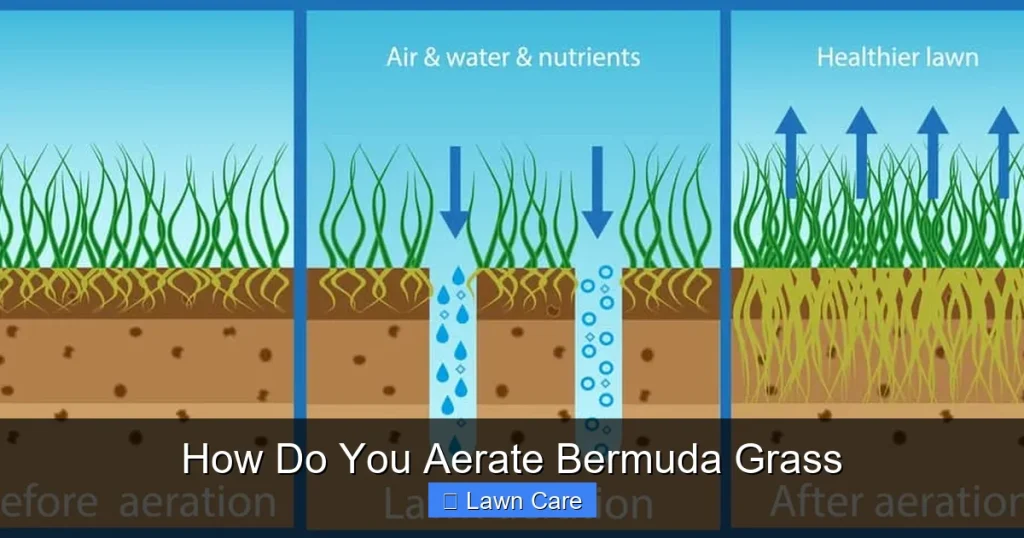
Aerate your Bermuda grass to combat soil compaction and improve its overall health. This process involves creating holes in the soil to allow air, water, and nutrients to reach the roots. Proper aeration leads to a thicker, greener, and more resilient lawn.
How Do You Aerate Bermuda Grass
Hey there, fellow lawn enthusiasts! If you’ve got a Bermuda grass lawn, you know it’s a superstar when it comes to heat tolerance and that beautiful, dense green carpet it can form. But even the toughest grasses need a little help sometimes, and that’s where aeration comes in. Think of it like giving your lawn a much-needed breath of fresh air – literally!
You might be wondering, “Why bother aerating? My grass looks pretty good!” Well, Bermuda grass, with its vigorous growth and tendency to form a thick thatch layer, can be prone to soil compaction. This compaction is like a traffic jam for your grass’s roots, preventing them from getting the air, water, and nutrients they desperately need. Aeration is the solution to this problem, and understanding how to do it right for your Bermuda grass will make a world of difference.
This guide is all about demystifying the process of aerating Bermuda grass. We’ll walk through why it’s so important, the best times to do it, the different tools you can use, and what to do before and after you aerate. By the end, you’ll be a Bermuda grass aeration pro, ready to help your lawn thrive like never before.
Key Takeaways
- Timing is Crucial: Aerate Bermuda grass during its active growing season, typically late spring or early summer, when it’s best able to recover.
- Benefits Abound: Aeration reduces soil compaction, improves water and nutrient penetration, encourages deeper root growth, and helps thatch decomposition.
- Types of Aerators: Choose between core aerators (recommended for best results) and spike aerators, understanding their different impacts on the soil.
- Preparation is Key: Ensure the lawn is well-watered beforehand to make the aeration process easier and more effective.
- Post-Aeration Care: Follow up with fertilization and watering to maximize the benefits of aeration and promote recovery.
- Frequency Matters: Aerate your Bermuda grass lawn once a year, or more often if severe compaction is an issue.
Quick Answers to Common Questions
What is the main benefit of aerating Bermuda grass?
The main benefit of aerating Bermuda grass is to alleviate soil compaction, which allows for better penetration of air, water, and nutrients to the root system, promoting deeper root growth and overall healthier grass.
Can I aerate my Bermuda grass when it’s dormant?
No, it’s best to avoid aerating Bermuda grass when it is dormant. Aeration should be performed during its active growing season (late spring to early summer) to allow the grass to recover quickly.
How deep should I aerate my Bermuda grass?
For effective aeration, aim to penetrate the soil to a depth of about 2 to 4 inches. This ensures that the benefits reach the active root zone of the Bermuda grass.
What should I do immediately after aerating my Bermuda grass?
Immediately after aerating, leave the soil cores on the lawn to break down. You can water the lawn thoroughly after fertilizing about a week later to help nutrients penetrate the soil.
Is spike aeration sufficient for Bermuda grass?
While spike aeration can offer some benefits for very light compaction, core aeration is generally recommended for Bermuda grass. Core aeration removes soil plugs, providing more significant relief from compaction and better access for air, water, and nutrients.
📑 Table of Contents
- Understanding Soil Compaction and Thatch
- When is the Best Time to Aerate Bermuda Grass?
- Choosing the Right Aeration Tool
- The Aeration Process: Step-by-Step
- Post-Aeration Care for Your Bermuda Grass
- How Often Should You Aerate Bermuda Grass?
- Common Mistakes to Avoid When Aerating Bermuda Grass
- Conclusion
Understanding Soil Compaction and Thatch
Before we dive into the “how-to,” let’s quickly chat about why aeration is so vital for Bermuda grass. It all boils down to two main culprits: soil compaction and thatch.
The Problem with Compacted Soil
Over time, foot traffic, mowers, and even just the natural settling of soil can lead to compaction. This means the soil particles get pressed together, leaving very little space for air pockets. Roots need these air pockets to breathe and grow. When the soil is compacted, roots struggle to penetrate, leading to shallow root systems. This makes your grass weaker, more susceptible to drought, pests, and diseases. For Bermuda grass, which relies on a strong, deep root system, this is a big no-no. Compacted soil also prevents water and nutrients from reaching the roots effectively, leading to a less vibrant lawn.
The Thatch Layer: A Double-Edged Sword
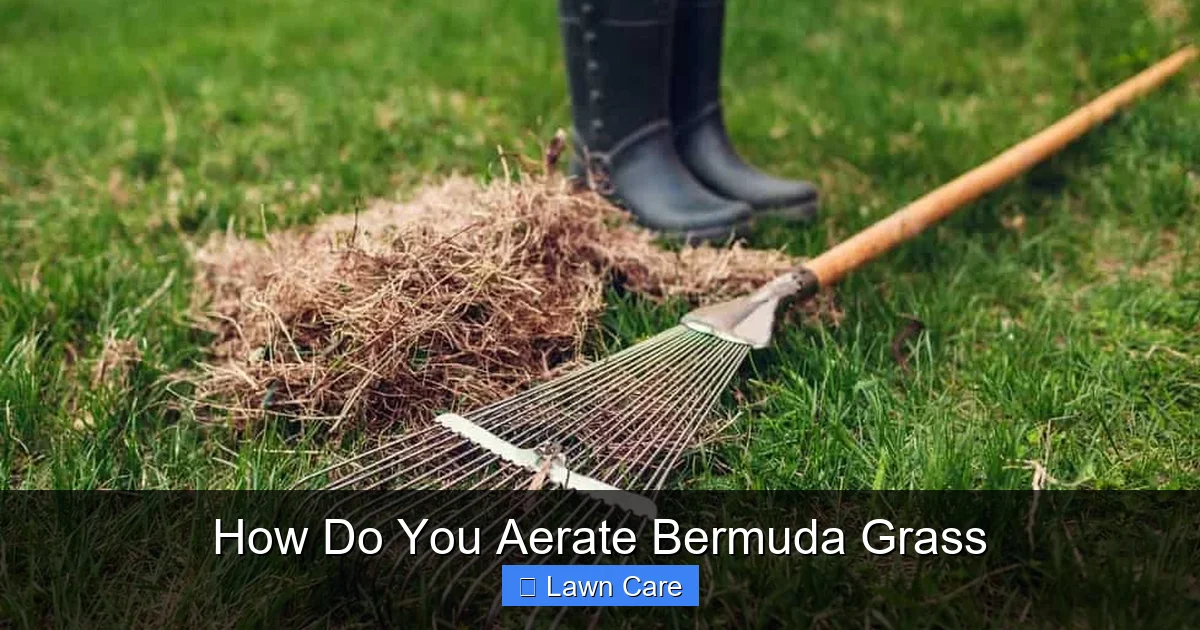
Bermuda grass is known for its rapid growth and its tendency to produce a thick layer of organic material – dead grass blades, stems, and roots – between the green grass and the soil. This is called thatch. A thin layer of thatch can actually be beneficial, acting as a natural mulch, retaining moisture, and moderating soil temperature. However, when this layer becomes too thick (more than half an inch), it starts to cause problems. A thick thatch layer acts like a barrier, preventing water, air, and nutrients from reaching the soil and roots. It can also become a breeding ground for pests and diseases. While dethatching is a separate process, aeration helps to break down this thatch layer naturally by allowing better air and moisture circulation.
When is the Best Time to Aerate Bermuda Grass?
Visual guide about How Do You Aerate Bermuda Grass
Image source: obsessedlawn.com
Timing is everything when it comes to lawn care, and aerating Bermuda grass is no exception. Doing it at the right time ensures your grass can recover quickly and benefit most from the process.
Active Growing Season is Key
Bermuda grass is a warm-season grass. This means it thrives and grows most vigorously during the warmer months. The ideal window for aerating Bermuda grass is during its peak active growing season. For most regions, this falls between **late spring and early summer**. Think from late May through July. During this period, the grass is actively growing, and the soil temperatures are warm enough to encourage rapid recovery.
Why Not Other Times?
* Early Spring: Bermuda grass is just starting to wake up from dormancy. Aerating too early can stress the grass before it has fully recovered and begun its active growth. It can also leave the soil vulnerable to weeds.
* Late Summer/Fall: As temperatures begin to cool and Bermuda grass starts preparing for dormancy, aerating can hinder its ability to store energy for the winter. The grass won’t have enough time to recover fully before the cold weather sets in.
* Winter: Bermuda grass is dormant in the winter, so aeration would be ineffective and could even damage the dormant roots.
Signs Your Lawn Needs Aeration
Beyond the calendar, your lawn might be sending you signals that it’s time to aerate:
* **Water pooling on the surface:** If water doesn’t soak into the ground quickly after rain or watering, it’s a sign of compaction.
* **Grass looks dull or stressed:** Especially during hot weather, stressed grass can indicate root problems due to compaction.
* **Footprints linger:** If you walk across your lawn and your footprints remain for a long time, the soil is likely compacted.
* **A visible thatch layer:** If you can see a thick, spongy layer of brown material on your lawn, it’s a good indicator it’s time for aeration (and potentially dethatching).
Choosing the Right Aeration Tool

Visual guide about How Do You Aerate Bermuda Grass
Image source: obsessedlawn.com
There are a few different types of aerators you can use, each with its own pros and cons. For Bermuda grass, especially if you’re dealing with significant compaction, a core aerator is generally the best choice.
Core Aerators (Plug Aerators)
Core aerators are the gold standard for effective aeration. They work by punching out small plugs or cores of soil from the lawn. These plugs are then left on the surface to break down naturally, returning nutrients to the soil.
* **How they work:** These machines have hollow tines that dig into the soil and extract a core of soil and thatch.
* **Benefits:** They provide the most significant relief from compaction by actually removing soil. The holes created allow for maximum penetration of air, water, and nutrients. They are also excellent for helping to break down thatch.
* **Types:**
* **Manual Core Aerator:** These are operated by hand and foot. They’re great for smaller lawns but can be quite a workout for larger areas.
* **Self-Propelled or Tow-Behind Core Aerator:** These are powered machines that can be rented or purchased. They are much more efficient for medium to large lawns.
Spike Aerators
Spike aerators work by driving spikes into the ground, essentially poking holes.
* **How they work:** They have solid tines that penetrate the soil, creating narrow channels.
* **Benefits:** They are generally less disruptive and easier to use than core aerators. They can help with very light compaction and improve surface water infiltration.
* **Drawbacks:** They don’t remove soil, so the benefits are less profound than with core aeration. In some cases, if the soil is very wet, spike aerators can actually worsen compaction by pressing the soil together around the spike. For a Bermuda grass lawn, which can benefit greatly from deep root penetration, spike aerators are usually not the primary recommendation.
For Bermuda grass, especially if you’re aiming for a thick, healthy lawn, investing in or renting a core aerator will give you the best results.
The Aeration Process: Step-by-Step

Visual guide about How Do You Aerate Bermuda Grass
Image source: obsessedlawn.com
Once you’ve chosen your tool and the timing is right, it’s time to get to work. Here’s a breakdown of how to aerate your Bermuda grass lawn effectively.
Step 1: Prepare the Lawn
Before you even think about touching the aerator, there are a couple of crucial preparation steps.
* **Mow the Grass:** Mow your Bermuda grass to your usual cutting height a day or two before aerating. This helps remove excess top growth and makes it easier for the aerator to penetrate the soil. However, don’t scalp it unless you are performing a specific dethatching/scalping process, which is typically done at a different time of year.
* **Water the Lawn:** This is a big one! Water your lawn thoroughly about 24-48 hours before aerating. The soil should be moist, but not waterlogged. Moist soil is much easier for aerators to penetrate, and it will prevent the machine from getting stuck or causing more damage. Dry, hard soil is tough to penetrate and can damage your aerator.
Step 2: Operating the Aerator
The way you operate the aerator will depend on the type you are using.
* **Core Aerator:**
* Start at one edge of your lawn and work your way across in straight lines.
* Overlap each pass slightly to ensure even coverage.
* For a manual aerator, push down firmly on the handle to drive the tines into the soil. Follow the manufacturer’s instructions for optimal technique.
* For a powered aerator, follow the machine’s operating guide. Typically, you’ll drive it in straight lines, and the machine will extract cores as it moves.
* Aim for an aeration depth of about 2-4 inches.
* The spacing between the holes should be roughly 2-3 inches apart.
* **Spike Aerator:**
* Follow similar patterns to a core aerator, ensuring you overlap passes.
* The key is to make sure the spikes are penetrating the soil effectively.
Step 3: Clean Up (or Don’t!)
With a core aerator, you’ll have plenty of soil cores on your lawn. Don’t rush to rake them all up!
* **Leave the Cores:** These soil plugs are beneficial. As they dry out, they will break apart, and the soil and thatch within them will decompose and return nutrients to your lawn. You can lightly drag a rake over them to help them break up faster if you wish, but it’s not essential.
* **Remove Large Debris:** If there are any large rocks or debris brought up by the aerator, it’s a good idea to remove them to prevent tripping hazards.
Post-Aeration Care for Your Bermuda Grass
Aeration isn’t a set-it-and-forget-it task. Proper aftercare will maximize the benefits and help your Bermuda grass bounce back stronger than ever.
Fertilizing After Aeration
This is the perfect time to fertilize! Because the soil is now more open, nutrients can penetrate deeper and reach the roots more effectively.
* **Timing:** Apply a balanced, slow-release fertilizer about a week after aerating. This gives the grass a little time to recover from the initial stress.
* **Type of Fertilizer:** Look for a fertilizer with a good balance of nitrogen, phosphorus, and potassium (N-P-K). For Bermuda grass, a formulation like 10-10-10 or something similar is usually appropriate. Consider a fertilizer that also contains micronutrients like iron, which can help promote that deep green color.
For more detailed advice on feeding your lawn, check out our guide on how to make Bermuda grass thicker and greener.
Watering Post-Aeration
Watering is crucial for recovery and nutrient uptake.
* **Initial Watering:** Water your lawn thoroughly immediately after fertilizing. This helps to wash the fertilizer into the soil and activate it.
* **Regular Watering:** Continue with your regular watering schedule. Aeration actually improves water penetration, so you might find your lawn is able to absorb water more efficiently. Ensure you’re watering deeply and less frequently to encourage deep root growth, which is a hallmark of healthy Bermuda grass. For summer watering, it’s important to know how often you should water Bermuda grass in summer.
Dealing with Weeds
Aeration can temporarily disturb the soil surface, which might give opportunistic weeds a chance to sprout.
* **Prevention:** By fertilizing and watering properly, you’ll encourage your Bermuda grass to grow thicker and outcompete weeds.
* **Control:** If you notice weeds popping up, address them promptly. If you’re dealing with crabgrass, there are specific strategies to consider. You can learn more about how to kill crabgrass in Bermuda grass by visiting our dedicated guide.
Overseeding (Optional)
In some cases, if you have thin areas or bare patches, you might consider overseeding after aeration. However, Bermuda grass is typically seeded or plugged in the spring. If you’re aerating in the summer, it’s generally too late to successfully overseed with Bermuda grass seed. However, if you’re looking to fill in bare spots, consider using Bermuda grass plugs or sod. For help with bare patches, see our guide on how to fix bare patches in Bermuda grass.
How Often Should You Aerate Bermuda Grass?
The frequency of aeration depends on several factors, but for most healthy Bermuda grass lawns, an annual aeration is sufficient.
General Recommendation: Once a Year
For a well-maintained Bermuda grass lawn, aerating once a year during its active growing season (late spring/early summer) is usually enough to prevent severe soil compaction and maintain optimal health.
When to Aerate More Often
* **Heavy Foot Traffic:** If your lawn experiences a lot of foot traffic, whether from kids, pets, or frequent gatherings, the soil will compact more quickly. You might need to aerate twice a year (e.g., late spring and mid-summer).
* **Clay Soil:** Lawns with heavy clay soil are naturally more prone to compaction than those with sandy soil. You might find that annual aeration is a must.
* **New Lawns or Recently Scalped Lawns:** Lawns that have recently been established or undergone aggressive treatments like scalping (which you might do when you scalp Bermuda grass) may benefit from more frequent aeration in their early stages.
* **Visible Signs of Compaction:** If you consistently see water pooling, experience slow drainage, or your grass looks perpetually stressed despite proper care, it’s a sign your soil is too compacted, and more frequent aeration might be necessary.
Monitoring Your Lawn
The best approach is to monitor your lawn. Get a soil probe or a simple screwdriver and try to push it into the ground. If it goes in easily, your soil is likely fine. If you struggle to push it in even a few inches, it’s a strong indicator of compaction and time to aerate.
Common Mistakes to Avoid When Aerating Bermuda Grass
Even with the best intentions, some common mistakes can hinder the effectiveness of your aeration efforts or even damage your lawn.
Mistake 1: Aerating at the Wrong Time
As we’ve discussed, timing is paramount. Aerating when Bermuda grass is dormant or just emerging from dormancy can stress the plant and delay recovery. Always aim for the peak growing season.
Mistake 2: Aerating Dry, Hard Soil
Trying to aerate bone-dry soil is a recipe for frustration. It’s incredibly difficult for the aerator to penetrate, and you risk damaging the equipment. Always ensure the soil is adequately moist before you start.
Mistake 3: Not Overlapping Passes
When aerating, it’s easy to get in a hurry. However, not overlapping your passes means you’ll miss entire sections of your lawn, leaving them un-aerated and potentially still compacted. Aim for a slight overlap on each pass to ensure consistent coverage.
Mistake 4: Raking Up All the Core Plugs Immediately
While it might look messy, those soil cores are beneficial. They break down over time, adding nutrients and organic matter back into your soil. Resist the urge to clean them up too quickly; let nature do its work.
Mistake 5: Expecting Instant Miracles
Aeration is a process that improves your lawn’s health over time. While you’ll likely see improvements in water absorption and greener growth soon after, the full benefits of deeper root development and improved soil structure will become more apparent over weeks and months. Be patient!
By avoiding these common pitfalls, you can ensure your aeration efforts are productive and contribute to a healthier, more resilient Bermuda grass lawn.
Conclusion
Aerate Bermuda grass? Absolutely! It’s one of the most beneficial practices you can undertake for the long-term health and vitality of your lawn. By understanding the importance of combating soil compaction and managing thatch, choosing the right time and tools, and following through with proper aftercare, you’re setting your Bermuda grass up for success.
Remember, a well-aerated lawn is a stronger lawn – better equipped to handle heat, drought, and disease, all while looking its absolute best. So, grab your core aerator, mark your calendar for late spring or early summer, and give your Bermuda grass the gift of breathing room. Your lawn will thank you with lush, green growth for seasons to come.
Frequently Asked Questions
How do I know if my Bermuda grass needs aeration?
Signs your Bermuda grass might need aeration include water pooling on the surface after rain, footprints that linger for a long time, a dull appearance even with proper watering, and a generally weak or stressed look, especially during hot weather.
Can aerating my Bermuda grass help with thatch?
Yes, core aeration is particularly effective at helping to manage thatch. By removing cores of soil and thatch, it allows for better air and moisture circulation, which aids in the natural decomposition of the thatch layer.
What kind of fertilizer should I use after aerating Bermuda grass?
After aerating, it’s best to use a balanced, slow-release fertilizer. A formulation like 10-10-10 is often recommended, and one that includes micronutrients like iron can help promote a vibrant green color.
Should I water my Bermuda grass immediately after aerating?
While you don’t need to water immediately after the aeration itself (unless the soil is extremely dry), you should water thoroughly after applying fertilizer, which is typically done about a week post-aeration. This helps the fertilizer penetrate the soil.
Can I aerate my Bermuda grass and dethatch it at the same time?
While both processes are beneficial, it’s generally recommended to do them at separate times or with caution. Dethatching can be more aggressive. If you have a very thick thatch layer, you might consider dethatching in late spring or early summer before aerating, but always allow your lawn to recover between intensive treatments.
How long does it take to see results after aerating Bermuda grass?
You might notice improved water absorption and potentially greener growth within a week or two. However, the more significant benefits, such as deeper root development and improved soil structure, become evident over several weeks to a few months as the grass fully recovers and strengthens.