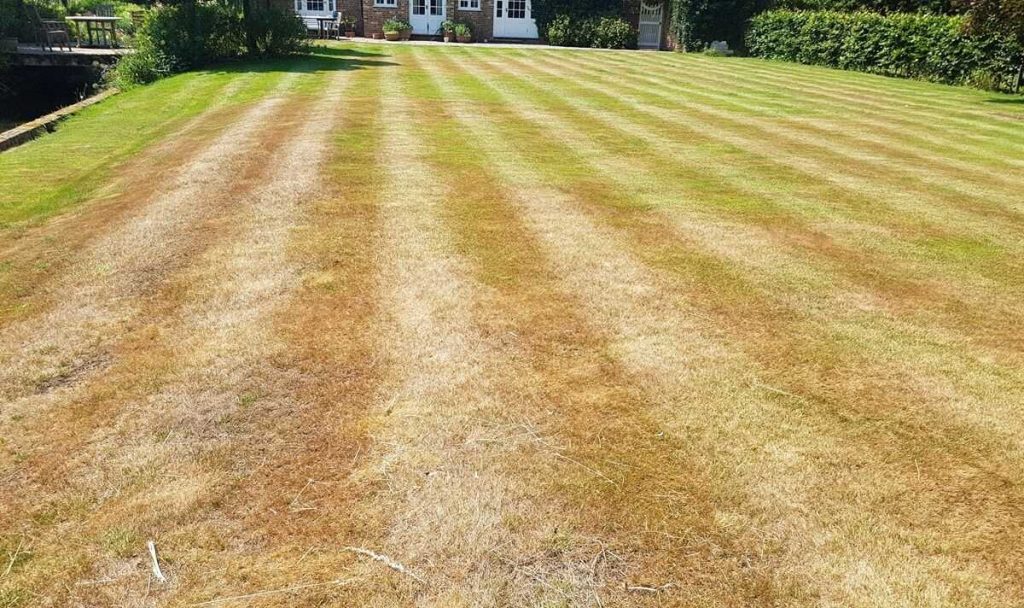
To keep your lawn lush and green during dry spells, watering deeply and infrequently is key. Additionally, choosing drought-tolerant grass varieties and improving soil health can significantly boost your lawn’s resilience. Mulching and reducing foot traffic help conserve moisture, ensuring your yard stays vibrant even in tough conditions.
Maintaining a lawn in dry conditions requires a combination of smart watering practices, soil management, and selecting the right grass. By adopting these strategies, you can enjoy a healthy, attractive lawn despite the lack of rainfall. With a little extra effort, your yard can thrive and stay inviting, even during periods of drought.
Keeping your lawn lush in dry weather might seem challenging, but with the right approach, it’s entirely achievable. As temperatures rise and rainfall becomes scarce, many homeowners worry about maintaining that perfect green space. The secret lies in understanding your lawn’s needs, adjusting your watering habits, and taking proactive steps to improve soil retention. From choosing hardy grass varieties to applying efficient watering techniques, you’ll learn how to keep your yard looking its best without wasting precious water. This guide will show you simple yet effective ways to adapt your lawn care routine to dry conditions, ensuring your outdoor space remains a beautiful, relaxing oasis all year round.

How do I maintain a lawn in dry conditions
Understanding Your Lawn and Its Needs
Maintaining a lawn during dry spells starts with knowing your grass type. Some grasses, like Bermuda and buffalo grass, are more drought-tolerant, while others need more water. Identifying your grass helps you choose the best care strategies.
Knowing your soil is equally important. Sandy soils drain quickly and need different watering approaches than clay soils, which hold moisture longer. Conduct a simple soil test to understand its drainage and nutrient levels.
Recognizing the signs of drought stress can help you act promptly. Wilting grass, footprints staying visible, and a bluish tint are common indicators that your lawn needs attention. Early detection prevents permanent damage.
Adjusting Watering Habits for Drought Conditions
Proper watering is essential during dry periods. Water deeply but infrequently to encourage deep root growth. Aim for about one inch of water per week, including rainfall, to keep grass healthy.
Water early in the morning to reduce evaporation and allow grass to dry before evening. Use a rain gauge or small container to measure your watering sessions, ensuring you don’t over- or under-water.
Consider installing a drip irrigation system or soaker hoses for efficient watering. These tools deliver water directly to the roots, minimizing waste and ensuring moisture reaches where it’s needed most.
Implementing Mowing Strategies to Reduce Stress
Adjusting your mowing habits can significantly help your lawn withstand dry conditions. Keep the grass slightly taller, around 3 to 3.5 inches, to shade the soil and retain moisture.
Regular mowing prevents the grass from becoming too long, which can suffocate roots and increase water loss. Use sharp blades to make clean cuts, reducing stress on the grass.
Never remove more than one-third of the grass height at a time. Sudden changes can shock the plants, making them more vulnerable during drought.
Enhancing Soil and Grass Health
Healthy soil supports drought-resistant lawns. Aerate your lawn to loosen compacted soil, allowing better water penetration. Use a spike aerator annually or as needed.
Adding organic compost improves soil structure and water retention. Apply a thin layer over your lawn in early spring or fall for best results.
Choose drought-tolerant grass seed or overseed existing lawn to introduce hardier varieties. These grasses require less water and are better suited to dry conditions.
Applying Mulch and Ground Cover Techniques
Mulching around your lawn helps conserve moisture. Use organic mulch such as shredded leaves or bark to cover bare spots and planting areas.
Mulch reduces evaporation from the soil surface and keeps roots cooler. Avoid piling mulch against grass stems to prevent rot and disease.
For flower beds or borders near your lawn, plant ground covers that withstand drought. These plants will help retain soil moisture and prevent erosion.
Using Lawn Supplements and Drought-Resistant Fertilizers
Applying the right nutrients boosts your lawn’s resilience. Use slow-release fertilizers that provide steady feeding without encouraging excessive growth.
Avoid over-fertilizing during droughts, as this can stress grass further. Focus on balanced fertilization that promotes strong roots and healthy growth.
Supplements such as seaweed extracts or compost teas can improve drought tolerance by strengthening grass defenses against stress.
Creating Shade and Windbreaks
Providing shade in strategic areas reduces water loss by lowering temperature and evaporation. Plant trees or install shade sails over vulnerable spots.
Windbreaks from shrubs or fences protect your lawn from drying winds that speed up moisture loss. Position them carefully to maximize protection without blocking sunlight.
Shade and wind protection are especially useful for sensitive grass types or newly seeded lawns that need extra care.
Controlling Weeds and Pests That Worsen Drought Stress
Weeds compete with grass for limited water resources. Regularly inspect your lawn and remove weeds manually or with selective herbicides.
Pests can weaken stressed grass, making it more susceptible to drought damage. Use integrated pest management practices to keep pests under control without harming beneficial insects.
A healthy, pest-free lawn uses water more efficiently, improving drought resilience.
Additional Tips for Maintaining a Healthy Lawn in Dry Conditions
Avoid walking on or mowing a damp lawn during drought to prevent compacting soil and damaging roots. Save foot traffic for cooler parts of the day.
If patches die back, overseed with drought-tolerant varieties to fill in bare spots. Keep soil moist until new grass establishes.
Monitor weather forecasts and adapt your watering schedule accordingly. During prolonged dry spells, increase watering frequency slightly, but always avoid overwatering.
Related Topics for Better Lawn Care
- Choosing drought-tolerant grass varieties
- Best fertilizers for dry conditions
- How to aerate your lawn effectively
- Using rain barrels to collect water for your lawn
- Creating a drought-resistant landscape design
Maintaining a healthy lawn in dry conditions involves a combination of smart watering, soil management, mowing adjustments, and plant choices. Staying proactive and understanding your lawn’s specific needs can help keep it lush and green even during periods of limited rainfall. Use these strategies to protect your yard and enjoy a vibrant, resilient landscape year-round.
How to FIX an UGLY Lawn with RESULTS – Step by Step for Beginners EASY
Frequently Asked Questions
What are some effective watering strategies for a dry lawn?
To keep your lawn healthy during dry periods, water deeply and infrequently. Aim to give your lawn about an inch of water each week, including rainfall. Water early in the morning to minimize evaporation and ensure the grass receives adequate hydration. Use a soaker hose or sprinkler to distribute water evenly across the surface, focusing on the root zone rather than just the surface. Avoid watering during the hottest part of the day to reduce waste and fungal growth.
How can I improve soil moisture retention in dry conditions?
Improve soil moisture retention by amending your soil with organic matter such as compost or peat moss. These materials help trap moisture and enhance soil structure. Aerate your lawn regularly to reduce compaction, allowing water to penetrate deeper. Mulching around grass to retain ground moisture also proves beneficial. Additionally, avoid over-fertilizing, as excess nutrients can dry out the soil and stress the grass.
What mowing practices can help maintain a healthy lawn in dry weather?
Adjust your mowing height to keep the grass slightly taller, around 3 to 4 inches. Taller grass shades the soil, reduces evaporation, and encourages deeper root growth. Mow with sharp blades to prevent tearing the grass, which can weaken it and make it more vulnerable to drought. Leave clippings on the lawn to return nutrients to the soil, which helps the grass stay resilient during dry spells.
Are there particular grass types suited for dry conditions?
Yes, selecting drought-tolerant grass varieties can significantly improve lawn resilience. Warm-season grasses like Bermuda, Zoysia, and Buffalo thrive in hot, dry environments due to their deep root systems. Cool-season grasses such as Fescue and Kentucky Bluegrass can also perform well if maintained properly, but they typically require more water. Choosing the right grass based on your climate will help your lawn stay healthy with less watering.
What practical measures can reduce water loss on a dry lawn?
Applying mulch or organic covers around the grass helps retain soil moisture and keep roots cool. Create windbreaks, such as shrubs or fences, to reduce evaporation caused by wind. Limit foot traffic on your lawn during dry periods to prevent stress and damage to the grass. Additionally, set your sprinkler system to run during cooler parts of the day and ensure it covers all areas evenly to prevent dry patches.
Final Thoughts
Maintaining a lawn in dry conditions requires strategic watering and regular mowing. Water deeply but infrequently to encourage deep root growth. Use drought-tolerant grass varieties that thrive with less water.
Apply mulch around your grass to retain moisture and reduce evaporation. Avoid cutting the grass too short, as longer blades shade the roots and help conserve moisture.
How do I maintain a lawn in dry conditions? Focus on these practices to keep your lawn healthy and green even in drought. Proper care ensures your yard remains vibrant despite the challenging weather.