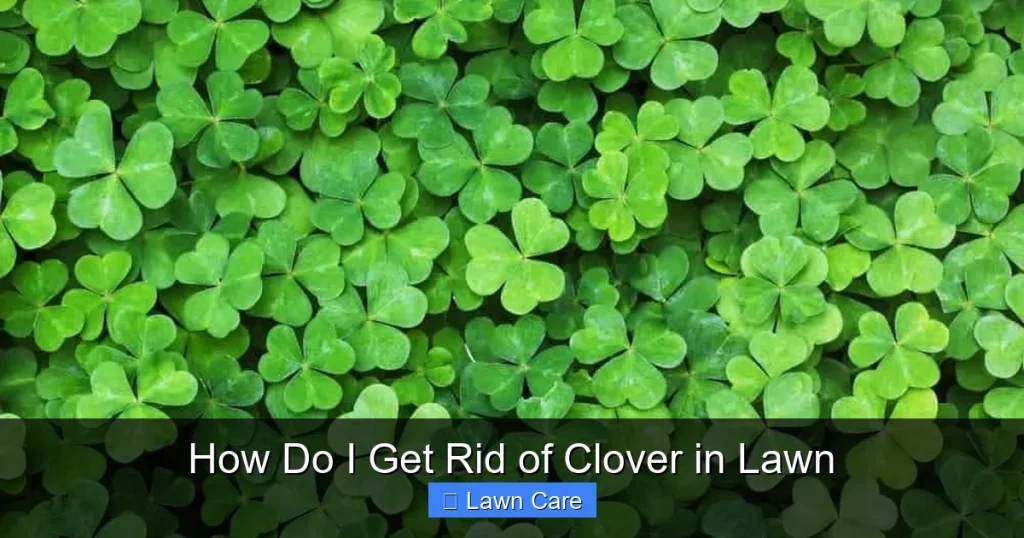
Clover may look harmless, but it can quickly take over your lawn if left unchecked. This guide walks you through proven steps to identify, treat, and prevent clover using targeted strategies like proper mowing, fertilization, and organic or chemical treatments. With consistent care, you’ll reclaim a lush, weed-free yard.
Key Takeaways
- Identify clover early: Clover has three small leaves, white or pink flowers, and spreads via stolons. Early detection makes removal easier.
- Improve lawn health: A thick, well-fertilized lawn crowds out clover. Focus on proper mowing height, watering, and soil pH.
- Use selective herbicides: Products containing 2,4-D or MCPP target broadleaf weeds like clover without harming grass.
- Try natural remedies: Vinegar, corn gluten meal, or boiling water can suppress clover in smaller areas—ideal for organic lawns.
- Prevent regrowth: Overseed bare spots, maintain consistent mowing, and aerate annually to stop clover from returning.
- Avoid overwatering: Clover thrives in moist, low-nitrogen soils. Adjust your irrigation and fertilization habits accordingly.
- Patience is key: Results may take weeks or months. Stick to your plan and monitor progress regularly.
How Do I Get Rid Of Clover In Lawn: A Complete Step-by-Step Guide
You’ve noticed tiny white flowers popping up across your lawn, and soon after, little green dots with three leaves each begin sprouting everywhere. Chances are, you’re dealing with clover. While not harmful to humans or pets, clover can quickly spread and weaken your grass by competing for nutrients, water, and sunlight. The good news? Getting rid of clover doesn’t require harsh chemicals or expensive services. With the right approach, you can eliminate it and restore a healthy, dense lawn that resists weeds.
In this guide, you’ll learn exactly how to get rid of clover in your lawn using simple, effective methods. Whether you prefer organic solutions or are open to selective herbicides, we’ll walk you through everything from identification to long-term prevention. By the end, you’ll have a strategy tailored to your yard’s needs—and a clover-free lawn that looks its best all season long.
What Is Clover, and Why Does It Grow in Lawns?
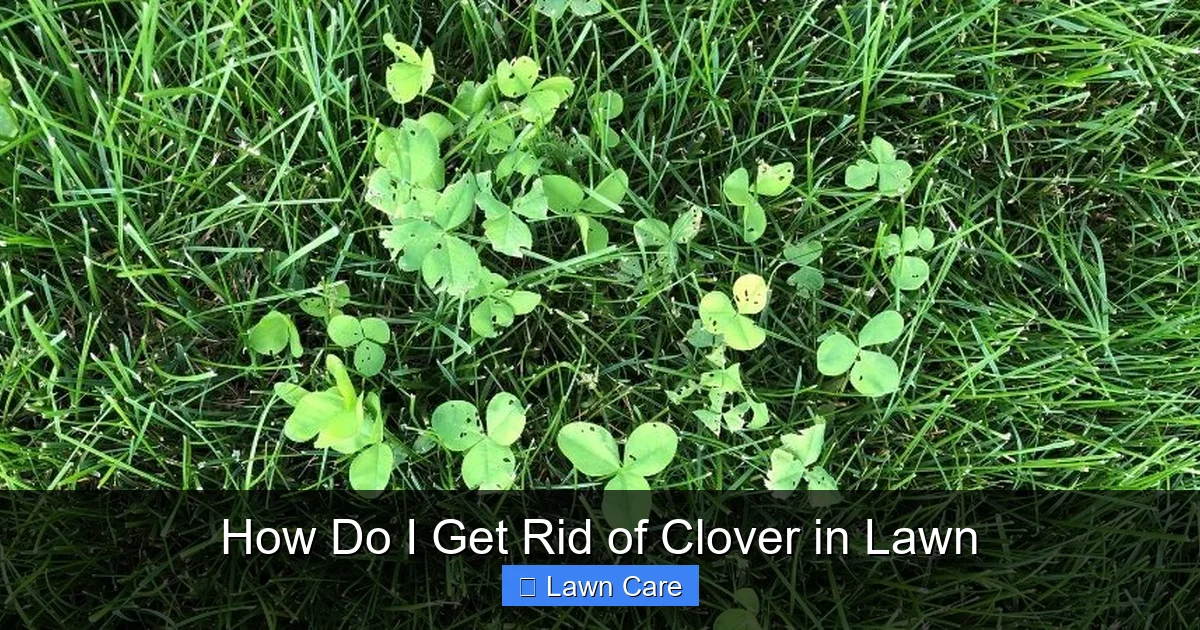
Clover belongs to the Trifolium genus and includes common species like white clover (Trifolium repens) and red clover (Trifolium pratense). Unlike most weeds, clover actually improves soil quality by fixing nitrogen—a rare trait among plants. That’s why it often appears in nutrient-poor soils or areas where grass struggles to thrive.
Visual guide about How Do I Get Rid of Clover in Lawn
Image source: milorganite.com
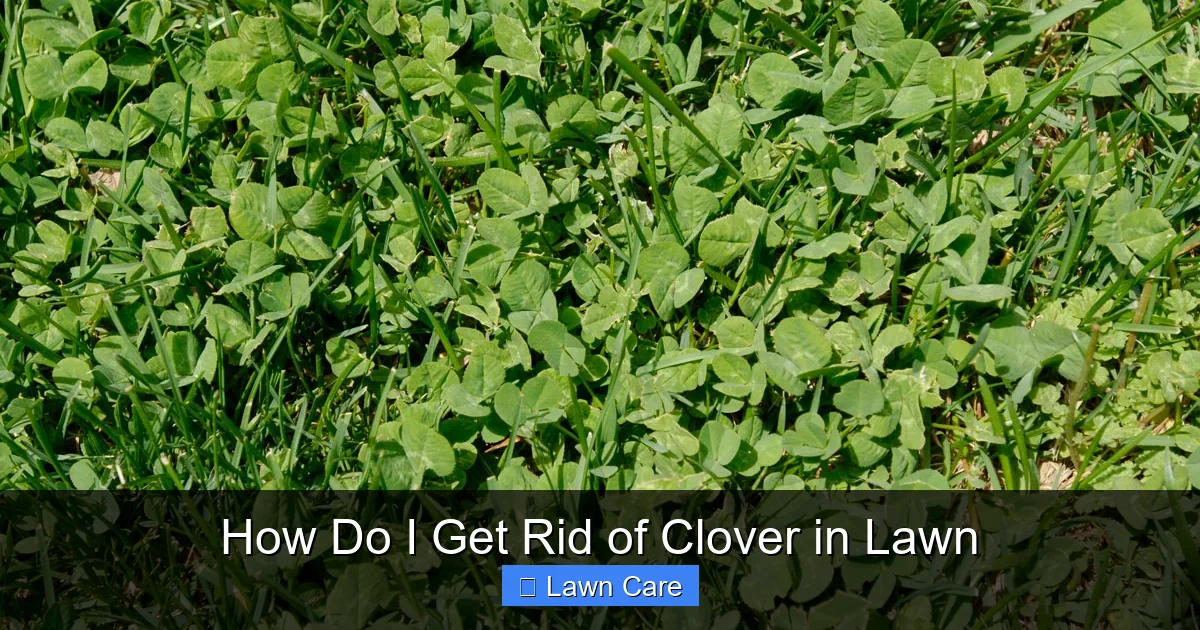
But here’s the catch: when clover takes over, it signals that your lawn isn’t as healthy as it should be. Factors like compacted soil, poor drainage, inconsistent mowing, or excessive shade create ideal conditions for clover to flourish. Once established, it spreads through creeping stems called stolons, forming dense mats that make mowing difficult and reduce turf density.
So while clover isn’t toxic or destructive like crabgrass, it’s still considered a weed because it competes with desired grass species. Plus, its white flower clusters can give your lawn a patchy, unkempt appearance—especially in spring and early summer.
How to Identify Clover in Your Lawn
Before you start treatment, confirm what you’re dealing with. Clover is easy to spot once you know what to look for:
Visual guide about How Do I Get Rid of Clover in Lawn
Image source: lawnholic.com
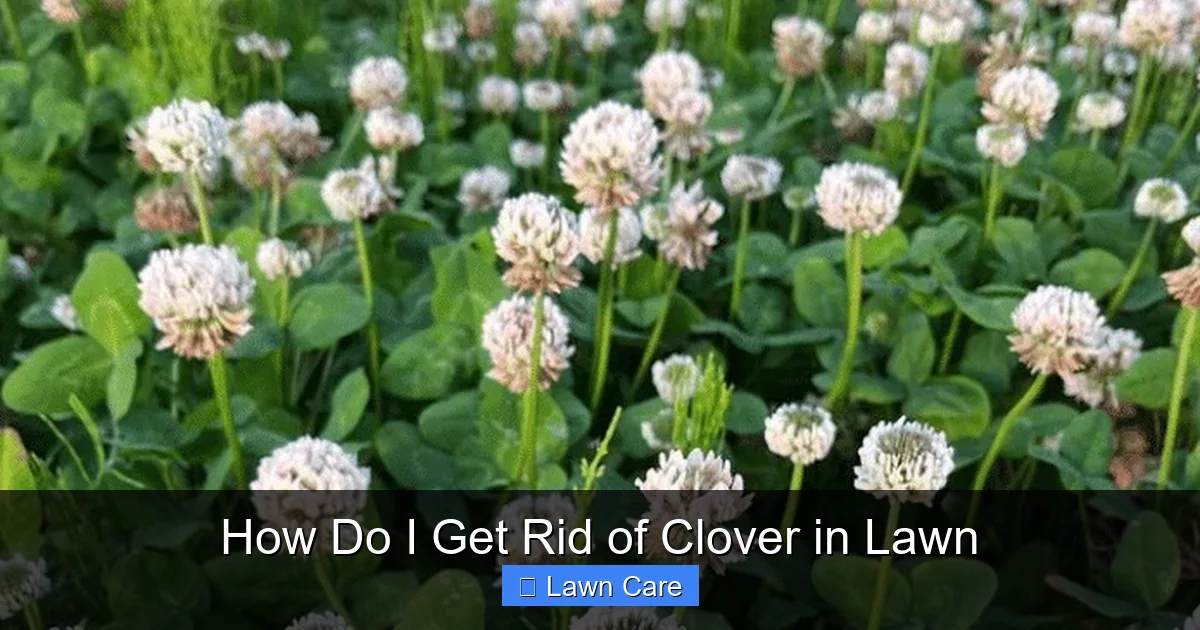
- Leaves: Three small, round-toothed leaflets per stem, usually arranged in a trifoliate pattern.
- Flowers: Small white or pink ball-shaped clusters that bloom in spring and early summer.
- Stolons: Creeping runners that root at nodes, allowing clover to spread across the surface.
- Growth Habit: Grows close to the ground, often forming mats in sunny or partially shaded areas.
If you see these characteristics, especially combined with thin grass coverage, it’s likely white clover. Red clover is less common in lawns and tends to grow taller with red spikes instead of white blooms.
Step 1: Improve Overall Lawn Health
The foundation of clover control starts with a strong, thick lawn. Healthy grass naturally outcompetes weeds, including clover. Follow these steps to boost turf vigor:
Visual guide about How Do I Get Rid of Clover in Lawn
Image source: naturalawn.com
Test Your Soil
Have your soil tested to determine pH levels and nutrient content. Most grasses prefer a slightly acidic to neutral range (6.0–7.0). If your soil is too alkaline or lacks essential nutrients, clover will exploit those weaknesses.
Fertilize Appropriately
Apply a balanced fertilizer (such as 10-10-10 or 20-5-10) in early spring and fall. Avoid high-nitrogen formulas late in the season, as they encourage soft growth vulnerable to disease. For lawns already showing clover, switch to a slow-release nitrogen source to promote deep roots without fueling weed growth.
Mow Correctly
Set your mower blade higher—between 2.5 and 3 inches. Taller grass shades the soil, making it harder for clover seeds to germinate. Never cut more than one-third of the blade length at once. Frequent scalping stresses grass and opens space for weeds.
Water Deeply but Infrequently
Water your lawn deeply once or twice a week rather than daily light sprinklings. This encourages deep root development in grass while discouraging shallow-rooted weeds like clover. Early morning is the best time to water to reduce fungal issues.
Aerate Annually
Compacted soil prevents air, water, and nutrients from reaching grass roots—creating perfect conditions for clover. Use a core aerator once a year, ideally in spring or fall, to loosen soil and improve drainage.
Step 2: Manual Removal for Small Infestations
If clover covers less than 10% of your lawn, manual removal may be enough. This method works best before flowering, when the plant hasn’t yet set seed.
Hand-Pull or Dethatch
Wear gloves and pull clover clumps by hand, ensuring you remove the entire root system. For larger patches, use a dethatching rake to lift out stolons and thatch buildup. Dispose of pulled plants in compost bins labeled “do not use on garden beds” to prevent accidental spreading.
Spot-Treat with Boiling Water
Boil a pot of water and carefully pour it directly onto clover patches. This kills above-ground growth but won’t affect established roots. Repeat every few days until dead. Note: This method only works on small, isolated areas—not full yards.
Step 3: Use Selective Herbicides
For moderate to heavy clover infestations, selective herbicides offer fast, reliable results. These products kill broadleaf weeds without damaging grass when used correctly.
Choose the Right Product
Look for formulations containing active ingredients like 2,4-D, MCPA, or dicamba. Brands such as Trimec or Weed-B-Gon Max are popular choices. Always check label instructions for application rates, timing, and safety precautions.
Apply During Optimal Conditions
Spray on a calm, dry day when rain isn’t expected within 24 hours. Apply in early morning or evening to avoid leaf burn from sun reflection. Avoid spraying during drought stress or extreme heat.
Follow Up with Overseeding
After herbicide application, overseed bare or thin spots to fill gaps left by dying clover. Use a grass seed mix suited to your climate and existing turf type. Lightly rake seed into soil and keep moist until germination.
Step 4: Try Natural and Organic Solutions
Many homeowners prefer eco-friendly options. While slower than chemicals, natural methods can effectively manage clover over time.
Vinegar Spray
Mix white vinegar (20% acetic acid), dish soap, and water (e.g., 1 gallon vinegar + 2 tablespoons soap + 2 cups water). Spray directly on clover leaves. Reapply weekly for 3–4 weeks. Warning: Overuse can harm grass and soil microbes.
Corn Gluten Meal
This organic pre-emergent herbicide prevents clover seeds from germinating. Apply in early spring or fall at 20 pounds per 1,000 square feet. It also acts as a natural fertilizer, adding nitrogen to the soil.
Hydrogen Peroxide Solution
Blend equal parts 3% hydrogen peroxide and water. Add a few drops of dish soap to help it stick to leaves. Spray on clover; it breaks down cell walls and releases oxygen. Safe for pets and children once dry.
Step 5: Prevent Future Clover Growth
Elimination is only half the battle. Long-term success depends on preventing clover from returning.
Maintain Proper Mowing Height
Keep grass at least 3 inches tall year-round. Taller blades shade the soil, reducing clover seed germination by up to 90%.
Limit Nitrogen Fertilizers
Excess nitrogen promotes fast, weak growth that’s easily overtaken by weeds. Use fertilizers with higher potassium and phosphorus ratios in summer to strengthen roots.
Reduce Foot Traffic and Compaction
Install stepping stones or pathways in high-traffic zones. Rotate furniture on patios and avoid parking cars on lawn edges.
Monitor Soil Moisture
Clover thrives in consistently damp soils. Ensure proper drainage and adjust irrigation schedules. Consider installing soaker hoses instead of overhead sprinklers to minimize surface moisture.
Troubleshooting Common Issues
Even with the best efforts, you might face setbacks. Here’s how to address them:
- Clover keeps coming back: You may be using non-selective herbicides (like glyphosate) that kill grass along with weeds. Switch to selective formulas.
- Grass dies after treatment: Overwatering, improper mowing, or chemical burn can stress turf. Allow 2–3 weeks recovery before reseeding.
- Lawn turns yellow after vinegar spray: Too much vinegar or repeated applications caused phytotoxicity. Flush soil with clean water and apply compost tea to revive microbes.
- Herbicide doesn’t work: Weather conditions (rain, wind), incorrect dosage, or resistant strains could be factors. Read labels carefully and retest soil pH.
Conclusion
Getting rid of clover in your lawn requires patience, consistency, and a focus on overall turf health. Start by improving mowing, watering, and fertilization practices—then choose a removal method based on infestation size and your comfort level with chemicals. Whether you go the organic route with vinegar and corn gluten or use targeted herbicides, combining immediate action with preventive care ensures lasting results.
Remember, a healthy lawn isn’t just about appearance—it’s about creating an environment where desirable grass dominates and weeds like clover have no place to take hold. With these steps, you’ll enjoy a thicker, greener yard that looks professional all season long.
Related Articles
Want to tackle other common lawn problems? Explore our guides on eliminating moss, managing brown spots, or controlling mushrooms. Each article offers detailed, science-backed advice to keep your yard thriving.