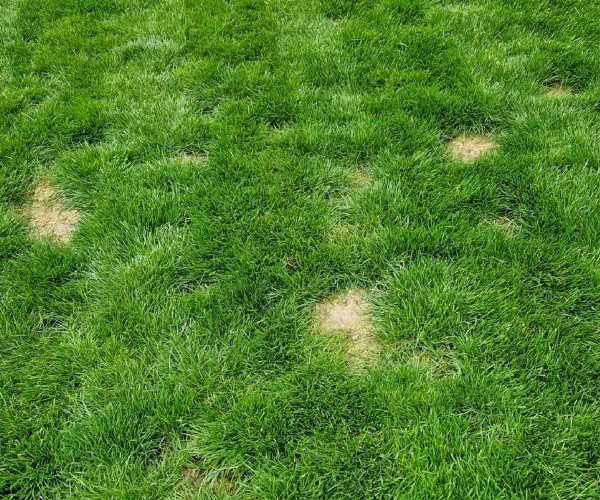
To fix brown spots on your lawn quickly, identify the cause—be it pests, disease, or drought—and treat accordingly with proper watering, fertilization, or pest control. Reseed or patch the affected areas to promote healthy growth, and maintain regular lawn care practices to prevent future damage.
Brown spots on your lush green lawn can be quite frustrating, especially when you’re eager to enjoy a beautiful outdoor space. These unsightly patches can appear suddenly, leaving homeowners puzzled about the culprit and the fix. Whether caused by drought, lawn disease, pests, or pet damage, addressing the problem promptly is key to restoring your lawn’s vibrant color. In this article, we’ll explore practical steps you can take to diagnose and treat brown spots effectively, ensuring your grass stays healthy and green all season long. With a little care and attention, you’ll have your lawn looking picture-perfect in no time.

How do I fix the brown spots on my lawn?
Understanding the Causes of Brown Spots
Before fixing brown spots, it’s important to know what caused them. Brown patches can appear due to many reasons such as drought, overwatering, pests, or disease. Identifying the root cause helps determine the best solution.
For example, if your lawn feels dry and crunchy, drought stress might be to blame. If patches are irregular and fuzzy, fungal disease could be the culprit. Pests like grubs can also create brown patches by damaging roots.
Assessing Your Lawn’s Condition
Start by inspecting your lawn closely. Check for signs of pests, disease, and soil issues. Use a screwdriver or similar tool to gently probe the brown spots. If the soil is hard and compacted, your lawn might need aeration.
Look for visible pests or insect activity. Reseed or patch areas that are especially thin or bare. Proper assessment helps you choose the right fix and avoid wasting time on ineffective treatments.
Addressing Watering Problems
Proper Watering Techniques
Too much or too little water can cause brown spots. Lawns generally need about 1 inch of water weekly, including rainfall. Water deeply but infrequently to encourage deep root growth.
Early morning watering is best because it allows moisture to soak in and reduces disease risk. Avoid watering late in the evening, which can promote fungal growth.
Adjusting Your Watering Schedule
If spots appear during dry weather, increase watering frequency. Conversely, if the lawn is overly saturated, cut back on watering. Use a rain gauge or a small container to measure how much water your lawn receives.
Fertilizing to Promote Healthy Growth
Selecting the Right Fertilizer
Use a balanced fertilizer rich in nitrogen to encourage green, healthy grass. Fertilize in spring and fall when grass is actively growing. Avoid over-fertilizing, which can cause additional stress or runoff.
Application Tips
Apply fertilizer evenly using a spreader. Water the lawn afterward to help nutrients penetrate the soil. Regular feeding helps repair damaged areas and prevents future brown patches.
Managing and Preventing Pests
Common Pests Causing Brown Spots
Grubs, chinch bugs, and billbugs often target lawns and create brown patches. Check for signs like chewed grass or insects on blades.
Controlling Pests
- Apply appropriate insecticides to eliminate pests.
- Maintain healthy turf to resist pest invasions.
- Use nematodes or organic options for eco-friendly control.
Treating Lawn Diseases
Common Fungal Diseases
Fungal infections like brown patch, dollar spot, or rust can cause discolored patches. They are often more prevalent during humid or wet conditions.
Disease Management Strategies
- Apply fungicides specifically designed for the disease.
- Remove and dispose of affected grass to prevent spread.
- Improve air circulation by aerating and mowing properly.
Soil Testing and Amendment
Why Test Your Soil?
A soil test reveals pH levels and nutrient deficiencies, guiding you to amend the soil accordingly. Improper pH can hinder nutrient absorption and cause patches.
How to Test and Improve Soil
- Use a home testing kit or send samples to a lab.
- Adjust pH with lime (to raise pH) or sulfur (to lower pH).
- Add organic matter like compost to improve soil structure.
Aeration and Overseeding
Benefits of Aerating
Aeration alleviates soil compaction, allowing water, air, and nutrients to reach roots. This promotes healthy growth and reduces brown patches caused by poor soil conditions.
Overseeding to Repair Bare Patches
Overseeding fills in thin or bare areas with new grass seed. Choose a grass type suitable for your climate and soil. Keep the soil moist and avoid heavy foot traffic until new grass is established.
Proper Mowing Practices
How Mowing Affects Lawn Health
Cutting grass at the correct height helps reduce stress and prevents brown spots. Avoid cutting more than one-third of the grass height at a time.
Maintaining a Sharp Mower Blade
A dull blade tears grass blades instead of cutting cleanly, making it more susceptible to disease. Regularly sharpen your mower blade for a neat cut and healthier turf.
Seasonal Lawn Care Tips
Adjust your lawn care routine by season. In spring, focus on aeration and fertilization. Summer might require more frequent watering, while fall is ideal for overseeding and preparing for winter.
Using Organic and Natural Remedies
Organic options are safer for pets, children, and the environment. Use compost tea, neem oil, or homemade remedies to boost lawn health without harmful chemicals.
Monitoring and Ongoing Maintenance
Keep an eye on your lawn throughout the year. Regular inspections help catch issues early, saving you time and effort. Consistent maintenance prevents future brown patches and keeps your lawn lush and green.
Fixing brown spots involves a combination of proper watering, fertilizing, pest management, disease control, and soil care. The key is to identify the cause, act promptly, and maintain healthy lawn practices. With patience and effort, your lawn can recover and stay vibrant throughout the seasons.
How to Get Rid of Brown Patch (4 Easy Steps)
Frequently Asked Questions
What are the common causes of brown patches in a lawn?
Brown patches often result from issues like drought stress, pests, fungal infections, or nutrient deficiencies. Overwatering or underwatering can damage grass roots, making them susceptible to disease. Insects such as grubs can feed on the roots, causing the grass to turn brown. Fungal diseases, especially in humid conditions, create spots that turn brown and die. Additionally, a lack of essential nutrients like nitrogen can weaken grass, leading to discolored patches.
How can I improve soil health to prevent brown spots from recurring?
Start by testing your soil to identify any nutrient deficiencies or pH imbalances. Based on the results, amend your soil with appropriate fertilizers or organic matter. Aerate your lawn regularly to improve air circulation and water penetration, which promotes healthy root growth. Ensuring proper watering habits and avoiding compacted soil conditions will also help maintain strong, resilient grass that resists brown spots over time.
What steps should I take to treat existing brown patches effectively?
Begin by removing any dead or dying grass in the affected areas. Aerate the soil to improve airflow and water absorption. Apply a targeted fungicide if a fungal infection is suspected, following the product instructions carefully. Adjust your watering schedule to keep the soil consistently moist but not waterlogged. Consider overseeding the patches with healthy grass seed to promote quick recovery and uniform growth.
Are certain grass types more prone to developing brown spots?
Yes, some grass varieties are more susceptible to brown patches than others. Cool-season grasses like Kentucky bluegrass and fescues tend to develop brown spots during hot, dry conditions or when infected with specific fungi. Warm-season grasses such as Bermuda and St. Augustine are generally more drought-tolerant but can also suffer from browning due to pests or disease. Choosing a grass type suited to your climate can reduce the likelihood of brown patches.
Can proper watering techniques help prevent brown spots in my lawn?
Absolutely. Water your lawn deeply and infrequently to encourage strong root development. Typically, lawns need about 1 to 1.5 inches of water weekly, including rainfall. Water early in the morning to allow grass to dry before evening, reducing disease risk. Avoid frequent, shallow watering, which can weaken roots and promote fungal growth. Proper watering practices play a key role in maintaining a healthy, green lawn free from brown patches.
Final Thoughts
To fix the brown spots on your lawn, first identify the cause, such as pests, drought, or over-fertilizing. Address the issue directly by watering deeply, aerating the soil, or applying appropriate treatments. Regular lawn care and proper watering help maintain healthy grass.
How do I fix the brown spots on my lawn? By consistently caring for your lawn and addressing underlying issues promptly, you restore its vibrancy. Proper maintenance and timely action are key to a lush, green yard.