To effectively control pests in your lawn, start by identifying the specific pests troubling your grass and then apply targeted solutions like natural predators, proper lawn care, and appropriate pesticides when necessary. Regular maintenance and early intervention are key to keeping pests at bay.
In short, controlling pests in your lawn involves identifying the pests, maintaining healthy grass through proper watering and mowing, and using eco-friendly treatments to manage infestations. Consistent monitoring and timely action are essential to keep your lawn lush and pest-free.
A pest-infested lawn can quickly turn a beautiful yard into a nightmare, but worry no more! Managing pests doesn’t mean you need harsh chemicals or expensive treatments. With a few simple strategies, you can restore your lawn’s health and beauty. The key is to understand which pests are causing trouble, so you can target them effectively. Keeping your grass healthy through proper watering, mowing, and fertilization makes it less attractive to pests and more resilient against invasions. Additionally, natural methods like introducing beneficial insects or using organic solutions can control pests without harming the environment. Regular inspection and early detection are your best allies in preventing a full-blown pest invasion, so stay vigilant and act promptly to enjoy a vibrant, pest-free lawn.

How can I control pests in my lawn
Understanding Common Lawn Pests
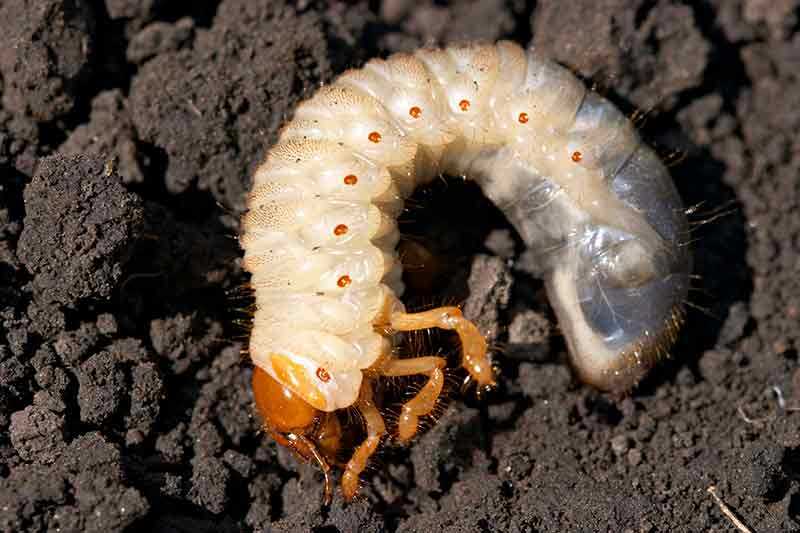
Knowing the pests that target your lawn is the first step to controlling them effectively. Common pests include grubs, chinch bugs, armyworms, and sod webworms. Each pest causes different damage, so identifying them helps choose the right control method.
Identifying Pest Damage
Look for signs like irregular patches of dead grass, chewed leaves, or visible insects. Grubs cause brown patches by eating roots, while chinch bugs suck plant juices. Early detection is crucial for effective pest management.
Natural Pest Control Methods
Using natural strategies can reduce pests without harming the environment. These include introducing beneficial insects, such as ladybugs and nematodes, that prey on pests. Composting and maintaining healthy soil also make your lawn less attractive to pests.
Encouraging Beneficial Insects
Planting native flowers and herbs like daisies and lavender attracts beneficial insects. They help keep pest populations in check naturally. Avoid pesticides that kill helpful insects and disrupt the ecosystem.
Healthy Lawn Maintenance
A vigorous, well-maintained lawn resists pests better. Proper watering, mowing, and fertilizing keep grass strong and less vulnerable to pest attacks. Aerate your soil to improve root health and reduce pest hiding spots.
Mechanical and Cultural Pest Control
Simple physical methods can often control or prevent pest infestations. These methods are safe and environmentally friendly.
Manual Removal
Regularly inspect your lawn for pests or their larvae. Remove visible pests by hand or with a garden rake. This low-cost method works well for small infestations.
Proper Lawn Care Practices
Avoid overwatering, which can attract pests. Keep your lawn at the recommended height for your grass type to prevent pests from establishing. Remove debris, thatch, and weeds to reduce pest hiding places.
Chemical Pest Control Options
When natural methods don’t work, targeted use of pesticides might be necessary. Always choose products specifically designed for lawn pests, and follow the label instructions carefully.
Choosing the Right Pesticide
Select pesticides labeled for your specific pest problem. Consider environmentally friendly options to minimize environmental impact. Consult with a professional if unsure about the best product for your lawn.
Applying Pesticides Safely
Apply pesticides during calm weather to prevent drift. Wear protective gear such as gloves and masks. Apply at the recommended time of day, typically early morning or late evening.
Integrated Pest Management (IPM)
Combine various strategies to manage pests effectively while reducing chemical use. IPM includes monitoring, cultural practices, biological controls, and chemical treatments when necessary.
Monitoring Pest Populations
Regularly inspect your lawn for signs of pests and damage. Use traps or sticky cards for pests like chinch bugs or beetles. Early detection helps take timely action.
Using a Step-by-Step IPM Approach
Start with cultural controls, like proper mowing and watering. Introduce beneficial insects if needed. Use pesticides only as a last resort, and always target specific pests to reduce harm to beneficial organisms.
Preventative Measures for a Pest-Free Lawn
Prevention is often the best approach to pest control. Implement these practices to keep pests at bay.
Choosing the Right Grass and Soil
Select resilient grass varieties suited for your climate. Improve soil quality with organic matter to promote healthy root systems and reduce pest attraction.
Proper Lawn Maintenance Schedule
Establish a routine of regular mowing, watering, and fertilizing. Avoid over-irrigation, which can create ideal conditions for pests.
Seasonal Lawn Care Tips
Prepare your lawn for different seasons by aerating in spring and applying compost in fall. Remove fallen leaves promptly to prevent pests from overwintering.
Additional Tips for Pest Control
Consider these extra steps to enhance your pest management efforts.
- Maintain appropriate mowing height to promote healthy turf growth.
- Use organic fertilizers to strengthen the lawn naturally.
- Practice crop rotation in your lawn, avoiding planting the same grass type repeatedly.
Understanding Pest Lifecycles
Knowing how pests grow and multiply helps you time control methods better. Most pests have stages—egg, larva, adult—and targeting specific stages can increase effectiveness.
Timing Pest Control
Apply treatments when pests are most vulnerable, often during larval or egg stages. Monitoring helps identify the best times for intervention.
Environmental Considerations in Pest Control
Choose eco-friendly methods to protect beneficial insects, water quality, and overall ecosystem health. Avoid excessive use of chemicals that can harm wildlife or pollute water sources.
Eco-Friendly Pest Management Practices
Use biological controls first, such as nematodes or fungi. Incorporate organic fertilizers and avoid broad-spectrum pesticides.
Seeking Professional Assistance
When pest problems persist or become severe, consider hiring a lawn care expert. Professionals can accurately diagnose issues and recommend effective solutions.
Benefits of Professional Lawn Pest Control
Experts have access to advanced tools and pesticides not available to homeowners. They can develop customized treatment plans for your lawn’s specific needs.
Incorporating these strategies can help you maintain a healthy, pest-free lawn. Regular inspection, proper maintenance, and environmentally friendly controls work together to keep your yard lush and vibrant.
How I manage bugs in the lawn with DIY pest control
Frequently Asked Questions
What are natural methods to reduce pest populations in my lawn?
Using natural methods involves encouraging beneficial insects like ladybugs and lacewings that feed on pests. You can also plant pest-repellent plants such as marigolds and neem to deter unwanted insects. Maintaining a healthy lawn through proper watering, mowing, and aeration strengthens grass resilience, making it less attractive to pests. Organic pest control products, like neem oil or insecticidal soaps, offer environmentally friendly options to manage specific pests effectively.
How often should I inspect my lawn for pest activity?
Inspect your lawn weekly, especially during peak pest activity seasons in spring and summer. Look for signs such as chewed leaves, discolored patches, or visible insects. Regular inspections help you catch infestations early and apply targeted treatments before pests cause significant damage. Be thorough in checking all areas, including edges and under foliage, to ensure no pests go unnoticed.
What lawn maintenance practices can help prevent pest infestations?
Consistently maintaining your lawn includes mowing at the correct height, watering deeply but infrequently, and aerating the soil to improve airflow. Removing debris, fallen leaves, and thatch reduces hiding spots for pests. Fertilizing appropriately promotes strong, healthy grass capable of resisting pests and diseases. These practices create an environment less conducive to pest activity and help your lawn stay resilient.
Final Thoughts
Controlling pests in your lawn involves regular inspection and prompt action. Use targeted treatments like organic or chemical solutions to address specific pests effectively. Proper lawn maintenance, such as watering, mowing, and fertilizing, keeps your grass healthy and less attractive to pests. By staying vigilant and applying preventive measures, you can maintain a lush, pest-free lawn. How can I control pests in my lawn? Consistent care and timely intervention are key to preserving your outdoor space and avoiding long-term damage.