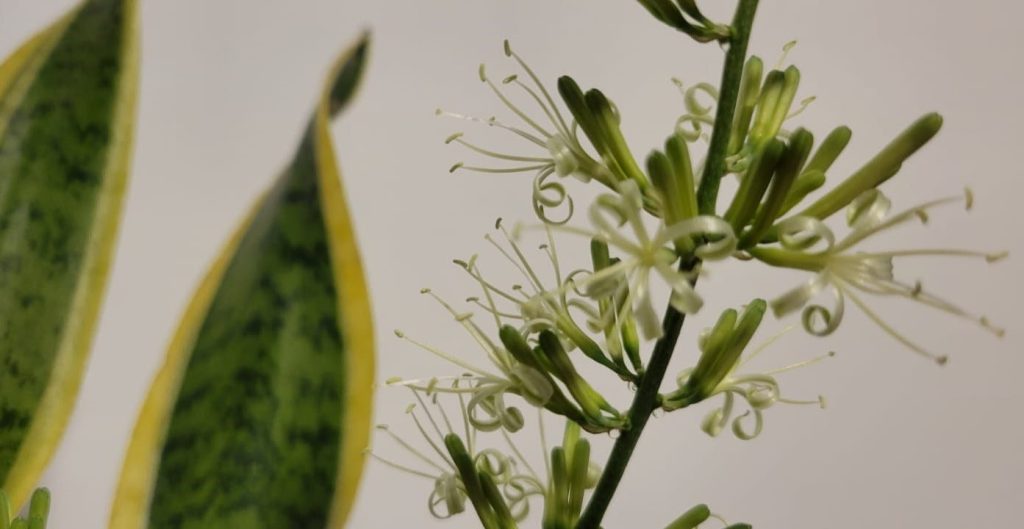
Yes, snake plants can produce flowers, although it’s rare. They typically bloom in the spring or summer.
Snake plants, also known as Sansevieria, are popular houseplants celebrated for their striking appearance and air-purifying qualities. While many plant enthusiasts adore their lush, upright leaves, they may not realize these resilient plants can bloom. Flowers appear as slender spikes with fragrant, tubular blooms, often white or yellow.
Although flowering is uncommon, it can be a delightful surprise for owners. Understanding the conditions that encourage blooming can enhance your gardening experience. By providing the right light, water, and care, you may witness this rare but beautiful spectacle in your own home. Discovering flowers on a snake plant can be a rewarding experience for any plant lover.

Credit: www.facebook.com
The Rarity Of Snake Plant Blooms
Seeing flowers on a snake plant is a rare treat. Most snake plants bloom only under the right conditions. Many plant lovers may never witness this event.
Factors Influencing Flowering
Several factors determine if your snake plant will bloom:
- Light: Snake plants prefer bright, indirect sunlight. Too little light can prevent blooming.
- Age: Mature plants have a better chance of flowering. Younger plants may not bloom.
- Watering: Proper watering is crucial. Overwatering or underwatering can stress the plant.
- Temperature: Snake plants thrive in warm conditions. Cold temperatures can hinder flowering.
- Soil Quality: Well-draining soil helps the roots. Poor soil affects the plant’s health.
Seasonal Blooming Patterns
Snake plants typically bloom in the spring or summer. However, the blooming period may vary.
Here’s a quick look at their blooming patterns:
| Season | Blooming Chances |
|---|---|
| Spring | High |
| Summer | Moderate |
| Fall | Low |
| Winter | Very Low |
Understanding these patterns helps you care for your snake plant better. With the right environment, you might just see those rare blooms.
Identifying Snake Plant Flowers
Snake plants, also known as Sansevieria, are popular houseplants. They rarely bloom indoors. If you see flowers, it’s a special moment. Identifying these flowers can be exciting for plant lovers.
Physical Characteristics
Snake plant flowers grow on tall spikes. These spikes can reach up to 3 feet high. The flowers are small and tubular, forming clusters.
- Spikes emerge from the center of the plant.
- Each spike can have several flowers.
- Flowers bloom at night and close during the day.
Flowers can last for several days. Their unique structure adds charm to the plant.
Color And Scent
Snake plant flowers are usually white or cream-colored. They can also have a greenish tint. The flowers are not just pretty; they also have a sweet scent.
- White flowers symbolize purity.
- Cream-colored flowers signify calmness.
- Sweet scent attracts nighttime pollinators.
The fragrance can fill the room, making the atmosphere pleasant. Enjoy the beauty and scent of these rare blooms.
Cultivation Secrets For Inducing Blooms
Many people wonder about flowers on a snake plant. These blooms are rare but possible. Cultivating a snake plant correctly can encourage these beautiful flowers. Here are some secrets to help you achieve that.
Optimal Growing Conditions
Creating the right environment is crucial for blooming. Snake plants thrive in specific conditions.
- Light: Bright, indirect sunlight is best.
- Temperature: Keep it between 60°F and 80°F.
- Humidity: Low humidity is ideal.
- Soil: Use well-draining potting mix.
- Water: Water sparingly; let soil dry out between watering.
Stress-inducing Techniques
Inducing stress can sometimes trigger blooming. Here are effective methods:
- Underwatering: Let the plant dry out slightly.
- Temperature Fluctuations: Expose the plant to cooler nights.
- Root Bound: Keep it in a smaller pot.
- Neglect: Reduce fertilization during the growing season.
Use these techniques carefully. Too much stress can harm your plant.
| Technique | Effect |
|---|---|
| Underwatering | Encourages flowering |
| Temperature Fluctuations | Promotes blooms |
| Root Bound | Stimulates growth |
| Neglect | Triggers stress |
Follow these secrets for a better chance of seeing flowers on your snake plant.
Snake Plants: More Than Just Foliage
Snake plants, also known as Sansevieria, offer more than beautiful leaves. They can surprise you with stunning flowers. These blooms are often overlooked. Their unique characteristics make them special.
Varieties Prone To Flowering
Not all snake plants flower. Some varieties are more likely to bloom. Here are a few:
| Variety | Flowering Frequency |
|---|---|
| Sansevieria trifasciata | Occasional |
| Sansevieria cylindrica | Common |
| Sansevieria laurentii | Rare |
These varieties showcase the beauty of snake plant flowers. They bloom in clusters, producing fragrant white or cream flowers.
Benefits Beyond Aesthetics
Snake plants offer many benefits. They improve indoor air quality. Here are some key advantages:
- Air Purification: They filter toxins from the air.
- Low Maintenance: Require minimal care and watering.
- Humidity Regulation: Help maintain humidity levels indoors.
- Allergy Relief: Reduce allergens in your home.
With all these benefits, snake plants are a great addition to any space. Their flowers are just a bonus to their already impressive traits.
Documenting The Blooming Process
Seeing flowers on a Snake Plant is rare. Many gardeners dream of this event. Documenting the blooming process can be exciting. It helps share experiences with others.
Photographic Evidence
Photos capture the beauty of blooming Snake Plants. They show details that words often miss. Here are some tips for taking great pictures:
- Use natural light for clarity.
- Focus on the flower’s details.
- Take multiple angles.
- Show the plant’s environment.
Consider creating a photo album. Document each stage of the bloom. This can inspire others to care for their plants.
Personal Accounts From Gardeners
Many gardeners share their experiences with blooming Snake Plants. Here are some favorite stories:
- Jane from California: Jane found blooms after five years. She was thrilled and took many photos.
- Mark from Texas: Mark noticed buds in spring. His excitement grew as they opened.
- Lisa from New York: Lisa’s plant surprised her with flowers. She documented the process daily.
These accounts encourage others. Sharing stories builds a community of plant lovers.

Credit: www.instagram.com
Caring For A Flowering Snake Plant
Caring for a flowering snake plant is simple and rewarding. These hardy plants can surprise you with beautiful blooms. With proper care, your snake plant can thrive and produce flowers.
Watering And Feeding
Watering and feeding are crucial for a flowering snake plant. Follow these tips for optimal growth:
| Task | Frequency | Notes |
|---|---|---|
| Watering | Every 2-3 weeks | Allow soil to dry out between waterings. |
| Fertilizing | Every 4-6 weeks (spring and summer) | Use a balanced houseplant fertilizer. |
Check the soil moisture before watering. Snake plants prefer dry conditions. Overwatering can lead to root rot.
- Use a pot with drainage holes.
- Choose a well-draining soil mix.
- Avoid feeding during fall and winter.
Post-bloom Maintenance
After your snake plant blooms, care shifts slightly. Follow these steps for post-bloom maintenance:
- Remove spent flowers gently.
- Reduce watering frequency.
- Continue light fertilization every 6-8 weeks.
Monitor the plant for new growth. Snake plants can rest after blooming. Patience is key during this time.
Ensure the plant receives indirect light. This helps it recover and prepare for future blooms. Enjoy the beauty of your flowering snake plant!
Myth Vs. Reality: Debunking Misconceptions
Many people believe that the snake plant never blooms. This idea can lead to confusion. Let’s explore the common myths surrounding flowers on a snake plant. We will also look at scientific explanations to clarify the facts.
Common Myths
- Myth 1: Snake plants can’t produce flowers.
- Myth 2: Flowers only appear in certain conditions.
- Myth 3: Flowering is a sign of poor plant health.
- Myth 4: All snake plants are the same.
These myths often mislead plant enthusiasts. Many think snake plants are purely decorative. In reality, they can surprise you with their blooms.
Scientific Explanations
The snake plant, or Sansevieria, has a unique flowering pattern. It typically blooms only under specific conditions. Here’s a quick overview:
| Condition | Effect on Flowering |
|---|---|
| Age | Older plants are more likely to bloom. |
| Light | Bright, indirect light encourages flowers. |
| Water | Proper watering supports healthy blooms. |
| Temperature | Warm temperatures can trigger flowering. |
Understanding these conditions helps clarify the reality. Flowering does not mean the plant is unhealthy. It shows that the plant is thriving.
So, yes! Snake plants can bloom. The flowers are often fragrant and beautiful. They usually grow in tall spikes above the leaves.
Incorporating Snake Plants Into Your Garden
Snake plants, also known as Sansevieria, add beauty to any garden. Their unique look brings a modern touch. These resilient plants thrive in various conditions. They require minimal care, making them perfect for beginners.
Design Ideas
Snake plants fit into many garden styles. Here are some design ideas:
- Container Gardens: Use decorative pots for a stylish look.
- Border Plants: Line pathways or garden beds with snake plants.
- Vertical Gardens: Create a living wall with multiple snake plants.
- Mixed Planters: Combine snake plants with colorful flowers.
Consider using different varieties. Varieties like ‘Laurentii’ and ‘Moonshine’ add contrast. Mix heights and colors for visual interest.
Companion Plants
Choosing the right companion plants enhances snake plants. Here are some great options:
| Companion Plant | Benefits |
|---|---|
| Aloe Vera | Shares similar care requirements. |
| ZZ Plant | Both are drought-tolerant. |
| Jade Plant | Adds a pop of color. |
| Succulents | Require similar light and water. |
Choose plants that thrive in similar conditions. This ensures a healthy garden. Keep colors and textures varied for a lively display.

Credit: www.reddit.com
Frequently Asked Questions
Can Snake Plants Really Produce Flowers?
Yes, snake plants can produce flowers, but it’s rare. They typically bloom under specific conditions, like maturity and optimal care. The flowers are fragrant and usually appear in late spring or summer. However, most indoor snake plants may never flower due to less than ideal conditions.
What Do Snake Plant Flowers Look Like?
Snake plant flowers are tubular and grow on tall spikes. They usually bloom in clusters and are white to pale yellow. The flowers are often fragrant, attracting nighttime pollinators. Their unique appearance can surprise many snake plant owners, as blooming is quite uncommon.
How Often Do Snake Plants Bloom?
Snake plants bloom infrequently, sometimes every few years. Factors like age, environment, and care influence blooming frequency. Providing adequate light, water, and nutrients can encourage flowering. However, it’s essential to enjoy the foliage, as it is the main attraction for most snake plant enthusiasts.
What Conditions Encourage Snake Plant Flowers?
To encourage flowering, ensure your snake plant is mature and healthy. Provide bright, indirect light and moderate watering. Fertilizing during the growing season can also help. Avoid overwatering, as it can hinder blooming. A stress-free environment is essential for flower production.
Conclusion
Seeing flowers on a snake plant is a rare and delightful experience. These unique blooms can signify a healthy plant and proper care. If you nurture your snake plant well, you may be rewarded with this special sight. Embrace the beauty and enjoy the journey of plant parenthood.
Happy gardening!