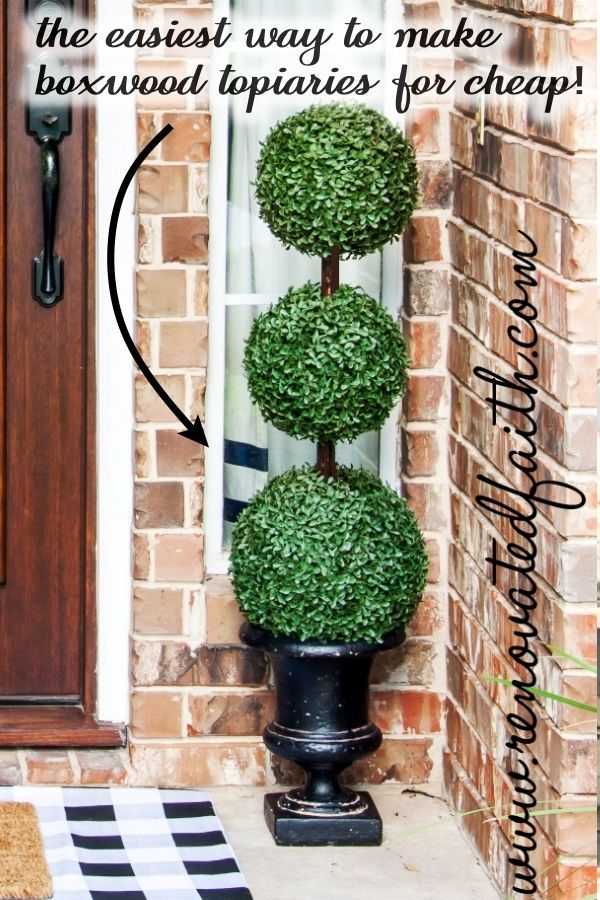
Topiary is a delightful way to bring some greenery into your garden, and it doesn’t have to be complicated! The easiest way to start is by choosing the right plants like boxwood or privet, which are great for shaping. You’ll want to gather some basic tools like pruning shears, wire frames, and moss. To create a topiary, simply trim your plants to your desired shape and maintain them regularly. Whether you want to craft a whimsical animal, a classic spiral, or a simple geometric shape, the key is patience and a little creativity. With just a bit of effort, you can transform your outdoor space into a unique and beautiful environment that showcases your artistic flair.
Creating stunning topiaries adds a touch of elegance to your garden and allows you to express your creativity. It involves trimming and shaping plants into artistic forms, and the choices are endless—from whimsical animals to sophisticated geometric shapes. Topiary is not just about aesthetics; it also promotes gardening skills and a deeper appreciation for nature. Whether you’re a seasoned gardener or a beginner, exploring the world of topiary can be a fulfilling and enjoyable experience. In this blog, we’ll guide you through various green ideas for making beautiful topiaries that can enhance your garden’s charm and personality. Let’s dig in!

Green Ideas Making A Topiary
Creating a topiary can be a fun and fulfilling garden project that allows you to express your creativity while bringing a touch of nature into your landscape. Topiary, the art of shaping plants into decorative forms, has been around for centuries. It’s a unique way to impress your friends and family with intricate designs that reflect your personal style.
In this article, we’ll explore various green ideas for making topiaries at home. From selecting the right plants to getting creative with shapes, you’ll find plenty of tips and tricks to make your topiary flourish.
Choosing the Right Plants for Topiary
When it comes to making a topiary, choosing the right plants is crucial. Here are some popular options that work well:
- Boxwood: This evergreen plant is a classic choice. Its dense foliage holds shape beautifully.
- Ligustrum: Ligustrum is fast-growing, making it excellent for quick results.
- Ivy: Ivy can be shaped into various forms, adding a touch of elegance.
- Yew: Another evergreen favorite, yew is versatile and can grow in various climates.
- Rosemary: For a fragrant twist, rosemary can be shaped into creative designs.
When selecting plants, consider your climate and the level of sunlight in your garden. Some plants thrive in full sun, while others prefer shade. Research which plants are best suited for your conditions to ensure your topiary remains healthy.
Planning Your Topiary Design
Designing your topiary is an exciting step. Think about what shapes or forms you would like to create. Common designs include:
- Animals: Shaping your plants into animal figures can be whimsical and fun.
- Geometric shapes: Simple shapes like spheres, cones, or cubes can add elegance.
- Letters and initials: Personalize your garden with letters or numbers that hold significance.
Draw out your designs on paper before you start trimming. This helps you visualize the final look and gives you a clear plan to follow.
Tools You’ll Need
Having the right tools is essential for creating a clean and precise topiary. Here’s a list of items you might need:
- Pruning shears: For detailed trimming and shaping.
- Garden scissors: Useful for fine-tuning your design.
- Topiary frames: Help maintain shape while the plant grows.
- Gloves: Protect your hands during the trimming process.
Investing in quality tools can make the job easier and result in a more polished final product.
How to Trim Your Topiary
Trimming your topiary requires patience and a steady hand. Start by following these steps:
1. **Begin with the outline:** Lightly trim the outer edges to create the basic shape.
2. **Work inward:** Gradually get closer to the center of the design for a polished look.
3. **Step back frequently:** Keep checking your progress from a distance to ensure symmetry.
4. **Trim little by little:** It’s easier to remove more if needed than to restore what you’ve cut off.
Regular maintenance is key to a successful topiary. Aim to trim your plants every few weeks during the growing season for the best results.
Watering and Feeding Your Topiary
Proper watering and feeding significantly impact the health of your topiary. Follow these guidelines to keep your plants nourished:
– **Water regularly:** Consistent moisture is essential, especially during dry spells. However, be careful not to overwater, as this can lead to root rot.
– **Use organic fertilizers:** Feed your plants with organic fertilizers every few months to encourage lush growth.
– **Mulch around the base:** Adding mulch helps retain moisture and regulate soil temperature.
A healthy plant will respond well to shaping and will flourish in its decorative form.
Seasonal Care for Your Topiary
Taking care of your topiary varies with the seasons. Here’s what to do:
Spring
– **Prune:** This is the best time for initial shaping as plants begin to grow.
– **Fertilize:** Provide fertilizers to promote robust growth.
Summer
– **Water:** Make sure your plants stay hydrated, especially during hot spells.
– **Trimming:** Regular trimming helps maintain shape and encourages new growth.
Fall
– **Prepare for winter:** Trim back any excess growth and prepare your plants for dormancy.
– **Cover:** Use burlap or protective cloth for delicate plants if frost is expected.
Winter
– **Minimal care:** Most topiaries require less attention during the winter months.
– **Check for pests:** Keep an eye out for any pests that might take refuge over the colder months.
By understanding seasonal care, you can ensure your topiary remains healthy year-round.
Incorporating Topiary into Your Landscape
Topiaries can add charm and personality to your garden. Here are some ideas for incorporating them into your landscape:
- Entryway accents: Use tall topiaries to frame your front door for a welcoming effect.
- Pathway decorations: Line walkways with smaller topiaries for a striking visual appeal.
- Garden focal points: Create a central display with a larger, more intricate topiary.
Consider how your topiaries will complement other plants in your garden. Mixing different shapes and sizes can create a dynamic and interesting landscape.
Unique Topiary Ideas
To spark your creativity, here are some unique topiary ideas that you might not have considered:
– **Herb topiary:** Shape herbs like basil or thyme into fun designs. They’ll smell great and can be used in the kitchen.
– **Seasonal decorations:** Change the shape of your topiary according to the season. For example, a snowman in winter or a heart shape for Valentine’s Day.
– **Vegetable shapes:** Carve your vegetable garden by creating topiary versions of squash or tomatoes.
These ideas can bring an unexpected twist to traditional topiary designs.
Challenges and Solutions in Topiary Making
Creating topiary can come with its challenges. Here are some common problems and solutions:
Pests
– **Problem:** Insects may target your topiary plants.
– **Solution:** Regularly check for pests and use organic pesticide solutions when necessary.
Diseases
– **Problem:** Fungal infections can harm your plants.
– **Solution:** Ensure proper air circulation and avoid overwatering to prevent mold growth.
Shape Maintenance
– **Problem:** Maintaining your desired shape can be tricky.
– **Solution:** Set a regular trimming schedule and stick to it for continual shape upkeep.
Being aware of these challenges and preparing solutions can help maintain a thriving topiary.
Creating topiaries is a rewarding hobby that combines art and nature. With the right plants, careful planning, and regular maintenance, you can shape your garden into a delightful display. Embrace your creativity and enjoy the process of bringing your topiary ideas to life. Whether for personal enjoyment or as a gift for friends, a well-crafted topiary can leave a lasting impression.
How to Create a Multi Ball Topiary
Frequently Asked Questions
What materials do I need to create a topiary?
To create a topiary, you will need some essential materials: a plant or shrub suitable for shaping, wire or twine to secure branches, scissors or pruning shears for trimming, and potentially a frame or support structure if you want a specific shape. Optional materials can include decorative elements like moss or colored stones to enhance the design.
How do I choose the right plant for topiary work?
Selecting the right plant is crucial for a successful topiary. Look for dense, evergreen plants such as boxwood, yew, or holly, as they hold their shape well. Consider plants that are easy to prune and can tolerate the shaping process. Ensure the plant is healthy with strong growth before starting your topiary project.
What techniques should I use for shaping my topiary?
Begin by outlining the desired shape with light trimming. Gradually remove excess foliage, working from the top down. Regularly step back to assess the shape and make adjustments as needed. Use sharp pruning shears to achieve clean cuts, and maintain the desired shape through consistent pruning throughout the growing season.
How often do I need to prune my topiary?
Regular pruning helps maintain the shape of your topiary. Depending on the plant type and growth rate, you may need to prune every few weeks during the growing season. In general, a good practice is to evaluate the topiary at least once a month and trim it to preserve its design and encourage healthy growth.
Can I create a topiary indoors?
Yes, you can create a topiary indoors using smaller plants that thrive in indoor conditions. Choose plants that require less sunlight and can tolerate indoor humidity levels. Ensure that the plant has adequate light, either from a window or grow lights, and maintain regular watering and pruning to keep the topiary healthy.
What are some creative design ideas for topiary?
Topiary offers endless design possibilities. You can create geometric shapes like spheres, cones, or cubes, or opt for fun animal shapes like rabbits or birds for a whimsical touch. Incorporate multiple plants for color contrast, or use seasonal decorations to change the appearance throughout the year.
Final Thoughts
Creating topiary involves a blend of creativity and care, showcasing the beauty of greenery in stunning forms. Whether you opt for animals, shapes, or abstract designs, each piece adds a unique touch to your garden.
Embracing ‘Green Ideas Making A Topiary’ allows you to personalize your outdoor space while promoting sustainability. By using native plants and eco-friendly practices, you contribute positively to the environment.
Incorporating topiary into your gardening routine not only enhances aesthetics but also encourages mindfulness in caring for nature. Dive into this delightful horticultural art and watch your garden thrive.