Standing in the meat aisle staring at two nearly identical packages of beef, wondering if the premium price for "grass-fed" or "organic" is actually worth it? You’re not alone. These labels are often used interchangeably in marketing, but they refer to fundamentally different farming standards, nutritional profiles, and environmental impacts. This guide cuts through the hype to give you clear, up-to-date (2026) guidance to pick the option that fits your health goals, values, and budget, no jargon required.
What Actually Defines Grass-Fed and Organic Beef?
Most consumers assume these terms are interchangeable, but they refer to separate, regulated (or unregulated) standards that often overlap but are not the same. Understanding the exact rules behind each label is the first step to avoiding greenwashing.
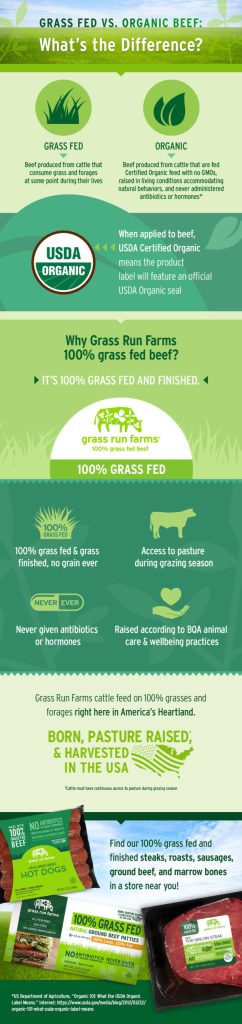
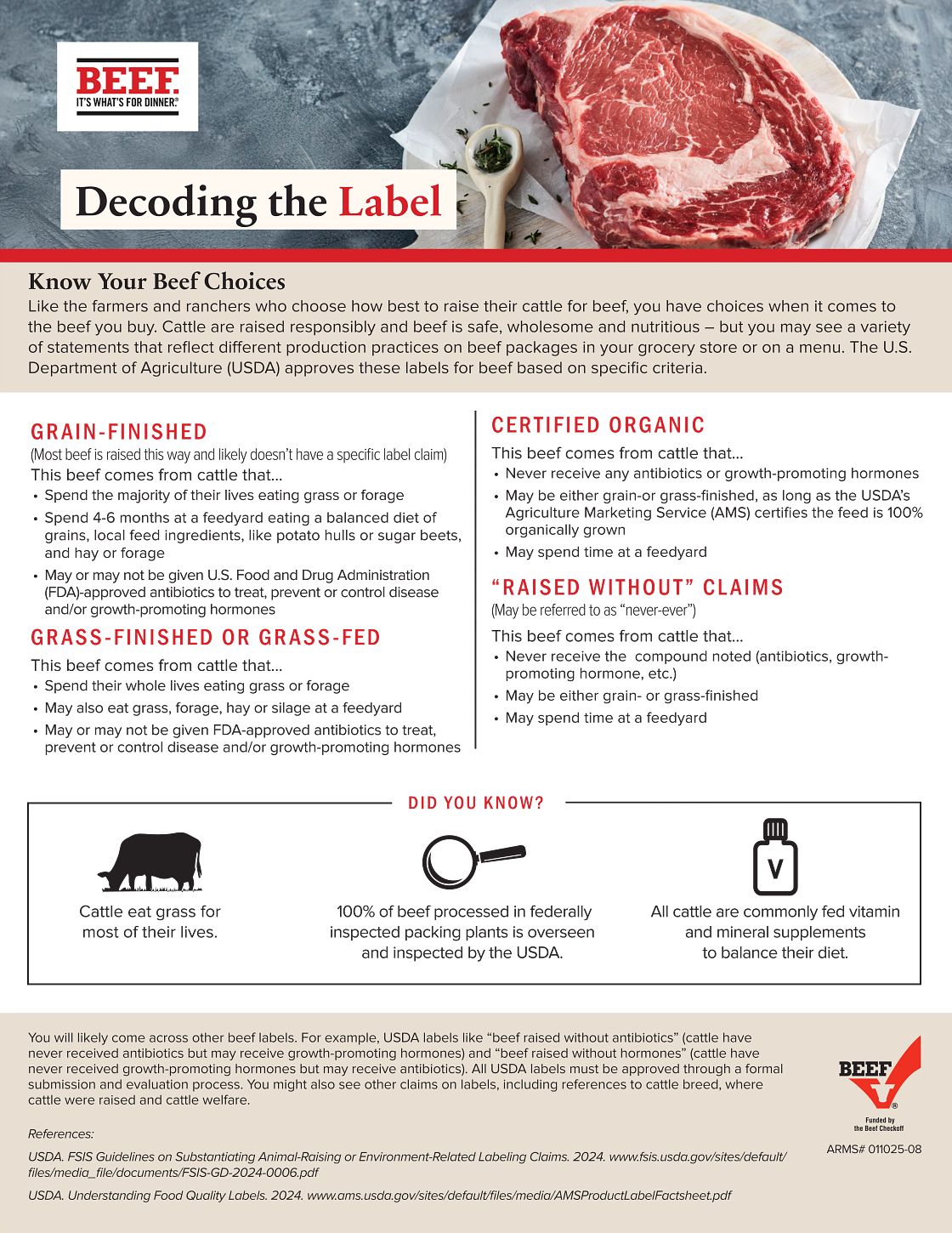
Defining Grass-Fed Beef
The term "grass-fed" refers exclusively to a cattle’s diet, but labeling rules have shifted in recent years. In 2023, the USDA withdrew its official, enforceable grass-fed marketing claim standard, meaning the unregulated "grass-fed" label on many packages offers no guaranteed proof of a 100% grass diet. For verifiable claims, look for third-party certifications like the American Grassfed Association (AGA) or USDA Process Verified Grass-Fed, which require:
- Cattle eat only grass and forage their entire lives, with no grain finishing
- No permanent confinement in feedlots
- No routine antibiotics or growth hormones
- Access to pasture year-round
Uncertified "grass-fed" or "grass-finished" labels may still include grain in the cattle’s diet or allow feedlot confinement, so always check for a certification seal before purchasing.
Defining USDA Organic Beef
Organic beef is strictly regulated by the USDA, with mandatory annual third-party inspections to maintain certification. To carry the official USDA organic seal, beef must come from cattle that:
- Eat 100% organic, pesticide-free feed for their entire lives (this feed can include grain, so not all organic beef is grass-fed)
- Are never given synthetic growth hormones or routine antibiotics (antibiotics are only allowed if an individual animal is sick, per organic rules)
- Have mandatory, regular access to pasture for grazing
- Are raised on land that has been free of synthetic fertilizers and pesticides for at least 3 years prior to certification
Unlike unregulated grass-fed labels, the USDA organic seal is a federally enforced guarantee that all these standards are met.
Head-to-Head Nutrition Comparison
Marketing claims often overstate the nutritional differences between these two beef types, but there are measurable, evidence-backed variations to note. Both are excellent sources of complete protein, heme iron, zinc, and vitamin B12, with nearly identical baseline nutrient content.
Fatty Acid and Micronutrient Differences
The primary nutritional difference stems from the cattle’s diet: grass-fed cattle eat forage their whole lives, while organic grain-finished cattle eat organic grain for a portion of their lives. This leads to small but meaningful gaps:
- Certified grass-fed beef contains 2–5x more omega-3 fatty acids (linked to reduced heart disease risk) than organic grain-finished beef, as omega-3s are abundant in grass and stored in the cattle’s fat.
- Grass-fed beef has 30–50% higher levels of fat-soluble vitamins like vitamin E and beta-carotene, which come from the grasses the cattle eat.
- Grass-fed beef is 10–15% lower in total fat and saturated fat than organic grain-finished beef, due to the lack of high-calorie grain in its diet.
| Nutrient | Certified Grass-Fed | USDA Organic (Grain-Finished) |
|---|---|---|
| Omega-3 fatty acids | 2–5x higher than organic | Baseline |
| Vitamin E | 30–50% higher | Baseline |
| Total fat | 10–15% lower | Baseline |
| Complete protein | ~27g per 100g serving | ~26g per 100g serving |
| Iron, zinc, B12 | Identical levels | Identical levels |
Protein and Saturated Fat Facts
Both beef types provide all nine essential amino acids needed for muscle repair, immune function, and tissue health, with no meaningful difference in protein quality. The small gap in saturated fat content is negligible for most people eating beef in moderation (1–2 3-ounce servings per week, per USDA dietary guidelines). For context, a 3-ounce serving of either beef type provides around 25 grams of protein, making it one of the most efficient protein sources available.
Environmental and Ethical Trade-Offs
Your beef choice has a tangible impact on the planet and farm animal welfare, but neither option is perfectly "sustainable" — both have trade-offs depending on how they are produced.
Grass-Fed Beef's Land and Carbon Impact
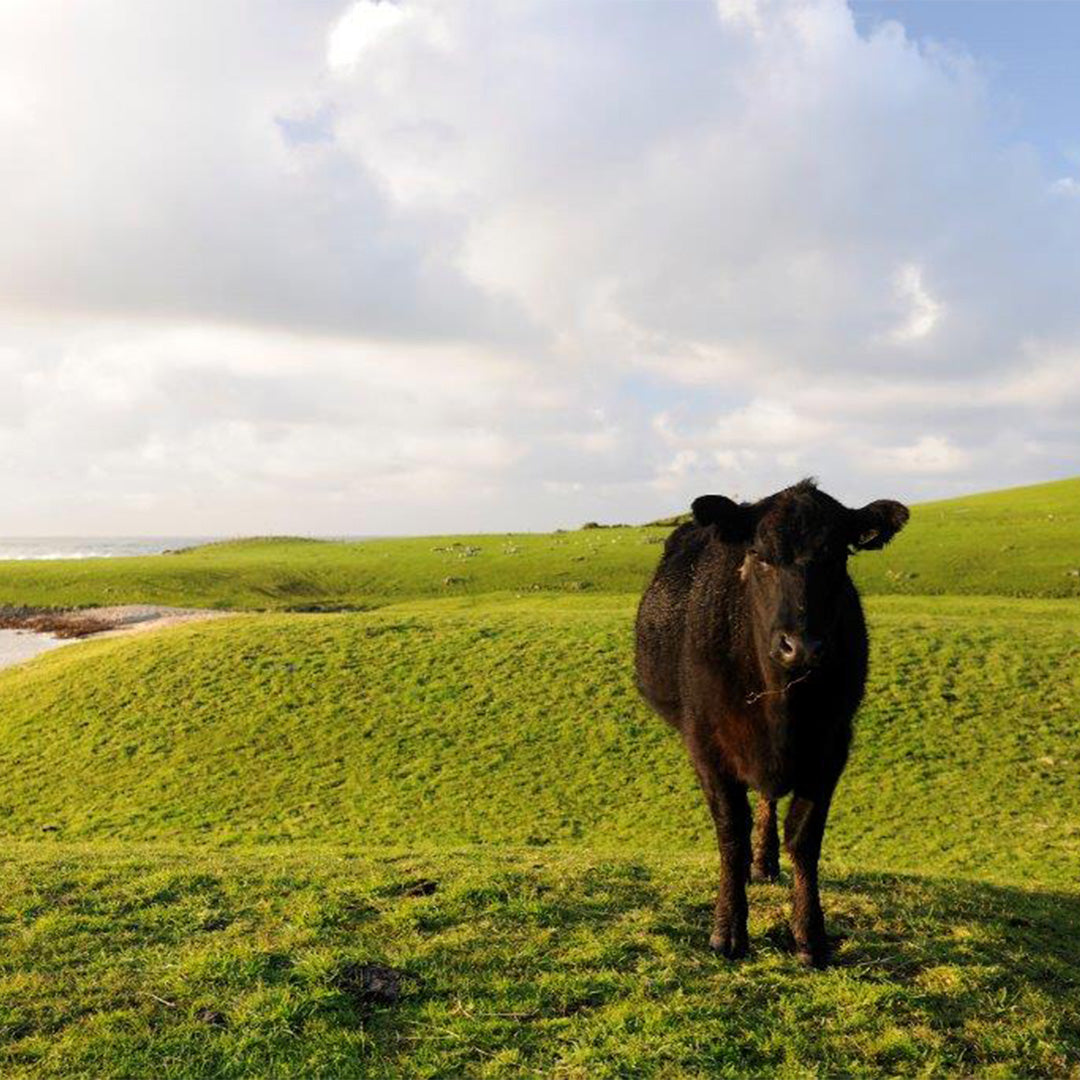
Well-managed rotational grazing systems (the gold standard for certified grass-fed beef) deliver real environmental benefits: cattle graze on pasture in a way that mimics natural herd movement, sequestering carbon in soil, reducing erosion, supporting native plant and insect biodiversity, and eliminating the need for synthetic feed inputs. In practice, these systems can store up to 3 tons of carbon per acre per year, offsetting a portion of cattle-related greenhouse gas emissions.
That said, poorly managed grass-fed operations can lead to overgrazing, soil degradation, and higher land use per pound of beef than conventional feedlot systems, so third-party certification is critical to ensuring regenerative practices are followed. For animal welfare, top grass-fed certifications require no confinement, year-round pasture access, and no routine antibiotics or hormones, often exceeding basic organic welfare standards.
Organic Beef's Chemical and Soil Footprint
Organic farming eliminates synthetic pesticides and fertilizers, reducing agricultural runoff into waterways and supporting healthy soil microbiomes that improve long-term soil fertility. For animal welfare, USDA organic rules mandate pasture access for cattle, but do not restrict grain finishing, so welfare outcomes vary widely by farm.
The key trade-off for organic beef is lower yield: organic systems produce 15–20% less beef per acre than conventional feedlot systems, which can require more land to produce the same amount of beef. If that extra land is converted from natural ecosystems like forests or grasslands, it can offset some of the chemical use benefits.
Taste, Texture, and Pro Cooking Tips
The nutritional and environmental differences are often secondary to taste for home cooks, and the two beef types perform very differently in the kitchen due to their fat content.
Flavor and Texture Differences
- Certified grass-fed beef: Its lean, low-marbling texture gives it a firm bite and a distinct, earthy, "beefy" flavor from the forage diet. It can taste slightly gamey to people accustomed to grain-finished beef.
- USDA organic (grain-finished) beef: The grain diet adds intramuscular fat (marbling), making it more tender, juicy, and mild, with a buttery flavor familiar to most conventional beef eaters.
Best Cooking Methods for Each Type
In practice, a common mistake when cooking grass-fed beef is treating it like grain-finished beef: its low fat content means it cooks 15–20% faster and dries out quickly if cooked past medium doneness. Use this quick reference to avoid tough, overcooked results:
| Beef Type | Ideal Cooking Methods | Doneness Recommendation | Pro Tip |
|---|---|---|---|
| Certified Grass-Fed | High-heat searing, grilling, stir-frying | Medium-rare to medium | Let it rest 5 minutes after cooking to retain juices |
| USDA Organic (Grain-Finished) | Roasting, braising, slow cooking, grilling | Medium to medium-well | Marbling makes it forgiving of higher heat and longer cook times |
Price, Availability, and Smart Label Reading
As of 2026, price gaps between the two options have narrowed slightly as demand for both has grown, but they still carry a premium over conventional grain-finished beef:
- Certified grass-fed beef: $8–$14 per pound for ground, $12–$20 for steaks, widely available at major grocery stores, farmers markets, and direct from local ranchers.
- USDA organic beef: $9–$16 per pound for ground, $14–$24 for steaks, available at most major grocery stores and specialty butcher shops.
- Premium "grass-fed organic" beef (meets both standards): $12–$20 per pound for ground, $18–$30 for steaks, due to dual certification and higher production costs.
How to Avoid Greenwashing
- For grass-fed: Only trust third-party certification seals (AGA, USDA Process Verified Grass-Fed) — unregulated "grass-fed" or "grass finished" labels may still include grain or feedlot confinement.
- For organic: Look only for the official USDA organic seal, the only federally regulated guarantee of organic standards.
- Buy direct from local ranchers to cut out retailer markups and get full transparency into farming practices.
How to Choose the Right Option for You
There is no universal "best" choice between grass-fed and organic beef — the right pick depends entirely on your top priorities:
- Choose certified grass-fed if you want higher omega-3 intake, a robust, earthy flavor, and support for regenerative grazing practices that build soil health.
- Choose USDA organic if you prioritize no synthetic pesticides/fertilizers, strict regulatory oversight of farming practices, and don’t mind grain-finished beef.
- Choose grass-fed organic if you want the benefits of both standards, and are willing to pay the premium price.
For most people eating beef in moderation, the nutritional difference between the two is minimal, so prioritize your values and budget over marketing hype. Not sure where to start? Look for the USDA organic seal or American Grassfed Association logo on your next grocery trip to verify claims on the label.
Frequently Asked Questions
What is the actual difference between grass-fed and organic beef?
Grass-fed refers to a cattle’s diet: certified grass-fed cattle eat only grass and forage their entire lives, with no grain finishing. Organic refers to farming practices: USDA organic beef comes from cattle raised without synthetic pesticides, fertilizers, growth hormones, or routine antibiotics, with mandatory pasture access. The two standards overlap (you can have grass-fed organic beef) but are not interchangeable: organic beef can be grain-finished, and basic grass-fed labels may not meet organic’s strict chemical and welfare rules.
Is grass-fed beef healthier than conventional beef?
Certified grass-fed beef has modest nutritional benefits over conventional grain-finished beef: it is leaner, with 2–5x more omega-3 fatty acids and higher levels of vitamin E and beta-carotene. However, both are excellent sources of complete protein, iron, and zinc, and the health difference is small for people who eat beef in moderation. Grass-fed beef is still a red meat, and overconsumption is linked to increased chronic disease risk per USDA dietary guidelines.
Is organic beef more expensive than grass-fed?
On average, yes: USDA organic beef typically costs $1–$2 more per pound than certified grass-fed beef, due to higher certification costs, lower production yields, and stricter feed requirements. However, prices vary widely by region, retailer, and cut, and direct-to-consumer sales from local ranchers often narrow the price gap for both options.
Does grass-fed beef taste different from organic beef?
Yes, most people notice a distinct difference: grass-fed beef has a leaner, firmer texture and a robust, earthy, slightly gamey flavor from the forage diet. Organic grain-finished beef has more marbling, so it is more tender, juicy, and has a milder, buttery flavor that is closer to conventional beef. Preference is subjective, so many cooks recommend trying small cuts of both before buying in bulk.
Final Verdict: No Single "Best" Choice, Only the Right Choice for You
The debate between grass-fed and organic beef often centers on marketing hype that overstates minor nutritional differences. In reality, both options offer high-quality, ethically raised beef with distinct trade-offs depending on your priorities. Certified grass-fed beef shines if you prioritize higher omega-3 intake, regenerative land practices, and a bold, beefy flavor, while USDA organic beef is the better pick if you want strict regulatory oversight of chemical use and are comfortable with grain-finished beef. For consumers who want the full package, grass-fed organic beef meets both sets of standards, though it comes with a higher price tag. No matter which you choose, look for trusted certification seals to avoid greenwashing, prioritize local ranchers when possible, and enjoy beef in moderation as part of a balanced diet.
 Grass-fed beef (left) has leaner, darker muscle fibers, while organic grain-finished beef (right) has more visible marbling
Credit: grassrunfarms.com
Grass-fed beef (left) has leaner, darker muscle fibers, while organic grain-finished beef (right) has more visible marbling
Credit: grassrunfarms.com
 This infographic breaks down key differences in farming practices, certification requirements, and nutritional profiles for both beef types
Credit: www.eatpre.com
This infographic breaks down key differences in farming practices, certification requirements, and nutritional profiles for both beef types
Credit: www.eatpre.com
Sustainable Land Management: Extending Your Values Beyond the Grocery Store
Choosing certified grass-fed or organic beef is just one part of supporting sustainable food systems; the land management practices used to raise these cattle often mirror the eco-friendly lawn care routines many homeowners already use to maintain their own green spaces. For ranchers raising grass-fed beef on pasture, maintaining dense, nutrient-rich forage requires regular soil leveling to eliminate compaction and water pooling, a practice that uses the same principles as residential lawn care with tools like a heavy-duty lawn leveling tool to ensure even root growth and nutrient absorption. Similarly, spreading organic compost or peat moss to boost soil fertility on grazing land follows the same process as amending a home lawn, often using a peat moss compost spreader to distribute amendments evenly without damaging existing grass.
For organic beef producers growing non-GMO feed crops, precise seeding and fertilizing is critical to meeting certification standards, a process that relies on the same broadcast spreader technology many homeowners use for lawn seeding, such as a John Deere push broadcast spreader to distribute cover crops and organic fertilizer across large fields. Many small-scale ranchers also manage their own pasture and hay fields with commercial-grade equipment like a Vevor walk-behind spreader to handle large areas efficiently, cutting down on fuel use and labor while maintaining pasture health. Ranchers managing grass-fed cattle on hilly grazing land often use rear-wheel drive mowers to maintain pasture height without slipping, a feature many homeowners with sloped yards also prioritize for their own lawn care routines.
Well-managed rotational grazing systems used for certified grass-fed beef can sequester up to 3 tons of carbon per acre per year, per USDA Agricultural Research Service findings — a practice that mirrors the carbon sequestration benefits of healthy, well-maintained home turfgrass. USDA organic certification is enforced by the National Organic Program, with mandatory annual inspections to ensure compliance with federal organic regulations, giving consumers a federally backed guarantee of farming practices that avoid synthetic pesticides and fertilizers.
If you’re looking to align your food choices with your home sustainability practices, start by prioritizing certified grass-fed or organic beef from local ranchers who use regenerative land management techniques, and apply the same soil health principles to your own lawn to reduce your household’s environmental footprint. For step-by-step guidance on building a low-impact, healthy home lawn, check out our guide to selecting the right spreader for organic soil amendments to match your land care goals to your beef purchasing values.