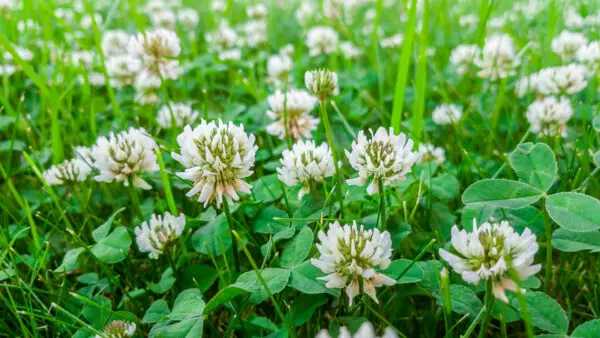
If you’re looking to get rid of clover in your yard naturally, there are several effective methods you can try. One quick solution is to regularly mow your lawn to keep the clover from flowering and spreading. Additionally, you can improve the health of your lawn by aerating the soil and fertilizing it, which helps grass to outcompete clover for nutrients. Another option is to apply a simple vinegar solution directly onto the clover patches, which can kill the plants without harming the surrounding grass.
Clover may seem like a persistent weed, but with a bit of effort, it can be managed naturally. Many homeowners struggle with the vibrant green clover that often invades their lawns, but before reaching for harsh chemicals, consider nature-friendly solutions that not only tackle the clover but also contribute to a healthier lawn. Embracing natural methods not only benefits the environment but also promotes biodiversity in your yard. Whether you choose to mow, aerate, or use homemade remedies, getting rid of clover doesn’t have to mean sacrificing your commitment to eco-friendly practices. Let’s explore some effective strategies to restore the balance in your garden!

Get Rid Of Clover Naturally
Clover can be a delightful addition to gardens and lawns, but it can also become an unwanted guest. If you’re looking to get rid of clover naturally, you have several effective methods at your disposal. This article will explore various techniques that are both safe for your yard and the environment.
Understanding Clover
Clover is a hardy plant that grows quickly. It often pops up in lawns, gardens, and fields. There are several types of clover, including white clover and red clover. While some people appreciate its benefits, like nitrogen fixation in soil, others may find it invasive.
- White Clover: This is the most common type found in lawns.
- Red Clover: Often used for cover crops and forage.
- Yellow Clover: Less common but still prevalent in some areas.
Understanding the type of clover you are dealing with can help you choose the best removal method.
Why Remove Clover?
Clover might be beneficial for some gardeners, but there are reasons you may want to remove it.
- It can overshadow and outcompete other plants.
- Clover attracts bees, which some might want to avoid.
- It can create a dense mat that hinders grass growth.
Identifying your reasons for wanting to remove clover can help you stick to your plan.
Natural Methods to Get Rid Of Clover
There are several natural methods for controlling clover. Here are some effective strategies:
1. Manual Removal
One of the simplest ways to eliminate clover is to pull it out by hand. Make sure to remove the roots, as they can regrow if left behind.
- Ensure the soil is moist to make pulling easier.
- Use gloves to protect your hands from dirt and sharp roots.
- Consider using a weeding tool for deeper roots.
Manual removal is labor-intensive but can be effective for small infestations.
2. Boiling Water
Another natural method involves using boiling water. This method works well for clover growing in cracks or small areas.
- Boil water in a kettle or pot.
- Carefully pour the boiling water directly onto the clover.
- This method quickens the death of the plant, as it damages the cells.
Be cautious with this method, as boiling water can harm surrounding plants.
3. Vinegar Solution
Vinegar is another effective natural herbicide. Its high acidity can kill clover and other weeds.
- Mix equal parts vinegar and water in a spray bottle.
- Spray directly onto the clover on a sunny day for best results.
- Reapply as necessary, especially after rainfall.
Using vinegar is a straightforward solution that many homeowners can implement.
4. Saltwater Solution
Salt can also help kill clover, but use with care to avoid harming other plants.
- Dissolve salt in water at a ratio of 3:1.
- Apply the solution to clover directly with a spray bottle.
- Monitor the surrounding plants to prevent damage.
Remember that salt can affect soil health, so minimize its use.
5. Corn Gluten Meal
Corn gluten meal is a natural pre-emergent herbicide that can help prevent clover seeds from germinating.
- Spread corn gluten meal on your lawn in early spring.
- This will prevent clover seedlings from taking root.
- Reapply every four to six weeks for best results.
This method not only helps manage clover but also nourishes your lawn.
6. Mulching
Applying mulch is an effective way to suppress clover and other weeds.
- Use organic mulch like wood chips or bark.
- Spread a layer of mulch around plants and in garden beds.
- This blocks sunlight and prevents clover from growing.
Mulching also helps maintain soil moisture.
Maintaining a Healthy Lawn
Preventing clover from returning involves maintaining a healthy lawn. Here are some practices you can adopt:
- Regularly mow your lawn to keep grass at an optimal height.
- Ensure your lawn receives sufficient water, especially during dry spells.
- Fertilize your lawn to boost grass growth and outcompete clover.
A healthy lawn is less likely to allow clover to take over.
Competing Plants
Planting certain types of grass can help crowd out clover. Consider these options:
- Bermudagrass: Thrives in sunny areas and grows densely.
- Kentucky bluegrass: Offers a lush, thick lawn that can outcompete clover.
- Perennial ryegrass: Quick to establish and fills in bare spots.
Choosing the right grass types can help prevent future clover infestations.
How to Monitor Clover Growth
Keep an eye on your lawn and garden to catch clover before it spreads too much.
- Check for new clover growth regularly.
- Identify areas where clover seems to thrive and address them quickly.
- Consider keeping a garden journal to track problem areas over time.
Monitoring can make early intervention easier and more effective.
Benefits of Clover
While you may want to remove clover, it’s worth noting that it offers some benefits.
- Clover attracts beneficial insects like pollinators.
- It can improve soil fertility by fixing nitrogen.
- Clover can provide a natural ground cover that protects soil.
Understanding both sides can help you decide if removal is necessary.
Combining Methods for Best Results
For the most effective control, consider combining multiple methods.
- Start with manual removal for small patches.
- Follow up with vinegar or boiling water for stubborn areas.
- Use corn gluten meal to prevent future growth.
Combining methods can offer a more comprehensive solution.
Long-Term Solutions
If you want long-term success in controlling clover, consider these steps:
- Conduct regular soil testing to identify nutrient needs.
- Implement a routine lawn care schedule that includes mowing, watering, and fertilizing.
- Stay vigilant in monitoring for new clover growth throughout the year.
Long-term care ensures your lawn stays healthy and vibrant.
When it comes to getting rid of clover naturally, there are many strategies available. From manual removal to using natural solutions like vinegar and corn gluten meal, you can effectively manage clover without harming your environment. Maintaining a healthy lawn through regular care and monitoring can also help prevent future infestations.
By adopting these practices, you’ll foster a beautiful garden or lawn that suits your preferences while keeping those pesky clovers at bay. Enjoy your gardening journey, and remember that a little effort goes a long way in maintaining a healthy outdoor space.
How to KILL CLOVER in your LAWN
Frequently Asked Questions
“`html
What natural methods can effectively control clover growth in my lawn?
To manage clover naturally, consider using a combination of practices such as regular mowing to prevent flowering, applying corn gluten meal as a pre-emergent herbicide, and improving lawn health through proper fertilization and aeration. Overseeding with grass varieties that thrive in your soil type can also outcompete clover.
How does the presence of clover benefit my garden or lawn?
Clover acts as a natural nitrogen fixer, enriching the soil and promoting overall lawn health. It can also attract pollinators and beneficial insects, enhancing biodiversity. Additionally, clover can provide a green cover that helps prevent soil erosion.
Are there any homemade solutions to remove clover from my garden?
Yes, you can create a homemade clover killer by mixing vinegar with salt and dish soap. Spray this mixture directly onto the clover and avoid contact with desirable plants. Always test a small area first to make sure it does not harm your garden.
What cultural practices can help prevent clover from taking over?
Maintain a healthy lawn by mowing at the recommended height for your grass type, watering deeply but infrequently, and fertilizing appropriately based on soil tests. These practices encourage grass growth over clover, making it less likely to dominate the landscape.
Is it safe to use boiling water to eliminate clover?
Boiling water is an effective and natural method to kill clover. Pour it directly onto the clover patches, ensuring it does not reach your desired plants. This method works well on small areas but may not be practical for larger infestations.
“`
Final Thoughts
To effectively get rid of clover naturally, start by improving your lawn’s health. Regular mowing and aeration can help create an environment where clover struggles to thrive.
Additionally, maintaining proper soil pH and nutrient levels will enhance grass growth, making it more competitive against clover.
Using natural herbicides, such as vinegar or salt, can also help manage clover without harming the surrounding plants. By employing these methods, you can successfully get rid of clover naturally while promoting a healthier lawn.