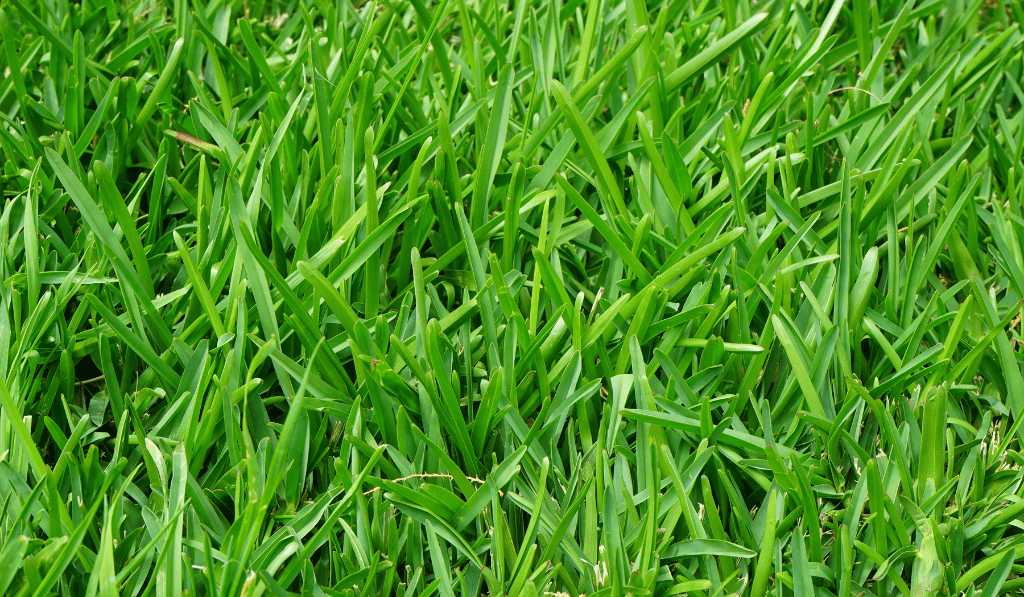
Looking for a lush, green lawn that can withstand dry spells without constant watering? Drought-tolerant Bermuda grass is your perfect solution. This hardy grass variety thrives in hot, arid climates and requires less water, making it ideal for sustainable lawn care. It’s resilient, low-maintenance, and keeps your yard vibrant even during drought conditions. Whether you’re aiming to conserve water or simply want a lawn that stays healthy with minimal effort, drought-tolerant Bermuda grass is a smart choice. In this article, we’ll explore what makes this grass so drought-resistant, how to care for it, and tips to ensure a beautiful, sustainable lawn all year round.
Drought-tolerant Bermuda grass is specially bred to survive in dry environments by requiring less water and maintaining its green appearance longer during droughts. Proper planning and maintenance can help you establish a resilient and eco-friendly lawn that saves water and reduces your gardening efforts.

Drought Tolerant Bermuda Grass: A Perfect Choice for Water-Conscious Lawns
Drought tolerant bermuda grass is a popular choice for homeowners and landscapers who want a lush, green lawn that doesn’t need a lot of water. This grass type can survive and stay healthy even during dry periods, making it ideal for regions with limited rainfall. Understanding the features and benefits of drought tolerant bermuda grass can help you make the best decision for your yard.
What Makes Bermuda Grass Drought Tolerant?
One reason bermuda grass is so resilient is because of its deep root system. Its roots can grow more than two feet into the soil, accessing water that is unavailable to other grasses. This allows bermuda grass to endure extended dry spells without turning brown or dying back.
Additionally, bermuda grass has a high tolerance for heat and sunlight. It thrives in warm climates and can handle direct sun exposure for most of the day. This adaptability makes it an excellent choice for areas with hot temperatures and scarce rainfall.
Why Choose Drought Tolerant Bermuda Grass?
If you want a lawn that looks good while conserving water, drought tolerant bermuda grass is a smart choice. It reduces your water bills and minimizes the need for frequent irrigation. Plus, it maintains a vibrant color and dense texture even during droughts, adding beauty to your outdoor space.
Its low-maintenance nature also means less mowing, fertilizing, and weed control, making it easier to care for. This type of bermuda grass can also recover quickly from drought stress once watering resumes, keeping your lawn looking fresh and healthy.
Types of Drought Tolerant Bermuda Grass
Common Varieties
- Celebration Bermuda: Known for its fine texture and dark green color, it offers excellent drought resistance and durability.
- TifTuf Bermuda: One of the most drought tolerant varieties, it stays green with minimal water and is resistant to heat and wear.
- GeoTifTuf Bermuda: An improved drought-resistant version of TifTuf, it performs well in stressed conditions and has a fine leaf texture.
Choosing the Right Variety
Consider your climate, soil type, and lawn usage when selecting a bermuda grass variety. TifTuf, for example, is suited for areas with extreme drought, while Celebration might be better for high-traffic zones.
Planting and Establishment Tips
Optimal Timing
Late spring or early summer is the best time to plant bermuda grass in warm climates. This allows the grass to establish roots before the hottest and driest part of the year.
Soil Preparation
- Ensure well-draining soil to prevent waterlogging.
- Test and amend soil pH to between 5.8 and 7.0 for optimal growth.
- Loosen compacted soil and incorporate organic matter for better root development.
Planting Methods
- Sod: Offers immediate coverage but requires proper watering to establish roots.
- Seed: Cost-effective but takes longer to establish; requires consistent watering.
- Plugs or Sprigs: Provide a balance between seed and sod; easy to transplant and establish faster than seed alone.
Watering Practices for Drought Tolerance
Initial Watering
After planting, keep the soil consistently moist to promote root growth. Water lightly but frequently until the grass is established.
Maintenance Watering
Once established, bermuda grass with drought tolerance needs about 1 to 1.5 inches of water weekly. Deep, infrequent watering encourages deeper roots that access water during dry periods.
Water Conservation Tips
- Water early in the morning to minimize evaporation.
- Use efficient sprinkler systems with timers.
- Monitor weather conditions to avoid unnecessary watering after rain.
Fertilization and Lawn Care
Fertilizer Needs
Use a balanced fertilizer with nitrogen to promote healthy growth. Apply in spring and summer, following recommended rates for bermuda grass.
Mowing Guidelines
- Mow at heights between 1.5 to 2 inches for optimal health.
- Regular mowing keeps your lawn tidy and encourages dense growth.
- Never cut more than one-third of the grass height at a time.
Weed and Pest Control
Maintain a healthy, dense lawn to naturally suppress weeds. Use targeted pest control only if necessary, and follow integrated pest management practices.
Dealing with Common Challenges
Heat Stress
During extreme heat, bermuda grass may turn brown. This is normal and temporary. Reduce mowing height and water less frequently but more deeply to help it recover.
Thatch Buildup
Excessive thatch can prevent water and nutrients from reaching roots. Dethatch as needed in early spring or fall for better lawn health.
Overwatering Risks
Too much water can lead to shallow roots and disease. Stick to the recommended watering schedule and ensure proper drainage.
Additional Tips for a Drought-Resilient Lawn
- Replace bare or weak areas with new sod or plugs to maintain a dense, healthy lawn.
- Use mulch around plants to conserve soil moisture and reduce evaporation.
- Limit foot traffic during droughts to avoid stressing the grass.
Related Topics for Water-Wise Landscaping
- xeriscaping: Designing landscapes that reduce or eliminate the need for irrigation
- Native plants: Choosing drought-tolerant natives that thrive with less water
- Efficient irrigation systems: Drip and soaker hoses to target water where it’s needed most
Implementing drought tolerant bermuda grass can significantly cut water usage while keeping your lawn vibrant and healthy. Proper selection, planting, watering, and maintenance practices make a simple switch to more sustainable landscaping. With these tips, you can enjoy a beautiful yard that conserves water and withstands dry conditions effectively.
Drought Tolerant Grass – TIFTUF Bermudagrass – Turfgrass Drought Tolerance Just Got a New Standard
Frequently Asked Questions
What is the best way to establish drought-tolerant Bermuda grass in a new lawn?
To establish drought-tolerant Bermuda grass effectively, prepare the soil by removing weeds and loosening the topsoil. Spread the grass seed evenly across the area, ensuring good seed-to-soil contact. Water the area lightly but frequently until the grass begins to grow, then gradually reduce watering to encourage deep root development. Maintaining proper mowing height and fertilization will help the grass adapt and thrive in dry conditions.
How can I reduce water usage while keeping my Bermuda grass healthy?
Implement watering strategies that promote deep root growth, such as watering deeply once or twice a week instead of frequent shallow watering. Use a rain gauge or soil moisture sensor to avoid overwatering. Planting bermuda grass in the early morning reduces evaporation. Incorporate organic mulch around the grass to retain soil moisture. Adjust your lawn care practices seasonally to match drought conditions and minimize water waste.
What are common challenges when maintaining drought-tolerant Bermuda grass?
One common challenge is pest and disease control, which can weaken the grass during dry periods. Inadequate watering or poor soil conditions may hinder drought tolerance, causing the grass to turn brown or thin out. Additionally, improper mowing height or fertilization can stress the turf. Regular monitoring, proper lawn care, and timely intervention help address these issues effectively, ensuring the grass remains resilient during drought conditions.
Can I overseed my existing Bermuda grass lawn to improve drought resistance?
Yes, overseeding can enhance the drought resistance of your Bermuda grass lawn by filling in bare or thin areas with more drought-tolerant varieties. Choose a compatible Bermuda grass seed suited for drought conditions and prepare the soil by aerating and removing debris. Sow the seed evenly, then water lightly to help it establish. Regular maintenance, including proper fertilization and mowing, will support the growth of a more resilient lawn.
What soil types are ideal for drought-tolerant Bermuda grass?
Bermuda grass thrives best in well-draining soils, such as sandy or loamy soils, which prevent water from pooling and promote deep root growth. It adapts well to soils with moderate fertility but benefits from added organic matter to improve moisture retention and nutrient availability. Conduct a soil test before planting to amend deficiencies and create optimal conditions for drought resilience.
Final Thoughts
Drought tolerant bermuda grass offers an excellent solution for maintaining a lush lawn with minimal water. Its resilience and low maintenance needs make it ideal for drought-prone areas. By choosing this grass type, homeowners can save water and reduce lawn care efforts. Ultimately, drought tolerant bermuda grass provides a sustainable and attractive yard option for the long term.